
 EN



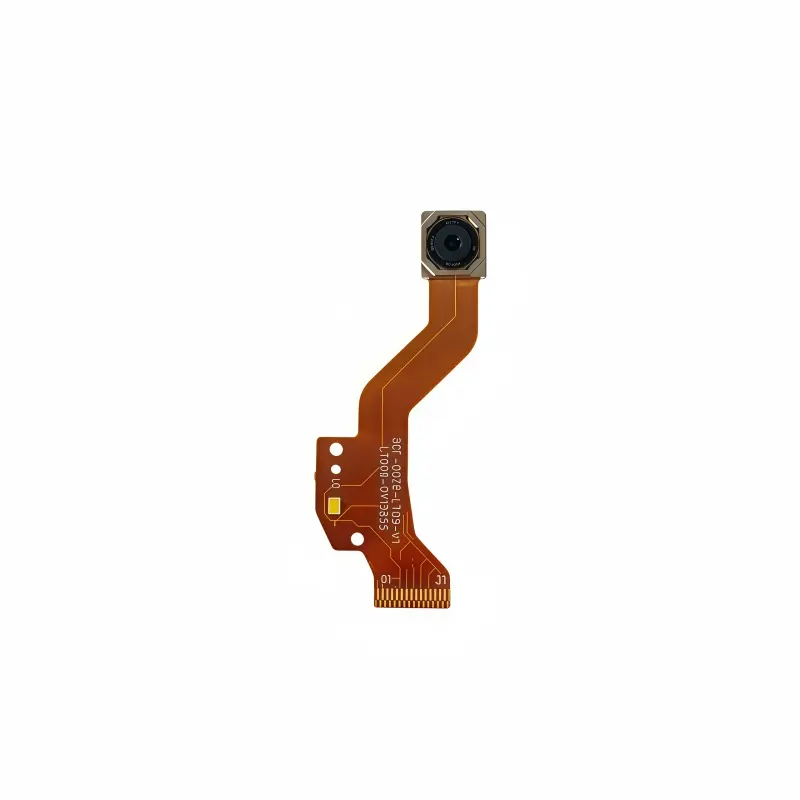
Face recognition cameras and ordinary cameras serve fundamentally different purposes in modern security and surveillance systems. While ordinary cameras simply capture video footage for later review, face recognition cameras actively identify and analyze individuals in real time. Understanding the core differences between face recognition cameras and ordinary cameras is essential for businesses evaluating security solutions, retail analytics platforms, and access control systems. The technology, accuracy levels, processing capability, and use cases differ significantly, making it crucial to select the right solution for your specific operational needs.
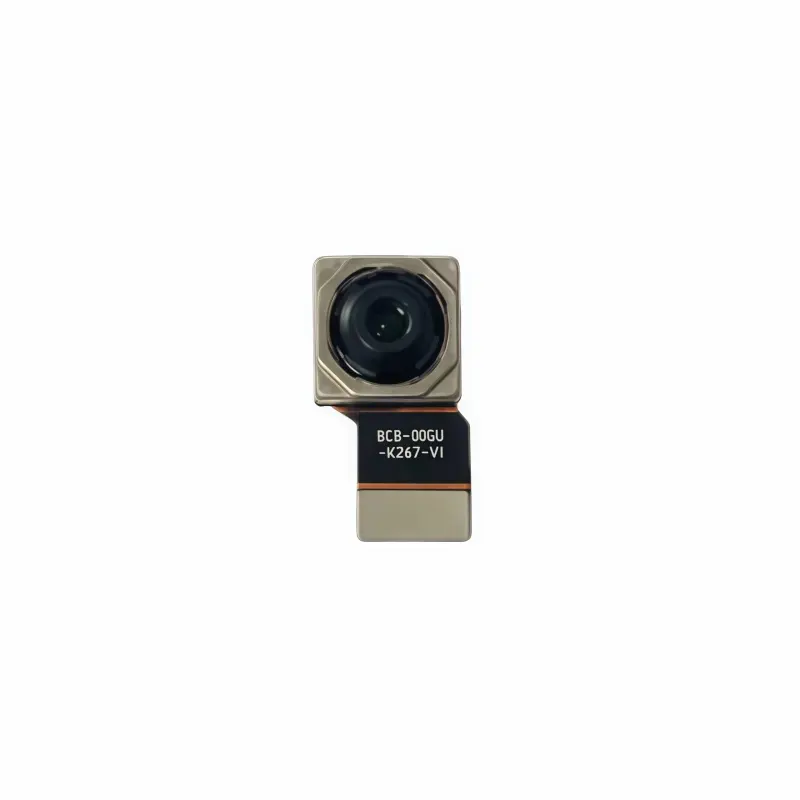
The distinction between face recognition cameras and ordinary cameras extends far beyond hardware specifications. Face recognition cameras incorporate sophisticated artificial intelligence algorithms that process visual data instantly, while ordinary cameras function as passive recording devices. This fundamental difference shapes deployment strategy, data handling, privacy considerations, and overall return on investment for security infrastructure.
Core Technology Architecture
Processing Capability and Real-Time Analysis
Ordinary cameras capture and store video data without onboard intelligence. They rely on external systems for any analysis, meaning video review happens after events occur. Face recognition cameras, by contrast, integrate advanced AI processors directly into the device. This embedded processing allows face recognition cameras to analyze biometric data instantly, identify individuals against watchlists, and trigger alerts in real time. The computational power required for face recognition cameras far exceeds that of ordinary cameras, as facial analysis demands continuous pattern matching against large databases. For security teams needing immediate threat response, face recognition cameras deliver advantages that ordinary cameras simply cannot provide.
Sensor and Optical Specifications
Both face recognition cameras and ordinary cameras use image sensors, but their optical requirements differ substantially. Face recognition cameras must capture sufficient facial detail across varying distances, lighting conditions, and angles. This demands higher resolution sensors, advanced autofocus systems, and specialized lighting compensation. Ordinary cameras prioritize overall scene capture and may operate effectively at lower resolutions. Face recognition cameras typically feature enhanced infrared capabilities, dynamic range optimization, and thermal compensation to maintain facial detail recognition regardless of environmental challenges. These optical enhancements make face recognition cameras more sophisticated and expensive than standard ordinary cameras.
Accuracy and Identification Performance
Matching Algorithms and Confidence Levels
Face recognition cameras employ neural network algorithms that map facial features into mathematical representations. These algorithms measure facial geometry, texture patterns, and distinctive markers to create biometric signatures. When comparing against watchlists or databases, face recognition cameras assign confidence scores indicating match probability. Ordinary cameras produce only raw video footage, requiring manual human review for identification. Face recognition cameras achieve accuracy rates exceeding ninety-five percent under optimal conditions, though performance varies with environmental factors. The algorithmic sophistication embedded in face recognition cameras enables identification speeds measured in milliseconds, while ordinary camera footage analysis requires hours or days of human labor.
Environmental Performance Factors
Face recognition cameras must maintain accuracy despite challenging conditions like poor lighting, occlusions, head angles, and aging. Modern face recognition cameras employ liveness detection to prevent spoofing attempts using photographs or videos. They adapt to changing seasons, aging, facial hair variations, and eyewear changes. Ordinary cameras merely record these conditions without interpreting them. Face recognition cameras designed for outdoor deployment include weather-resistant housings, glare reduction optics, and temperature-compensated processing. The performance differential between face recognition cameras and ordinary cameras widens in adverse environments, where basic cameras struggle while purpose-built face recognition cameras maintain functionality.
Business Applications and Use Cases
Security and Access Control Deployment
Face recognition cameras enable rapid identification of unauthorized personnel, lost individuals, or known threats. Security teams deploying face recognition cameras can implement automatic gate controls, alert systems, and incident logging without manual intervention. Ordinary cameras in access control scenarios require security staff to continuously monitor footage and manually verify identities. Face recognition cameras integrate directly with badge systems, access logs, and emergency protocols. Organizations prioritizing rapid threat detection choose face recognition cameras for perimeter monitoring, facility entry points, and high-security zones. The operational efficiency gained through face recognition cameras translates to reduced labor costs and faster response times during security incidents.
Retail Analytics and Customer Insights
Retailers increasingly deploy face recognition cameras for customer traffic analysis, repeat visitor identification, and theft prevention. Face recognition cameras track customer journey patterns, dwell times at product displays, and conversion funnel behavior. Ordinary cameras provide footage but require manual review to extract these insights. Face recognition cameras generate automated analytics reporting customer demographics, peak traffic periods, and individual shopper patterns. These capabilities help retailers optimize floor layouts, staffing schedules, and marketing strategies. Face recognition cameras also identify repeat shoplifters and enable rapid staff alerts, preventing losses that ordinary cameras cannot address. The competitive advantage from face recognition cameras makes them attractive for high-value retail environments.
Privacy, Data Handling, and Regulatory Considerations
Data Storage and Processing Requirements
Ordinary cameras generate massive amounts of raw video data requiring expensive storage infrastructure. A single ordinary camera produces gigabytes daily, necessitating extended storage facilities. Face recognition cameras generate far less data because they store biometric templates and alerts rather than complete video. A face recognition cameras system processes data locally on the device, reducing network bandwidth and cloud storage costs. Face recognition cameras extract actionable intelligence immediately, retaining only relevant data. This efficiency differential makes face recognition cameras more practical for large-scale deployments. Organizations managing security across multiple locations find face recognition cameras significantly reduce total cost of ownership compared to ordinary cameras with centralized storage.
Regulatory Compliance and Privacy Laws
Face recognition cameras operate under increasingly stringent regulations in many jurisdictions. Organizations deploying face recognition cameras must comply with local privacy laws, consent requirements, and data protection standards. Ordinary cameras typically face fewer regulatory restrictions, though video retention policies still apply. Face recognition cameras require documented consent, transparent signage, and clear privacy policies. Many regions mandate that face recognition cameras only identify individuals on approved watchlists rather than creating comprehensive facial databases. Regulatory frameworks around face recognition cameras continue evolving, making legal compliance a moving target. Organizations selecting between face recognition cameras and ordinary cameras must evaluate local legal requirements before implementation.
FAQ
Can ordinary cameras perform facial recognition if paired with software?
Ordinary cameras can provide input to external recognition software, but this approach differs fundamentally from integrated face recognition cameras. The software would require streaming all video data to a processing system, consuming significant bandwidth and creating latency. Face recognition cameras embed processing onboard, enabling instant analysis and local decision making. Pairing ordinary cameras with recognition software results in higher operating costs, slower response times, and greater privacy exposure due to video streaming. Purpose-built face recognition cameras deliver superior performance and efficiency for identification workflows.
What level of accuracy should organizations expect from face recognition cameras?
Modern face recognition cameras achieve accuracy rates between ninety-two and ninety-eight percent under optimal conditions. Performance depends on image quality, facial angle, lighting, occlusions, and database size. Face recognition cameras perform best when individuals face the camera directly under good lighting, with confidence scores exceeding ninety-five percent. Real-world deployments experience slightly lower accuracy due to challenging angles, poor lighting, and aging. Organizations should expect face recognition cameras to require human verification for critical decisions like access grants or law enforcement actions. Testing face recognition cameras in your specific environment before full deployment helps establish realistic accuracy expectations.
Are face recognition cameras more expensive than ordinary cameras?
Face recognition cameras typically cost significantly more than basic ordinary cameras, with prices reflecting embedded AI processors and specialized optics. However, the total cost of ownership for face recognition cameras often proves lower than ordinary cameras when factoring in labor savings, storage reduction, and faster incident response. Organizations requiring extensive human review of ordinary camera footage find face recognition cameras justify the higher initial investment through operational efficiencies. The cost differential narrows when comparing face recognition cameras against comprehensive security infrastructure including staff, storage, and software licenses associated with ordinary cameras.