
 EN



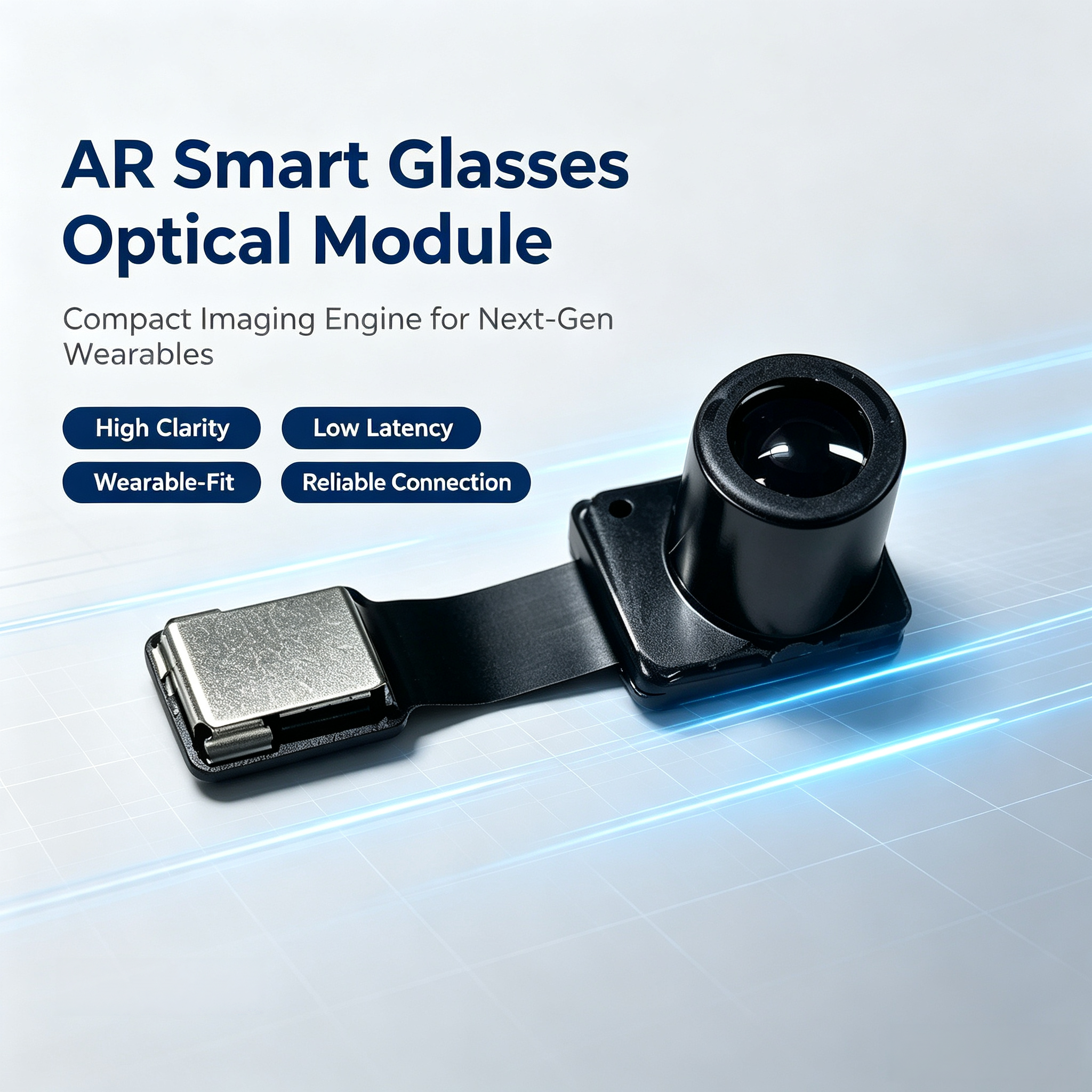
Mini Optical Engine Modules represent a transformative advancement in augmented reality wearable technology, enabling manufacturers to create sleeker, more comfortable AR glasses without sacrificing optical performance. These compact optical systems integrate advanced lens arrays, light projection mechanisms, and precision optics into a footprint small enough to fit seamlessly into the temple arms and frames of modern eyewear. Mini Optical Engine Modules are engineered to solve one of the most persistent challenges in AR hardware development: how to deliver high-quality digital imagery while maintaining the form factor and ergonomics that consumers expect from everyday glasses.
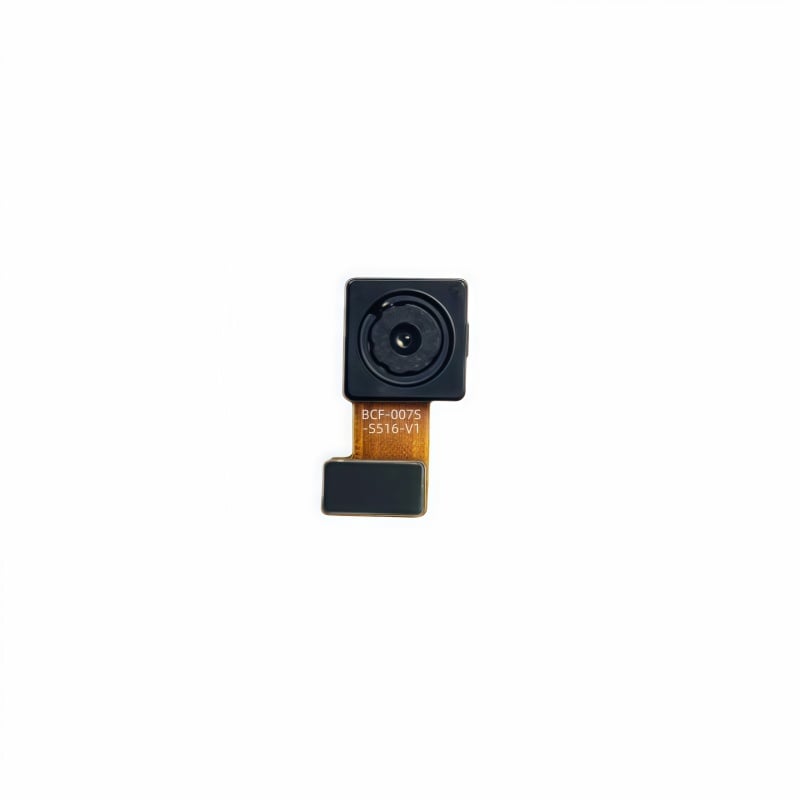
The design philosophy behind Mini Optical Engine Modules prioritizes miniaturization without compromise. By combining custom optics, semiconductor light sources, and precision mechanical mounting, these modules deliver the optical clarity, brightness, and field of view required for practical AR applications. Whether used in enterprise training systems, consumer entertainment platforms, or industrial guidance workflows, Mini Optical Engine Modules enable device manufacturers to build AR experiences that feel natural and unobtrusive.
Understanding Mini Optical Engine Modules Architecture
Core Components of Mini Optical Engine Modules
Mini Optical Engine Modules consist of several tightly integrated subsystems working in concert. The light source—typically a high-brightness LED or laser diode—generates the illumination needed for the projected image. Mini Optical Engine Modules route this light through a precision optical pathway using microdisplays, diffractive optics, or reflective surfaces that bend and shape the light into a clear, focused image. The waveguide or freeform optics then deliver this image directly to the user's eye at the correct angle and focal distance.
Thermal management is a critical design element within Mini Optical Engine Modules. Because these components operate in a confined space with limited airflow, advanced heat sinking, thermal interface materials, and sometimes active cooling ensure stable performance over extended wear periods. Mini Optical Engine Modules also incorporate precision alignment mechanisms that hold optical elements in fixed positions, preventing drift that could degrade image quality over the device lifecycle.
Optical Path Efficiency in Mini Optical Engine Modules
The optical efficiency of Mini Optical Engine Modules directly impacts battery life and thermal output. Modern Mini Optical Engine Modules use high-efficiency diffractive surfaces and anti-reflective coatings to maximize the light reaching the user's eye while minimizing wasted illumination and heat generation. This efficiency translates to longer battery runtime and cooler device operation—critical factors for all-day wearable comfort.
Design Benefits and Real-World Performance of Mini Optical Engine Modules
Slim Form Factor Enablement
Mini Optical Engine Modules unlock the slim-form-factor revolution in AR glasses. Traditional AR prototypes often featured chunky side arms or bulky front modules; Mini Optical Engine Modules fit into standard eyeglass geometries. This reduced size means AR glasses can now resemble conventional prescription or sunglasses in appearance, dramatically improving consumer adoption potential and reducing social friction in everyday wear scenarios.
The compact nature of Mini Optical Engine Modules also simplifies weight distribution. By housing the optical engine in a miniaturized form, the center of mass remains closer to the wearer's head, reducing neck strain and discomfort over extended use. Mini Optical Engine Modules enable balanced, ergonomic designs that users can wear for eight hours or more without fatigue.
Optical Quality and User Experience
Advanced Mini Optical Engine Modules deliver brightness levels of 1000+ nits, sufficient for outdoor use even in bright daylight. The field of view provided by modern Mini Optical Engine Modules ranges from 40 to 60 degrees, creating an immersive visual experience while maintaining a natural appearance. Mini Optical Engine Modules support high color accuracy and contrast, ensuring that text, data overlays, and 3D graphics render crisply and intuitively.
Resolution capabilities within Mini Optical Engine Modules have risen substantially. Premium Mini Optical Engine Modules now support 1080p or higher per eye, comparable to smartphone displays. This clarity allows users to read small text, review detailed maps, or inspect complex machinery through AR annotations without squinting or discomfort.
Industrial and Enterprise Applications of Mini Optical Engine Modules
Guided Service and Maintenance Workflows
Mini Optical Engine Modules power next-generation maintenance and service applications. Technicians wearing AR glasses equipped with Mini Optical Engine Modules can view step-by-step repair procedures, parts diagrams, and real-time sensor data overlaid directly on the equipment they are servicing. Mini Optical Engine Modules enable hands-free operation, allowing technicians to focus entirely on their task while receiving contextual guidance.
Medical professionals increasingly adopt AR solutions built around Mini Optical Engine Modules for surgical guidance, patient record visualization, and real-time imaging overlay during procedures. The reliability and optical clarity of Mini Optical Engine Modules make them ideal for high-stakes healthcare environments where precision and accuracy are non-negotiable.
Remote Collaboration and Knowledge Transfer
Mini Optical Engine Modules enable real-time remote collaboration. A field worker wearing AR glasses with Mini Optical Engine Modules can stream their perspective to remote experts, who then annotate the live scene with arrows, highlights, and instructions. Mini Optical Engine Modules support bidirectional communication workflows that compress training timelines and reduce costly travel for expert support.
Enterprise training programs leverage Mini Optical Engine Modules to create immersive, hands-on learning experiences. New employees can practice complex assembly tasks, safety procedures, or equipment operation while receiving instant visual feedback and correction, accelerating competency development.
Technical Specifications and Selection Criteria for Mini Optical Engine Modules
Key Performance Metrics
When evaluating Mini Optical Engine Modules for specific applications, organizations should assess brightness levels measured in nits, field of view in degrees, resolution capabilities, power consumption in watts, weight in grams, and thermal dissipation characteristics. Mini Optical Engine Modules also vary in latency—the delay between scene capture and image display—which matters for motion-intensive applications.
Compatibility with software platforms and display protocols is essential. Modern Mini Optical Engine Modules support standard display standards like HDMI or USB-C, simplifying integration with existing computing platforms. Color gamut coverage, measured in percentages against industry standards, indicates how faithfully Mini Optical Engine Modules reproduce on-screen colors.
Environmental and Durability Considerations
Rugged deployments demand Mini Optical Engine Modules rated for extended temperature ranges, vibration resistance, and impact survivability. Military and industrial Mini Optical Engine Modules undergo rigorous environmental testing to ensure reliable operation in harsh field conditions. Consumer-grade Mini Optical Engine Modules typically operate across 0–50°C, while enterprise-grade modules may support –20–70°C ranges.
Optical clarity preservation over device lifetime is another critical factor. Quality Mini Optical Engine Modules include protective lens coatings that resist scratching, fingerprints, and environmental contamination. Certification standards such as IP54 or IP67 ratings indicate dust and moisture resistance, important for field deployment scenarios.
Future Trends and Evolving Capabilities
Next-Generation Mini Optical Engine Modules
Research and development in Mini Optical Engine Modules continues pushing performance boundaries. Holographic optical elements and advanced waveguide technologies promise even slimmer profiles with wider fields of view. Mini Optical Engine Modules incorporating eye-tracking sensors enable gaze-based interaction, dynamic focus adjustment, and personalized content delivery.
Power efficiency remains a focal point. Emerging Mini Optical Engine Modules leverage microLED technology and advanced driver circuitry to reduce power draw, extending battery life to entire workdays on a single charge. Thermal management innovations allow Mini Optical Engine Modules to maintain performance in compact form factors without active cooling.
Integration with AI and Edge Computing
Future Mini Optical Engine Modules will increasingly integrate onboard AI processors and edge computing capabilities, enabling local image processing, real-time object recognition, and intelligent annotation without cloud dependency. Mini Optical Engine Modules paired with advanced semiconductors create self-contained AR systems capable of complex perception and decision-making tasks.
FAQ
What is the typical lifespan of Mini Optical Engine Modules?
Quality Mini Optical Engine Modules are engineered for 10,000+ hours of operation, equivalent to approximately five years of typical daily use. LED light sources within Mini Optical Engine Modules gradually dim over time, with manufacturers typically rating brightness retention at 80% after full lifespan. Mechanical alignment remains stable throughout this period when Mini Optical Engine Modules are properly assembled and housed.
Can Mini Optical Engine Modules support prescription vision correction?
Yes, many AR glasses incorporating Mini Optical Engine Modules support prescription lens integration. Manufacturers can custom-craft carrier frames with prescription lenses, positioning the Mini Optical Engine Modules to project imagery at optical infinity or adjustable focal planes. Alternatively, some Mini Optical Engine Modules integrate focus-tunable optics allowing users to adjust focal depth, reducing dependency on prescription correction.
How do Mini Optical Engine Modules handle direct sunlight and bright outdoor environments?
Modern Mini Optical Engine Modules achieve outdoor brightness levels of 1500+ nits, sufficient to overcome ambient sunlight washout. Many incorporate adaptive brightness controls that sense ambient light levels and automatically boost output. Anti-glare coatings and polarization technologies within Mini Optical Engine Modules reduce reflections and improve contrast in challenging lighting conditions.
Table of Contents
- Understanding Mini Optical Engine Modules Architecture
- Design Benefits and Real-World Performance of Mini Optical Engine Modules
- Industrial and Enterprise Applications of Mini Optical Engine Modules
- Technical Specifications and Selection Criteria for Mini Optical Engine Modules
- Future Trends and Evolving Capabilities
- FAQ