
 EN



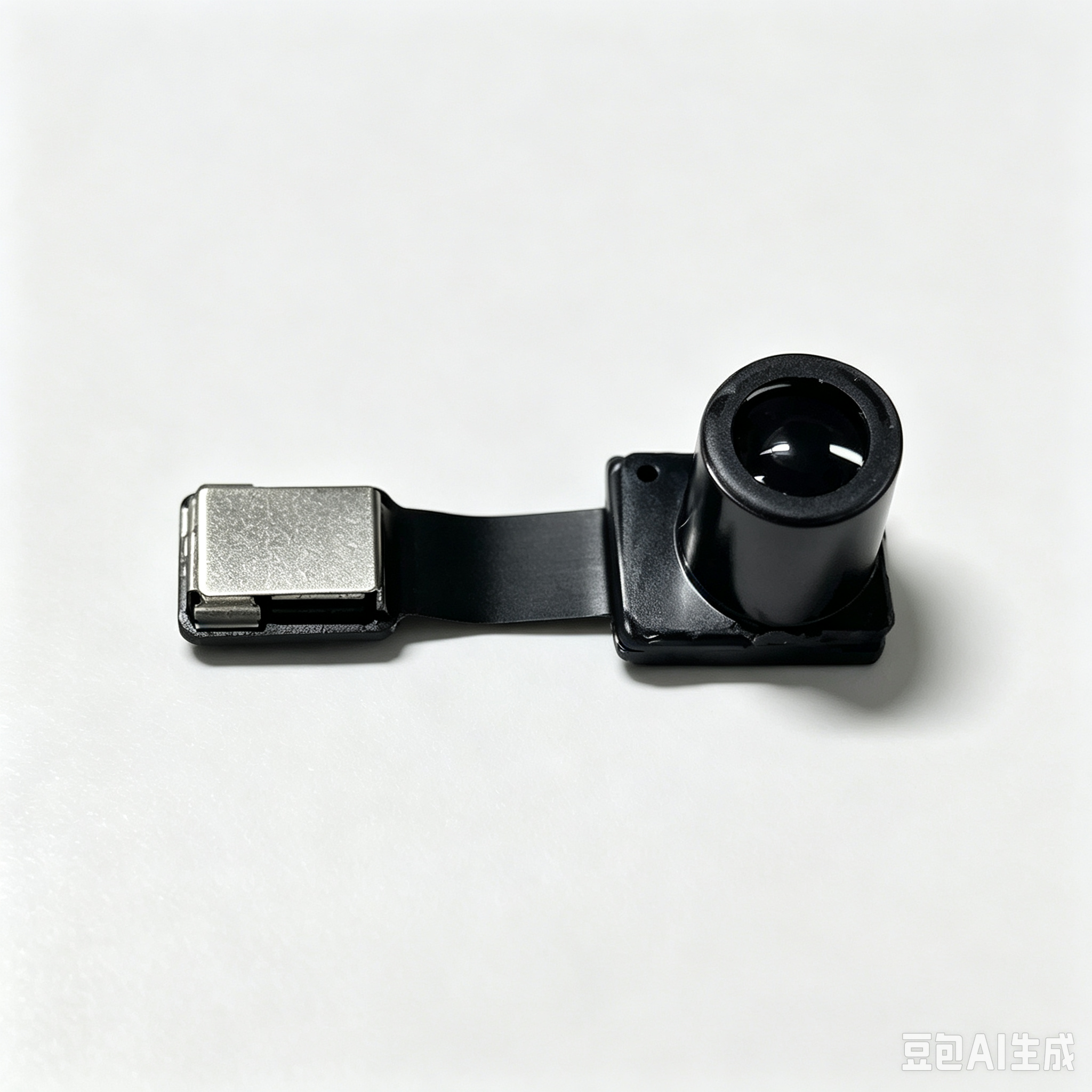
Optical Lenses serve as the foundation for countless imaging, sensing, and optical systems across industries. Whether you are developing a medical imaging device, industrial inspection system, or consumer camera module, the quality and customization capability of your Optical Lenses directly impact system performance, cost efficiency, and time-to-market. A one-stop OEM service provider for Optical Lenses eliminates the complexity of sourcing, reduces development cycles, and ensures your final product meets exact specifications.

Unlike off-the-shelf Optical Lenses, OEM-grade solutions provide manufacturers with complete control over focal lengths, aperture specifications, optical coatings, and mechanical interfaces. This flexibility transforms how companies approach lens integration, allowing them to optimize for specific wavelengths, working distances, and system constraints. A comprehensive OEM partner handles everything from initial optical design consultation through final assembly, quality assurance, and volume production.
Why Customizable Optical Lenses Matter in OEM Manufacturing
Precision Performance Alignment with Application Requirements
Every application demands different optical characteristics. Customizable Optical Lenses allow manufacturers to specify exact focal lengths that match their sensor size, required field-of-view, and working distance constraints. For example, a machine vision system inspecting circuit board components requires fundamentally different Optical Lenses than a wide-angle surveillance camera or a telephoto industrial monitoring solution. By partnering with an OEM provider offering customizable Optical Lenses, you avoid compromises inherent in standard catalog lenses and achieve superior optical performance that directly translates to image quality and system reliability.
Cost Efficiency Through Tailored Design
Over-specifying Optical Lenses increases component costs unnecessarily, while under-specifying them creates system failures in the field. Customizable Optical Lenses from dedicated OEM partners are engineered to meet your exact performance thresholds, eliminating unnecessary premium features. This targeted design approach reduces material costs, simplifies manufacturing, and improves profit margins on each unit produced. Additionally, consolidated sourcing through one OEM provider for all your Optical Lenses consolidates supply chain complexity and procurement overhead.
Interface and Integration Flexibility in Optical Lenses Design
Mechanical Interface Standardization for Your Ecosystem
Optical Lenses must integrate seamlessly with your specific camera module, sensor housing, or optical assembly. Standard Optical Lenses often feature generic threads, flange focal distances, or mounting interfaces that require costly custom adapters or housing modifications. OEM-provided Optical Lenses can be engineered with your preferred mechanical interface, whether that means M12, C-mount, custom bayonet fittings, or integrated barrel assemblies that snap directly into your product housing. This interface customization eliminates integration friction, reduces assembly time, and ensures consistent optical alignment across production batches.
Optical Specifications and Coating Optimization
Different applications require different optical coatings and materials. Infrared applications demand Optical Lenses with specific coatings to minimize reflection losses in the 8–12 micrometer range, while UV inspection systems require Optical Lenses with anti-reflective coatings optimized for shorter wavelengths. OEM partners specializing in Optical Lenses offer customizable anti-reflective coatings, index matching, and material selection that maximize light transmission and minimize aberration for your exact wavelength and environment. This optical customization ensures maximum system sensitivity and image clarity without paying premium pricing for unnecessary universal coatings.
Production Scale and Supply Chain Reliability
Volume Production Capability and Consistency
A true one-stop OEM service for Optical Lenses must support consistent production from prototype quantities to high-volume manufacturing runs. Dedicated OEM providers maintain multiple grinding, coating, and assembly stations capable of maintaining tight optical tolerances and repeatable performance across thousands of units. Quality assurance protocols ensure every batch of Optical Lenses meets specifications for refractive index, focal length accuracy, aperture precision, and surface quality. This production consistency is critical for product reliability, field performance, and warranty costs in your supply chain.
Technical Support and Design Optimization
Partnering with an experienced OEM provider for Optical Lenses provides access to optical engineers who understand how focal length selection, aperture size, working distance, and sensor size interact to optimize system performance. These experts can model optical performance before manufacturing begins, recommend design adjustments that improve image quality or reduce costs, and troubleshoot integration challenges as your product develops. This collaborative design approach ensures your Optical Lenses are engineered specifically for your application, not generic solutions forced to fit mismatched requirements.
FAQ
How do I determine the correct focal length for my application?
Focal length is determined by your sensor size, required field-of-view, and working distance. A qualified OEM provider specializing in Optical Lenses will help you calculate the ideal focal length using these parameters. Shorter focal lengths provide wider fields-of-view but shorter working distances, while longer focal lengths enable distant object imaging at narrower angles. The provider's optical engineers can model different Optical Lenses configurations and recommend the optimal choice for your specific application constraints.
What quantities do OEM Optical Lenses providers support?
Leading OEM Optical Lenses providers support everything from small pilot production runs through millions of units annually. Initial prototype quantities might involve minimal setup fees and longer lead times, while high-volume orders benefit from optimized production schedules and reduced per-unit costs. Most providers maintain flexible production capacity and can scale Optical Lenses manufacturing as your product demand grows, ensuring continuity of supply without forcing you to transition between suppliers.
Can Optical Lenses be customized for infrared or UV applications?
Yes, OEM-grade Optical Lenses can be engineered with specialized materials and coatings for infrared, visible, or ultraviolet wavelengths. Infrared Optical Lenses require different substrate materials and anti-reflective coatings optimized for thermal wavelengths, while UV Optical Lenses use materials that transmit shorter wavelengths efficiently. A comprehensive OEM partner offers customizable Optical Lenses across the full spectrum, ensuring your application receives optics specifically optimized for its operational wavelength range.