
 EN



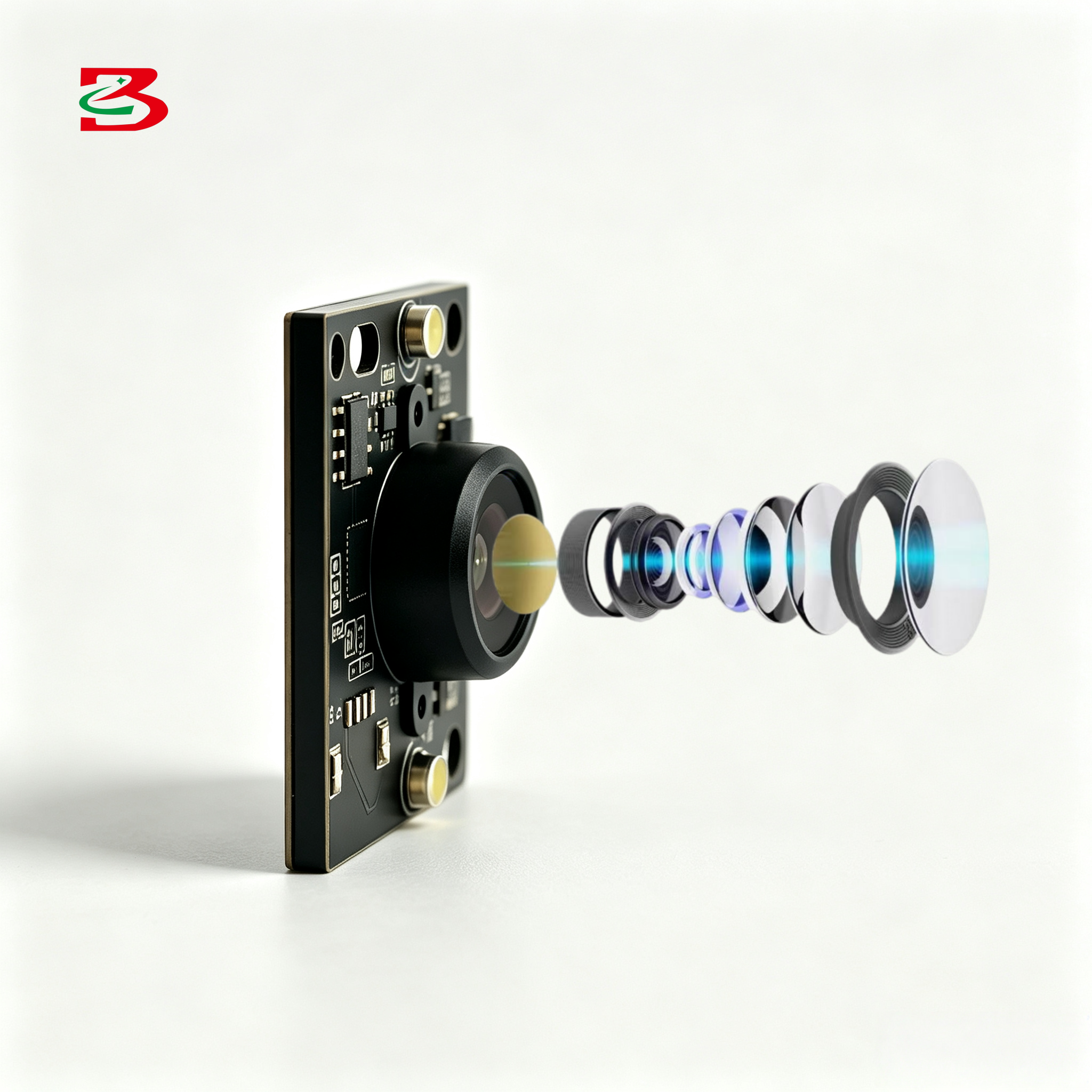
Selecting the right optical engine light sources is a critical decision for industrial imaging, machine vision, and optical inspection applications. The choice between LED, laser, and xenon optical engine light sources directly impacts image quality, system reliability, cost efficiency, and long-term operational performance. Each optical engine light sources technology brings distinct advantages and limitations that must align with your specific application requirements, environmental constraints, and performance expectations. Understanding the fundamental differences between these three optical engine light sources will help you make an informed decision that optimizes both immediate results and total cost of ownership across your manufacturing or inspection workflow.
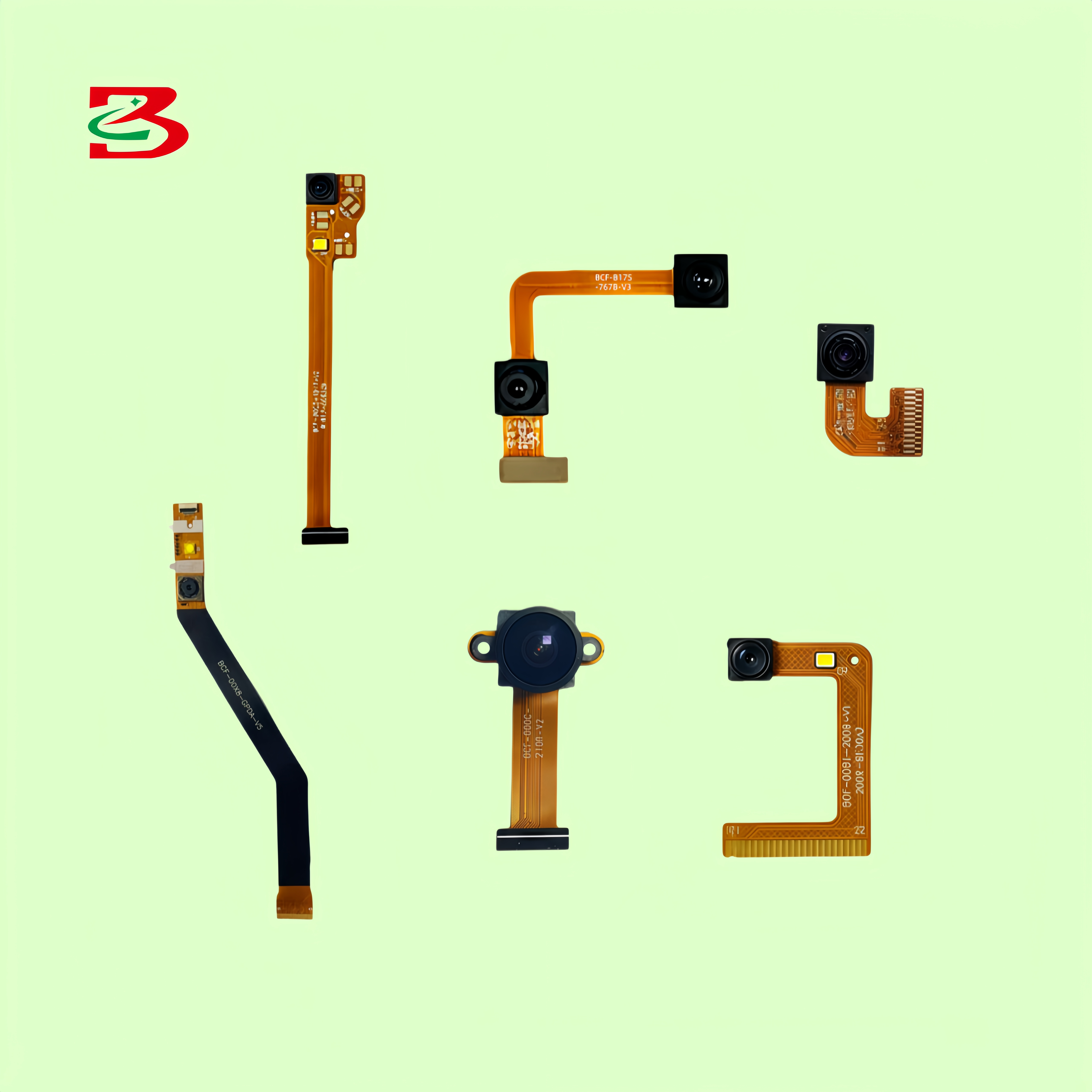
Modern industrial applications demand consistent, reliable illumination that balances performance with practical deployment constraints. Whether you are designing automated quality control systems, medical imaging devices, or precision assembly equipment, the optical engine light sources you select will influence system robustness, maintenance burden, and detection accuracy. This comprehensive guide examines the strengths and weaknesses of LED, laser, and xenon optical engine light sources so you can evaluate which technology best serves your operational needs and long-term strategy.
LED Optical Engine Light Sources: Efficiency and Reliability
Advantages of LED Optical Engine Light Sources
LED optical engine light sources have become the industry standard for most general-purpose imaging and inspection applications. These optical engine light sources deliver exceptional energy efficiency, converting a higher percentage of electrical input into visible light compared to xenon or traditional halogen alternatives. LED optical engine light sources generate minimal heat, reducing thermal stress on surrounding components and eliminating the need for complex cooling systems. The long operational lifespan of LED optical engine light sources—typically 50,000 to 100,000 hours—dramatically reduces maintenance frequency and replacement costs across large-scale deployments.
The optical engine light sources based on LED technology also provide precise wavelength control, allowing engineers to optimize illumination for specific color ranges, surface finishes, and material properties. LED optical engine light sources enable instant on-off switching without warm-up delay, making them ideal for high-speed automated systems that require synchronized triggering. The compact form factor of LED optical engine light sources permits integration into tight spaces and portable equipment without compromising optical performance or system geometry.
Limitations of LED Optical Engine Light Sources
Despite their widespread adoption, LED optical engine light sources have notable constraints in demanding industrial environments. The brightness intensity of LED optical engine light sources remains lower than laser or xenon alternatives, limiting their effectiveness in applications requiring extremely high illumination or long working distances. LED optical engine light sources suffer from luminance fall-off and beam uniformity challenges, particularly across large inspection areas or when depth of field requirements demand distributed lighting. Environmental sensitivity represents another concern; LED optical engine light sources experience brightness degradation and color shift when exposed to temperature extremes, humidity, or vibration-intensive manufacturing floors.
Laser Optical Engine Light Sources: Precision and Intensity
Advantages of Laser Optical Engine Light Sources
Laser optical engine light sources deliver unmatched intensity and wavelength precision, making them essential for applications requiring extreme focus, minimal beam divergence, and high contrast detection. Laser optical engine light sources produce coherent, highly directional light that penetrates haze, dust, and reflective surfaces more effectively than LED alternatives, enabling reliable detection in outdoor or contaminated industrial environments. The superior depth of field characteristics of laser optical engine light sources permit imaging of distant or deeply recessed features without significant light loss. Laser optical engine light sources also excel in scientific measurement, three-dimensional scanning, and advanced metrology where wavelength stability and intensity uniformity are paramount.
Laser optical engine light sources enable precise pattern projection, structured light applications, and advanced optical trapping techniques impossible with conventional illumination. The narrow spectral bandwidth of laser optical engine light sources facilitates sophisticated filtering and interference-based detection methods. For applications involving fluorescence stimulation, Raman spectroscopy, or wavelength-specific material characterization, laser optical engine light sources provide the focused energy necessary for reliable signal generation and measurement accuracy.
Limitations of Laser Optical Engine Light Sources
Laser optical engine light sources introduce significant safety and regulatory complexities that must not be overlooked in industrial deployments. Proper classification, containment, and personnel protection protocols are mandatory when laser optical engine light sources exceed certain power thresholds, increasing operational burden and facility modification requirements. Laser optical engine light sources are substantially more expensive than LED alternatives, with higher procurement, maintenance, and replacement costs that may exceed total project budgets. The speckle pattern and coherence of laser optical engine light sources can create unwanted artifacts in imaging applications, requiring additional optical diffusion or beam shaping that reduces efficiency.
Environmental stability concerns also apply to laser optical engine light sources; wavelength drift, mode-hopping, and thermal expansion limit performance consistency over extended operating periods. The specialized cooling and power supply requirements of laser optical engine light sources complicate system architecture and increase electrical consumption. For most general-purpose industrial imaging, the complexity and cost of laser optical engine light sources outweigh performance advantages when simpler alternatives meet detection requirements adequately.
Xenon Optical Engine Light Sources: Intensity and Spectral Range
Advantages of Xenon Optical Engine Light Sources
Xenon optical engine light sources produce exceptionally bright, broad-spectrum illumination that approaches natural sunlight characteristics, making them ideal for color-critical applications and general-purpose machine vision. Xenon optical engine light sources deliver high intensity over a wide wavelength range without requiring wavelength-specific tuning, enabling single-illumination solutions for complex multi-material inspection. The flash discharge capability of xenon optical engine light sources permits ultra-high-intensity, short-duration pulses that freeze motion, minimize motion blur, and reduce image artifacts in fast-moving production environments.
The broad spectral distribution of xenon optical engine light sources facilitates excellent color reproduction, surface texture visibility, and defect contrast across diverse material types. Xenon optical engine light sources operate reliably in challenging environmental conditions where LED sensitivity to temperature becomes problematic. The proven longevity record and widespread industrial adoption of xenon optical engine light sources provide confidence in deployment predictability and spare parts availability across established supply chains.
Limitations of Xenon Optical Engine Light Sources
Xenon optical engine light sources generate substantial heat during operation, demanding robust thermal management infrastructure and cooling systems that increase mechanical complexity and power consumption. The relatively short operational lifespan of xenon optical engine light sources—typically 1,000 to 5,000 hours—necessitates frequent lamp replacement and higher lifetime maintenance costs. Xenon optical engine light sources require warm-up periods before reaching stable brightness and color temperature, limiting their suitability in applications requiring instant-on capability or rapid restart cycles.
The flicker and output instability characteristic of xenon optical engine light sources can complicate image processing and synchronization in systems with tight timing tolerances. Mercury content and disposal regulations governing xenon optical engine light sources add environmental and compliance overhead. For modern manufacturing environments prioritizing energy efficiency and minimal downtime, the obsolescence trend and operational burden of xenon optical engine light sources make them increasingly less favorable despite their proven performance heritage.
Comparison Framework: Selecting Your Optical Engine Light Sources
Application-Specific Evaluation Criteria
Evaluating optical engine light sources requires systematic assessment of intensity requirements, spectral needs, environmental exposure, integration constraints, and total cost of ownership across your expected system lifespan. If your optical engine light sources application demands rapid on-off switching, extreme energy efficiency, or compact spatial integration, LED optical engine light sources represent the optimal choice for most modern deployments. If your optical engine light sources application requires maximum brightness, extreme distance imaging, or specialized scientific measurement, laser optical engine light sources merit serious consideration despite higher capital and operational costs.
When optical engine light sources selection involves color-critical inspection, diverse material types, or legacy system compatibility, xenon optical engine light sources may offer practical advantages in specific niches, though their declining market presence limits long-term viability. The decision framework for optical engine light sources should prioritize reliability, maintainability, and total lifecycle economics alongside raw performance metrics. Consult with optical design specialists to model how each optical engine light sources candidate performs under your precise environmental conditions, detection requirements, and operational constraints before committing to long-term deployment.
FAQ
Which optical engine light sources technology offers the longest operational lifespan?
LED optical engine light sources provide the longest operational lifespan, typically lasting 50,000 to 100,000 hours with minimal maintenance. This dramatically exceeds xenon optical engine light sources (1,000 to 5,000 hours) and surpasses laser optical engine light sources in most commercial applications. The extended lifespan of LED optical engine light sources directly translates to lower replacement frequency and reduced total cost of ownership for large-scale industrial deployments.
Are laser optical engine light sources suitable for outdoor or contaminated environments?
Yes, laser optical engine light sources excel in outdoor and contaminated environments where their coherent, highly directional beam penetrates dust, haze, and reflections more effectively than LED or xenon alternatives. The intensity and beam characteristics of laser optical engine light sources enable reliable detection despite environmental obstacles. However, laser optical engine light sources require careful safety classification, proper containment protocols, and personnel protection measures that increase operational complexity and regulatory burden in industrial facilities.
What makes xenon optical engine light sources valuable for color-critical inspection?
Xenon optical engine light sources produce exceptionally bright, broad-spectrum illumination that closely approximates natural sunlight, enabling accurate color reproduction and excellent surface texture visibility across diverse material types. The wide wavelength range of xenon optical engine light sources supports single-illumination solutions for complex multi-material inspection without wavelength-specific tuning. This makes xenon optical engine light sources particularly valuable in applications where color accuracy, surface finish assessment, and defect contrast across varied materials are performance-critical factors.