
 EN



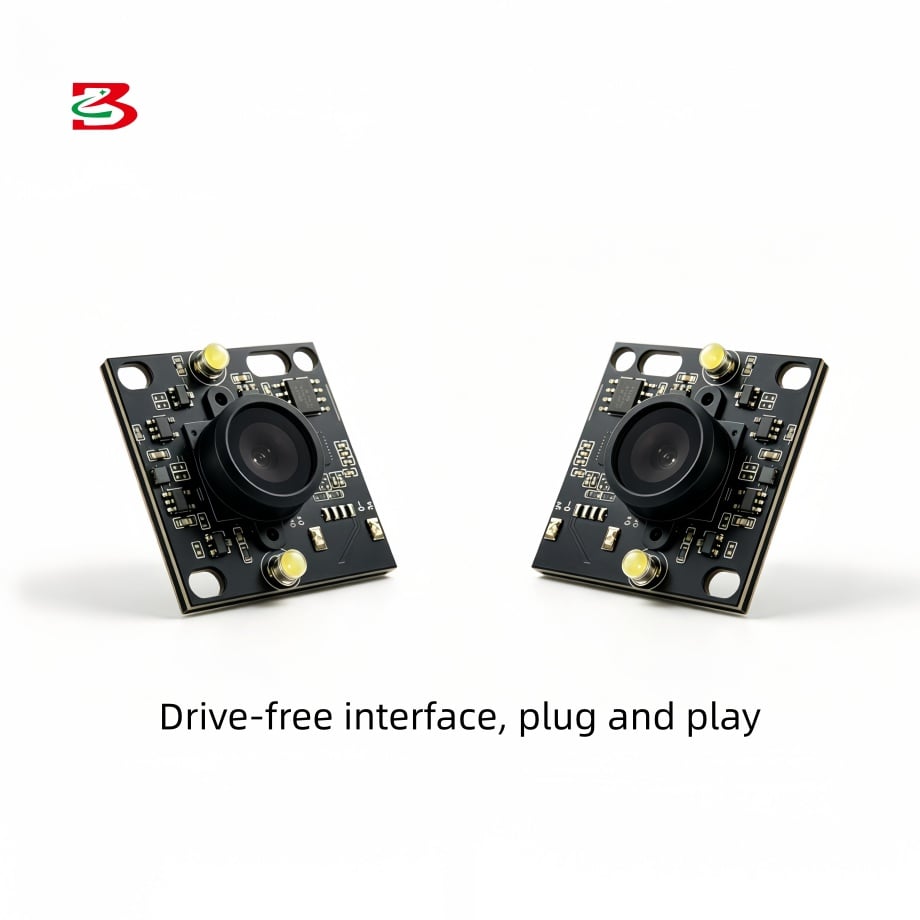
High-frame-rate camera modules have become essential components in modern unmanned aerial vehicles designed for precision visual tracking applications. When UAVs need to monitor fast-moving targets, capture detailed motion sequences, or maintain continuous lock on dynamic subjects, the performance of high-frame-rate camera modules directly determines success or failure. These specialized imaging systems deliver frame rates that exceed standard cameras, enabling operators to observe and analyze rapid movement with clarity and precision that would otherwise be impossible.
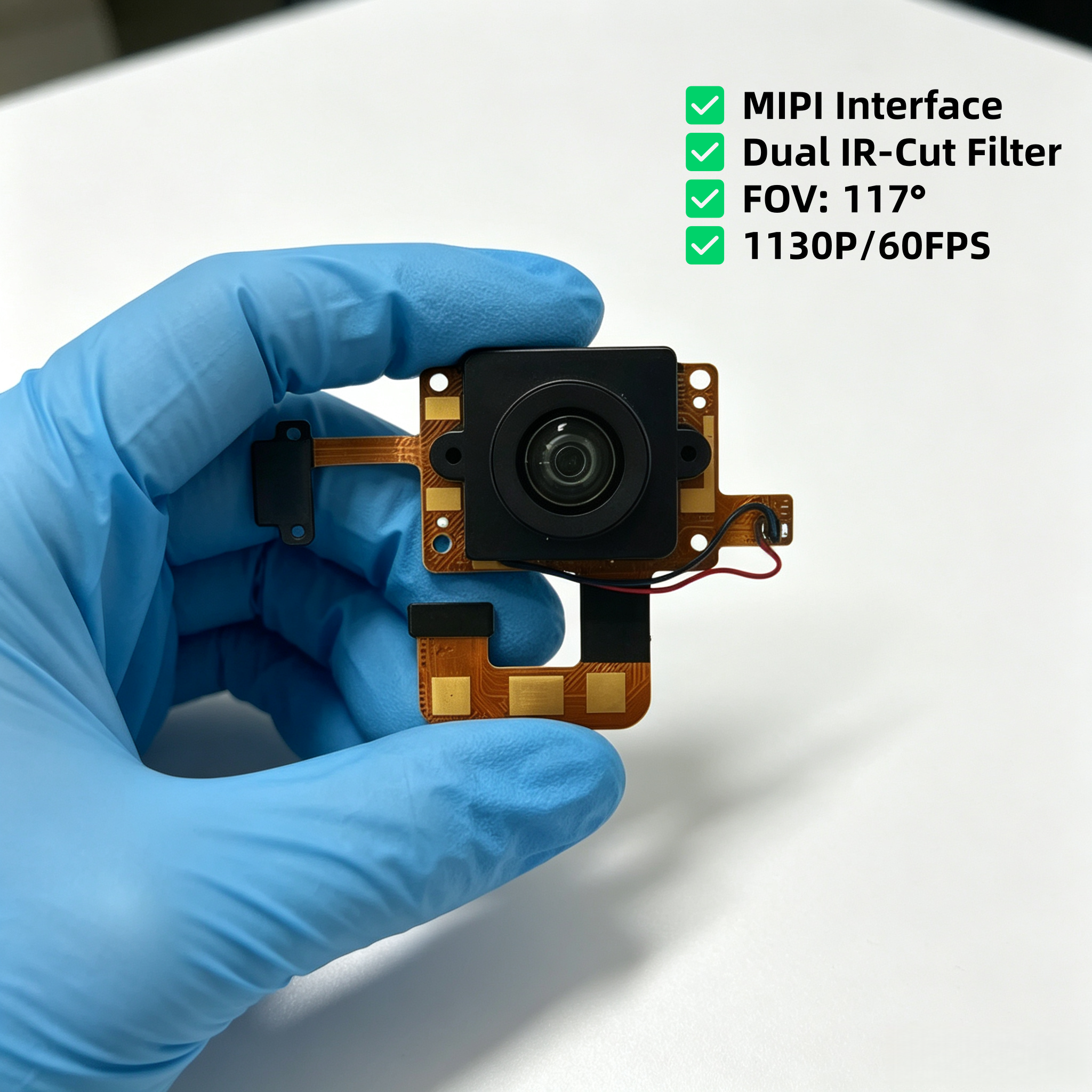
The advantages of high-frame-rate camera modules extend far beyond simple speed. By capturing more frames per second, these modules create smoother video sequences, reduce motion blur, improve target detection algorithms, and enhance the overall reliability of autonomous tracking systems. Industries ranging from surveillance and security to sports broadcasting, wildlife monitoring, and industrial inspection depend on high-frame-rate camera modules to deliver the image quality and temporal resolution required for critical decision-making.
Superior Motion Capture and Target Clarity
Eliminating Motion Blur in Fast-Tracking Scenarios
One of the primary advantages of high-frame-rate camera modules is their ability to eliminate motion blur when tracking rapidly moving targets. Traditional cameras operating at standard frame rates often produce blurred images when subjects move quickly through the frame. High-frame-rate camera modules solve this problem by capturing numerous frames in the same time interval, ensuring that even fast motion appears sharp and well-defined. This clarity is crucial for UAV visual tracking systems that must identify and follow vehicles, aircraft, athletes, or wildlife moving at considerable speeds.
Smoothing Video Sequences for Better Analysis
High-frame-rate camera modules produce inherently smoother video playback and analysis capabilities. When footage contains more frames, the temporal gap between consecutive images shrinks, creating fluid motion representation that human observers and artificial intelligence systems can interpret more accurately. This smoothness directly enhances the performance of high-frame-rate camera modules in UAV applications, enabling tracking algorithms to predict target movement more reliably and adjust drone positioning with greater precision. Operators reviewing footage captured with high-frame-rate camera modules can also detect subtle behaviors and details that lower frame rates would miss entirely.
Enhanced Real-Time Detection and Autonomous Tracking
Improving Algorithm Performance Through Temporal Resolution
Artificial intelligence and machine learning models powering autonomous tracking systems benefit significantly from the temporal richness that high-frame-rate camera modules provide. Computer vision algorithms analyzing footage from high-frame-rate camera modules have access to intermediate frames that reveal movement patterns, trajectory details, and behavioral characteristics invisible to systems using standard frame rates. This additional data enables machine learning models to classify targets more accurately, predict future positions more reliably, and maintain tracking lock even when targets perform evasive maneuvers or temporarily disappear from view.
Reducing Latency in Real-Time Processing
High-frame-rate camera modules reduce effective latency in real-time tracking systems by providing fresher data at more frequent intervals. Even though processing a single frame takes identical time regardless of frame rate, having more frames available per second means operators receive updated target information more frequently. This continuous stream of updated positional data from high-frame-rate camera modules enables faster response times, allowing UAVs to adjust flight paths, gimbal angles, and zoom levels with minimal delay. For applications requiring split-second decision-making, this reduction in effective latency translates directly into improved tracking accuracy and mission success rates.
Industrial Applications and Performance Advantages
Security, Surveillance, and Real-Time Monitoring
Security and surveillance operations depend heavily on high-frame-rate camera modules to capture clear evidence of suspicious activity, vehicle movements, and personnel behavior. High-frame-rate camera modules equipped on security drones provide detailed documentation of incidents that may occur too rapidly for human observation or standard cameras to document. When legal proceedings or investigations require video evidence, the frame-by-frame clarity delivered by high-frame-rate camera modules often proves decisive. Furthermore, high-frame-rate camera modules enable automated threat detection systems to identify suspicious patterns and alert security personnel immediately, rather than relying on delayed alert mechanisms connected to lower-resolution footage.
Sports Broadcasting and Professional Production
Professional sports broadcasting and aerial cinematography have been transformed by high-frame-rate camera modules capable of capturing slow-motion sequences without sacrificing resolution. Broadcasters and production companies use high-frame-rate camera modules to create dramatic slow-motion replays, highlight dramatic moments, and showcase athletic performance in unprecedented detail. High-frame-rate camera modules allow directors to deliver premium visual content that engages audiences and commands premium advertising rates. The competitive advantage offered by high-frame-rate camera modules in the broadcast industry has made them standard equipment for major sporting events, particularly those involving high-speed action that demands frame-by-frame analysis.
FAQ
What frame rate is considered high for UAV camera applications?
Frame rates above sixty frames per second are typically classified as high-frame-rate for most UAV applications, though the specific threshold depends on the target's movement speed and tracking requirements. For fast-moving subjects like racing vehicles or aircraft, high-frame-rate camera modules operating at one hundred twenty frames per second or higher provide optimal results. Surveillance and wildlife monitoring applications often achieve excellent results with high-frame-rate camera modules operating in the sixty to one hundred frames per second range, balancing bandwidth, storage, and processing requirements against tracking performance needs.
Do high-frame-rate camera modules require higher bandwidth and storage capacity?
Yes, high-frame-rate camera modules produce larger file sizes and require greater transmission bandwidth compared to standard frame rate systems. However, modern high-frame-rate camera modules incorporate efficient video compression technologies that mitigate storage and bandwidth concerns. Operators should evaluate data transmission capabilities, onboard storage capacity, and processing power when selecting high-frame-rate camera modules, ensuring the selected system aligns with operational infrastructure and mission requirements.
Can high-frame-rate camera modules operate in low-light conditions?
High-frame-rate camera modules perform optimally under well-lit conditions, though modern sensor technology has improved low-light performance significantly. High-frame-rate camera modules designed for professional applications often incorporate larger sensors, advanced noise reduction algorithms, and variable shutter speeds to maintain image quality in challenging lighting. When deploying high-frame-rate camera modules in dawn, dusk, or night operations, operators should verify the specific sensor specifications and conduct field testing to ensure adequate image quality for target detection and tracking algorithms.