
 EN



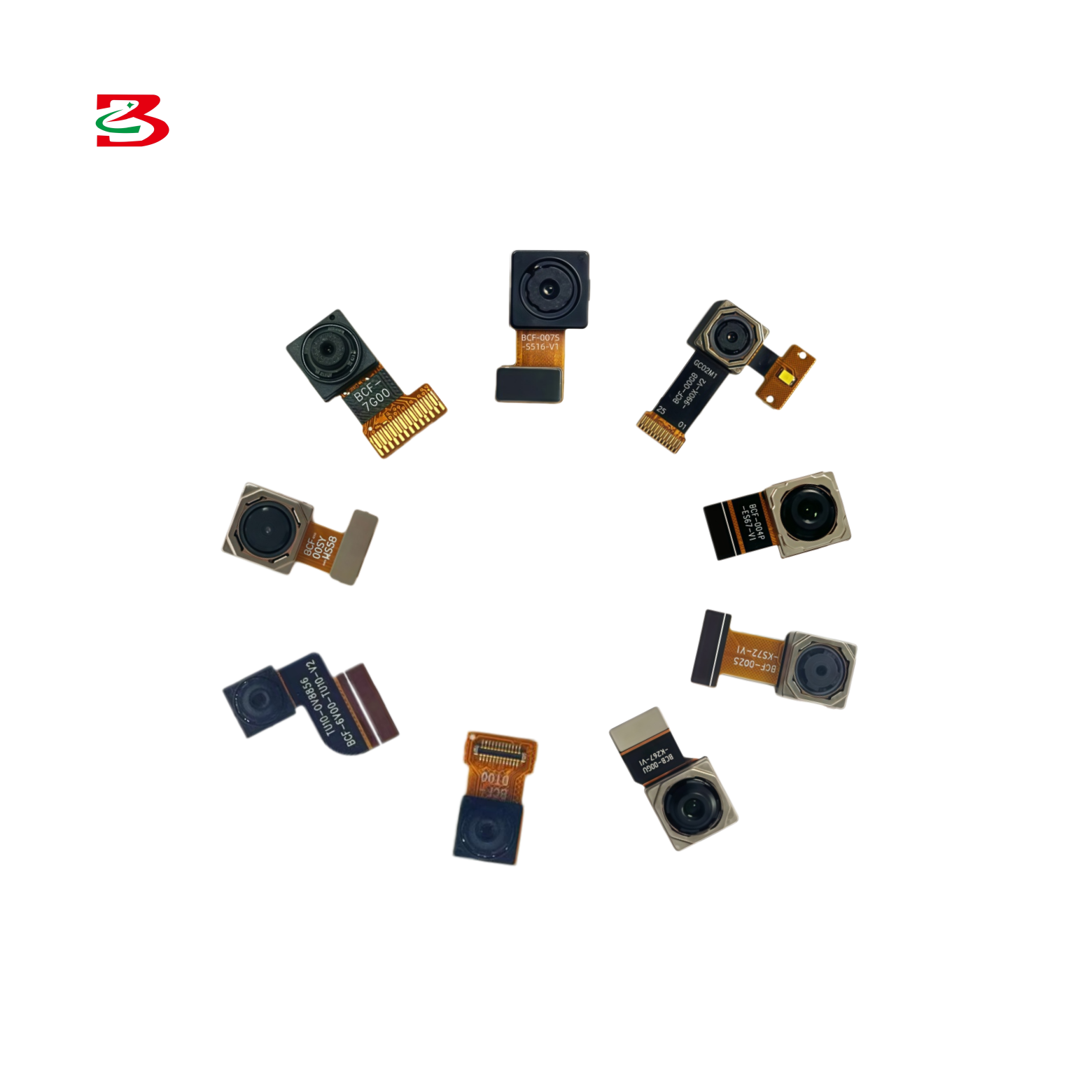
The evolution of compact smart devices has created unprecedented demand for advanced mini camera module packaging solutions. As consumer electronics continue to shrink in physical footprint while expanding in capability, the engineering challenges surrounding mini camera module packaging have become increasingly complex. Modern smartphones, wearable devices, and IoT equipment require imaging systems that deliver exceptional performance within severe spatial constraints, making mini camera module packaging a critical differentiator in product development and manufacturing success.
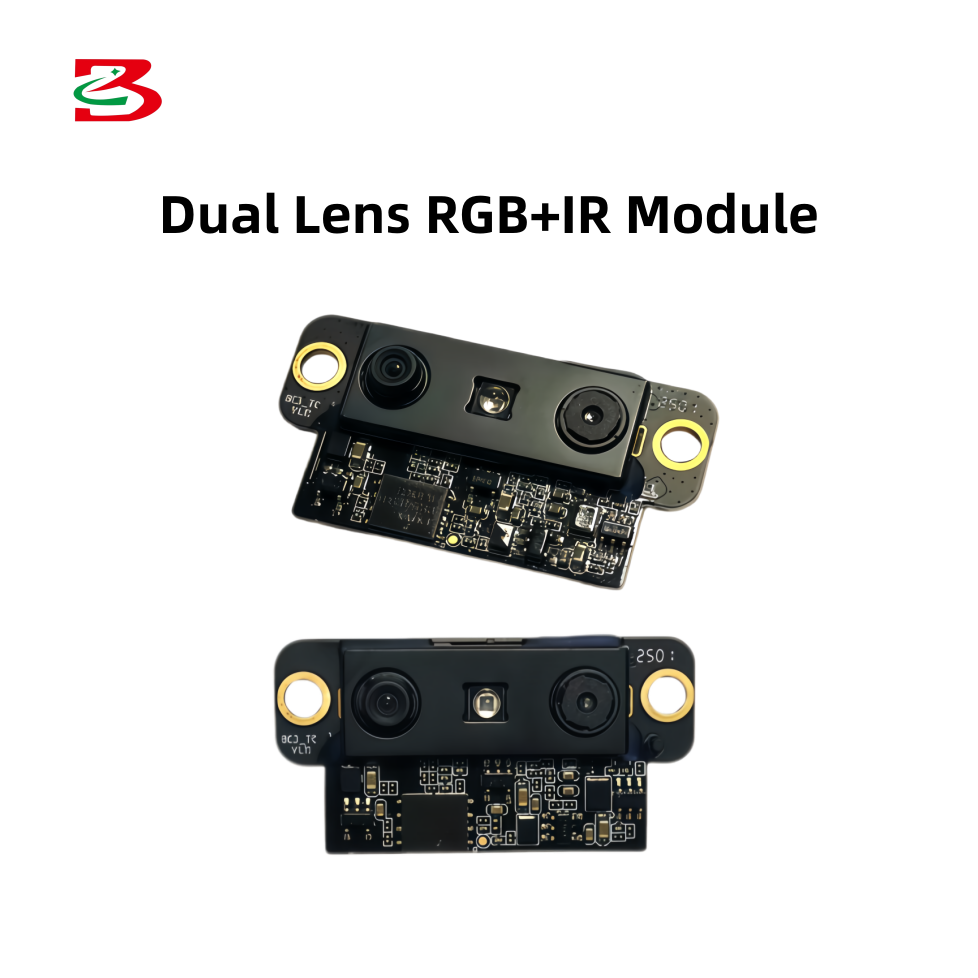
Understanding the technical fundamentals of mini camera module packaging directly impacts your device's imaging quality, thermal stability, and long-term reliability. The packaging architecture determines how effectively the optical elements, sensor, and processing components work together, influencing everything from light sensitivity to color accuracy. Engineers and procurement teams working with compact smart devices must grasp the nuanced decisions involved in mini camera module packaging design, material selection, and manufacturing processes to make informed choices that align with product specifications and market demands.
Core Design Principles in Mini Camera Module Packaging
Optical Alignment and Precision
Precision optical alignment forms the foundation of effective mini camera module packaging. The lens assembly, image sensor, and infrared filter must maintain exact positional relationships to deliver sharp imaging across the full focal plane. In mini camera module packaging, even micron-level deviations can cause focus degradation, color shift, or vignetting effects that compromise final image quality. The packaging structure itself must provide rigid mechanical support that resists vibration, thermal expansion, and stress-induced warping throughout the device lifecycle.
Achieving this precision in mini camera module packaging requires careful selection of mounting materials with consistent coefficient of thermal expansion. Polymer spacers, metal frames, and adhesive systems must all work in concert to maintain alignment across temperature variations encountered in real-world use. Advanced mini camera module packaging designs employ optical centering techniques and automated alignment verification during assembly to ensure each unit meets stringent optical specifications before integration into the final device.
Sensor Integration and Signal Path
The image sensor represents the most sensitive component within mini camera module packaging, requiring careful isolation from electromagnetic interference and mechanical stress. Modern mini camera module packaging incorporates Faraday shielding, ground plane design, and controlled impedance signal routing to minimize noise in the analog signal path from the sensor to the image processing circuitry. The sensor itself must be mounted on a substrate that provides thermal spreading while maintaining electrical signal integrity throughout the mini camera module packaging assembly.
Effective mini camera module packaging manages the transition from low-voltage analog sensor signals to digital output formats like MIPI CSI-2 or parallel video streams. This requires careful trace routing, layer stackup design, and impedance matching within the mini camera module packaging structure itself. Crosstalk between adjacent signal lines, power distribution noise, and timing skew can all degrade image quality if not properly controlled during mini camera module packaging design and manufacturing.
Thermal Management and Reliability in Mini Camera Module Packaging
Heat Dissipation Strategies
Thermal management within mini camera module packaging addresses heat generated by the image sensor and associated processing electronics during extended operation. Even modest power consumption can create thermal gradients in the compact volumes typical of mini camera module packaging, affecting sensor dark current, focus stability, and overall system performance. Strategic material selection and design layout in mini camera module packaging determines how effectively heat reaches surrounding device structures where it can be dispersed to the environment.
Advanced mini camera module packaging employs thermal interface materials, metallic heat spreaders, and strategic placement of thermally conductive elements to channel heat away from sensitive optical and electronic components. The effectiveness of mini camera module packaging thermal design directly influences sensor temperature stability, which affects image quality consistency across varying ambient conditions. Engineers designing mini camera module packaging must balance the need for heat dissipation against the constraints of miniaturization and cost control inherent in consumer electronics manufacturing.
Environmental Protection and Sealing
Moisture, dust, and contaminant ingress represent significant threats to long-term reliability in mini camera module packaging. The lens aperture, sensor interfaces, and component boundaries within mini camera module packaging must all be protected through appropriate sealing strategies that maintain optical clarity while preventing environmental degradation. Conformal coatings, hermetic sealing, and careful material compatibility selections form the environmental protection framework within modern mini camera module packaging designs.
The optical path requires special attention in mini camera module packaging, as any internal condensation, dust, or optical film degradation directly impacts image quality. Careful material selection in mini camera module packaging, combined with desiccant placement and controlled manufacturing environments, ensures that protective measures do not introduce optical aberrations or light loss. Pressure relief provisions within mini camera module packaging structures accommodate pressure changes from altitude and temperature fluctuations while maintaining seal integrity.
Manufacturing Processes and Quality Control for Mini Camera Module Packaging
Assembly Integration Techniques
The assembly workflow for mini camera module packaging involves sequential integration of optical elements, sensors, substrates, and mechanical frames into a cohesive functional unit. Precision placement equipment capable of micron-level positioning forms the foundation of modern mini camera module packaging manufacturing. Each component integration step in mini camera module packaging must be controlled and verified to ensure that cumulative tolerances remain within optical and electrical specifications before moving to the next stage.
Automated optical inspection systems have become essential for validating mini camera module packaging quality during production. These systems verify lens cleanliness, detect assembly defects, measure optical alignment accuracy, and identify potential failure modes before units reach the customer. The investment in advanced inspection capabilities for mini camera module packaging directly reduces field failures and warranty costs while protecting brand reputation in the competitive smart device market.
Testing and Validation Protocols
Comprehensive testing protocols for mini camera module packaging validate optical performance, electrical functionality, and environmental durability. Modulation transfer function testing, color accuracy measurement, and low-light sensitivity verification are standard components of mini camera module packaging quality assurance. Temperature cycling, humidity exposure, and mechanical shock testing ensure that mini camera module packaging maintains performance across the expected product lifetime and operating environments.
Accelerated life testing procedures for mini camera module packaging identify potential failure modes and degradation mechanisms before they impact customer experience. These rigorous validation approaches add manufacturing cost but prevent far more expensive field failures and product recalls. Each mini camera module packaging design iteration benefits from comprehensive testing data that informs refinements in material selection, assembly processes, and design robustness for subsequent production generations.
FAQ
What is the primary purpose of mini camera module packaging design?
The primary purpose of mini camera module packaging is to integrate optical, sensor, and electronic components into a compact unit that maintains precise alignment, delivers excellent image quality, and operates reliably throughout the device lifecycle. Mini camera module packaging must protect sensitive internal components from environmental stress while enabling efficient heat dissipation and signal integrity. Effective mini camera module packaging balances optical performance, manufacturing feasibility, cost control, and reliability requirements simultaneously.
How does mini camera module packaging affect image quality in compact devices?
Mini camera module packaging directly influences image quality through optical alignment accuracy, sensor noise performance, and signal path integrity. Misalignment, thermal instability, or electromagnetic interference introduced by poor mini camera module packaging design manifests as focus degradation, color errors, reduced dynamic range, or increased noise. The materials, assembly processes, and design architecture of mini camera module packaging determine whether the optical and electronic components perform at their theoretical maximum capability or operate below specification due to packaging-induced defects.
What are the key material considerations in mini camera module packaging?
Key materials in mini camera module packaging must balance optical transparency, mechanical stability, thermal conductivity, and environmental protection. Lens elements require optical glass or precision polymers with minimal aberration; sensors need substrates with controlled thermal expansion and electrical performance; mechanical frames demand materials providing rigidity without excessive weight. Mini camera module packaging designers must ensure material compatibility to prevent degradation from adhesive solvents, thermal cycling, or moisture exposure that could compromise long-term reliability.