
 EN



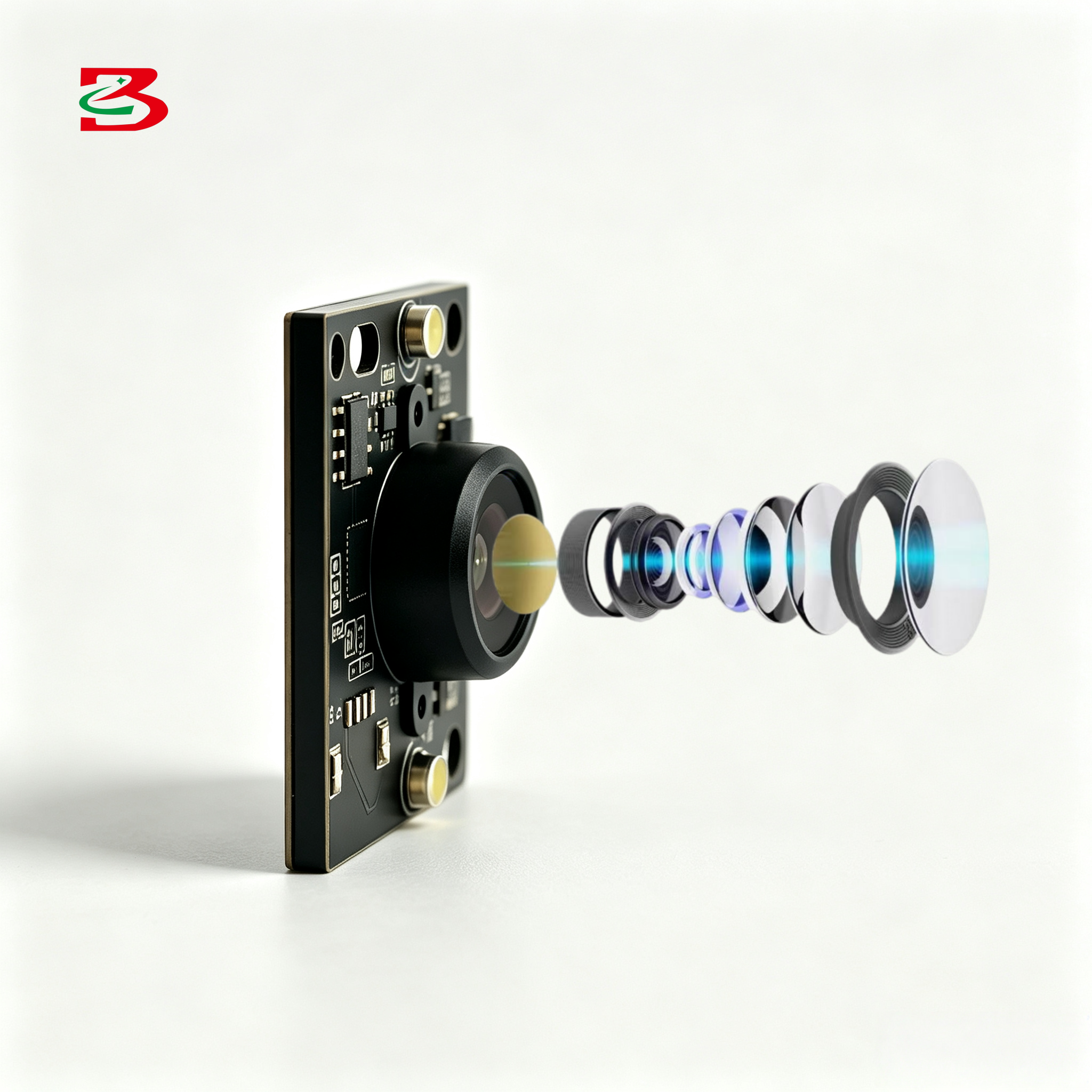
Smartphone cameras have undergone a dramatic transformation over the past decade, and one of the most significant innovations is the development of periscope telephoto modules. These sophisticated optical systems allow manufacturers to integrate powerful zoom capabilities into increasingly thin device profiles without compromising image quality or overall device aesthetics. The engineering behind periscope telephoto modules represents a convergence of precision optics, compact mechanical design, and advanced sensor technology that fundamentally changes how smartphones can capture distant subjects.
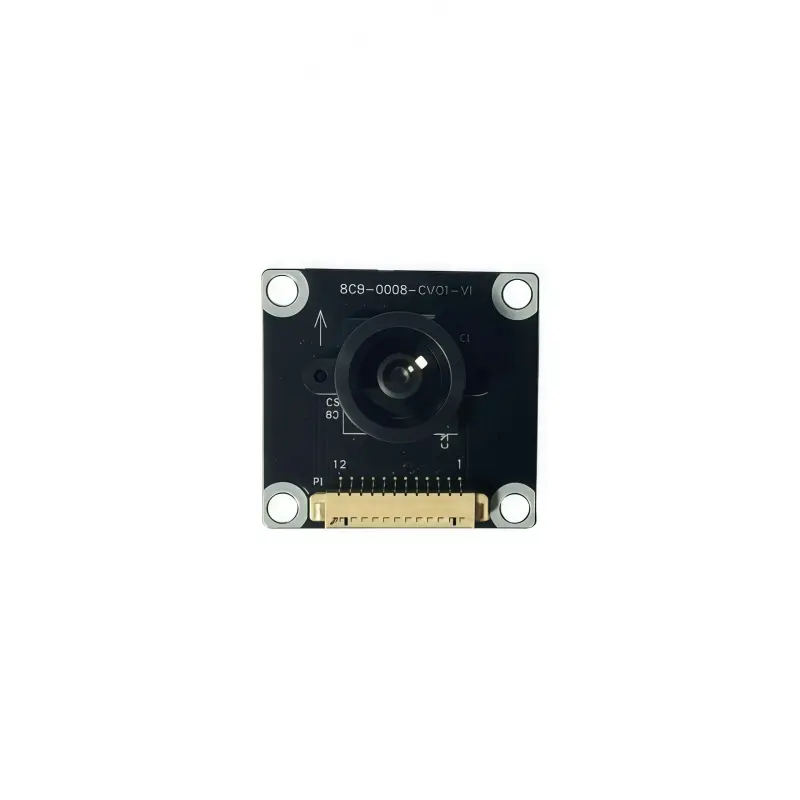
Understanding periscope telephoto modules requires examining their unique architecture and how they overcome the fundamental challenge of fitting a long focal length lens into a thin smartphone body. Unlike traditional telephoto designs that extend perpendicular to the device's back surface, periscope telephoto modules use an angled mirror or prism system to fold the optical path horizontally within the device frame. This ingenious approach enables manufacturers to achieve impressive zoom magnification while maintaining the slim profile consumers demand, making periscope telephoto modules an essential technology for premium smartphone imaging.
The Core Architecture of Periscope Telephoto Modules
Understanding the Periscope Optical Path
The fundamental principle behind periscope telephoto modules involves redirecting light through a 45-degree angled mirror or prism positioned inside the device chassis. Light from distant subjects enters the telephoto lens stack, travels horizontally through the device, reflects off the precision mirror, and then travels vertically downward to the sensor. This folded optical path is the defining characteristic of periscope telephoto modules, allowing engineers to accommodate longer focal lengths than would otherwise fit in a thin form factor. The precision of this mirror alignment is critical, as even microscopic deviations can affect image quality and autofocus performance across the entire focal range of the periscope telephoto modules.
Lens Elements and Optical Compensation
Periscope telephoto modules typically incorporate multiple lens elements arranged in carefully calculated configurations to manage optical aberrations and maintain sharpness across the full zoom range. The front objective lens group accepts light from distant subjects, while subsequent lens elements correct for chromatic aberration, spherical aberration, and other optical distortions inherent to the telephoto design. Modern periscope telephoto modules often use aspherical lens elements and specialized glass compositions to achieve optical performance comparable to traditional camera telephoto lenses. The engineering complexity of periscope telephoto modules reflects the need to maintain consistent optical quality while working within extreme space constraints and managing thermal variations during extended shooting sessions.
Mechanical Design and Integration Challenges
Space Optimization and Device Integration
Integrating periscope telephoto modules into smartphones requires precise mechanical engineering to ensure reliable operation while occupying minimal internal volume. The mirror or prism assembly must be mounted with sub-micron accuracy to prevent misalignment that could degrade image sharpness or cause focus hunting. Periscope telephoto modules demand careful thermal management because the optical path folding and lens element stacking can generate localized heat during extended zoom operations, particularly during video recording. Manufacturers address this through advanced heat dissipation materials, strategic component placement, and software-based thermal throttling that protects image quality while maintaining device operating temperatures within safe ranges for periscope telephoto modules.
Autofocus Systems and Motion Compensation
Periscope telephoto modules rely on sophisticated autofocus mechanisms, typically phase-detection autofocus or laser autofocus, to ensure rapid and accurate focus acquisition at various zoom levels. The longer focal length of these systems magnifies the effects of hand vibration and camera shake, making optical image stabilization particularly important for periscope telephoto modules. Advanced stabilization systems move optical elements or shift the entire lens group to compensate for motion detected by integrated gyroscopes and accelerometers. The coordination between autofocus, image stabilization, and the folded optical path represents a significant engineering achievement, as periscope telephoto modules must maintain focus accuracy while managing the mechanical complexity of their internal architecture.
Optical Performance and Practical Benefits
Zoom Capabilities and Image Quality
Periscope telephoto modules enable zoom magnifications ranging from 3x to 10x or beyond, depending on the specific design and focal length of the objective lens. These systems achieve superior performance compared to digital zoom by maintaining optical information from distant subjects rather than simply enlarging pixels from a standard sensor. High-quality periscope telephoto modules preserve fine detail and color accuracy across the entire zoom range, enabling professional-grade telephoto photography directly from a smartphone. The superior zoom performance of periscope telephoto modules represents a fundamental advantage for users who frequently photograph distant subjects, from wildlife and sports to architectural detail and event coverage.
Real-World Applications and User Benefits
Periscope telephoto modules have transformed smartphone photography across numerous professional and consumer applications. Photography professionals use periscope telephoto modules for event coverage, allowing them to capture intimate detail from the back of large venues without relocating. Journalists and documentary videographers rely on periscope telephoto modules to document distant scenes safely and discreetly. Consumer applications include travel photography, wildlife observation, sports spectating, and surveillance-grade documentation of property details. The practical versatility of periscope telephoto modules extends to medical and industrial imaging, where the combination of compact form factor and powerful zoom capability serves specialized documentation and quality inspection needs across diverse professional fields.
Advanced Innovations in Periscope Telephoto Modules
Multi-Stage Zoom and Variable Magnification
Contemporary periscope telephoto modules often incorporate variable focal length designs that extend the effective zoom range beyond what fixed-length systems provide. These advanced periscope telephoto modules use mechanical lens shifting to adjust the focal length continuously, enabling seamless transitions across the entire zoom spectrum. Some cutting-edge implementations of periscope telephoto modules combine optical zoom through variable lens positioning with digital zoom processing, creating extended zoom ranges while maintaining excellent image quality at intermediate magnification levels. The sophistication of modern periscope telephoto modules reflects ongoing innovation in mechanical precision, optical design, and computational imaging techniques that expand what smartphone zoom technology can achieve.
Sensor Integration and Computational Enhancement
The performance of periscope telephoto modules depends heavily on the image sensor architecture and the computational imaging algorithms that process raw sensor data. Specialized sensors optimized for telephoto applications incorporate higher pixel densities and improved sensitivity to maximize detail capture from distant subjects in challenging lighting conditions. Periscope telephoto modules benefit significantly from advanced demosaicing algorithms, noise reduction processing, and machine learning-based image enhancement that refines the final photograph while preserving natural appearance. The integration of dedicated computational imaging processors alongside periscope telephoto modules enables real-time processing that would overwhelm general-purpose mobile processors, ensuring responsive performance and predictable image quality regardless of scene complexity.
FAQ
Why are periscope telephoto modules necessary in thin smartphones?
Traditional telephoto lenses require a long barrel length to achieve high magnification, a design that would make smartphones prohibitively thick. Periscope telephoto modules solve this problem by folding the optical path horizontally, allowing manufacturers to achieve powerful zoom in devices that remain thin and pocket-friendly. This innovation directly addresses the fundamental constraint of smartphone industrial design, enabling both compelling photographic capability and consumer-preferred form factors.
How do periscope telephoto modules maintain image quality at full zoom?
High-quality periscope telephoto modules use multiple lens elements with aspherical surfaces to correct optical aberrations, advanced image stabilization systems to counteract hand vibration, and sophisticated autofocus mechanisms to achieve sharp focus at extended magnifications. Computational imaging algorithms further enhance image quality by processing sensor data intelligently. When properly engineered, periscope telephoto modules deliver image quality comparable to dedicated cameras, particularly in good lighting conditions where sensor sensitivity and lens aperture allow optimal exposure.
What limitations should users understand about periscope telephoto modules?
Periscope telephoto modules perform best in bright or adequately lit conditions where the smaller aperture and longer focal length don't require excessive sensor gain. At maximum zoom, these systems can struggle with low-light subjects because the optical magnification reduces the amount of light reaching the sensor. Additionally, the mechanical precision required for periscope telephoto modules means potential durability concerns if the device experiences drops or mechanical shock that might misalign internal optical components. Understanding these limitations helps users appreciate where periscope telephoto modules excel while maintaining realistic expectations for challenging shooting scenarios.