
 EN



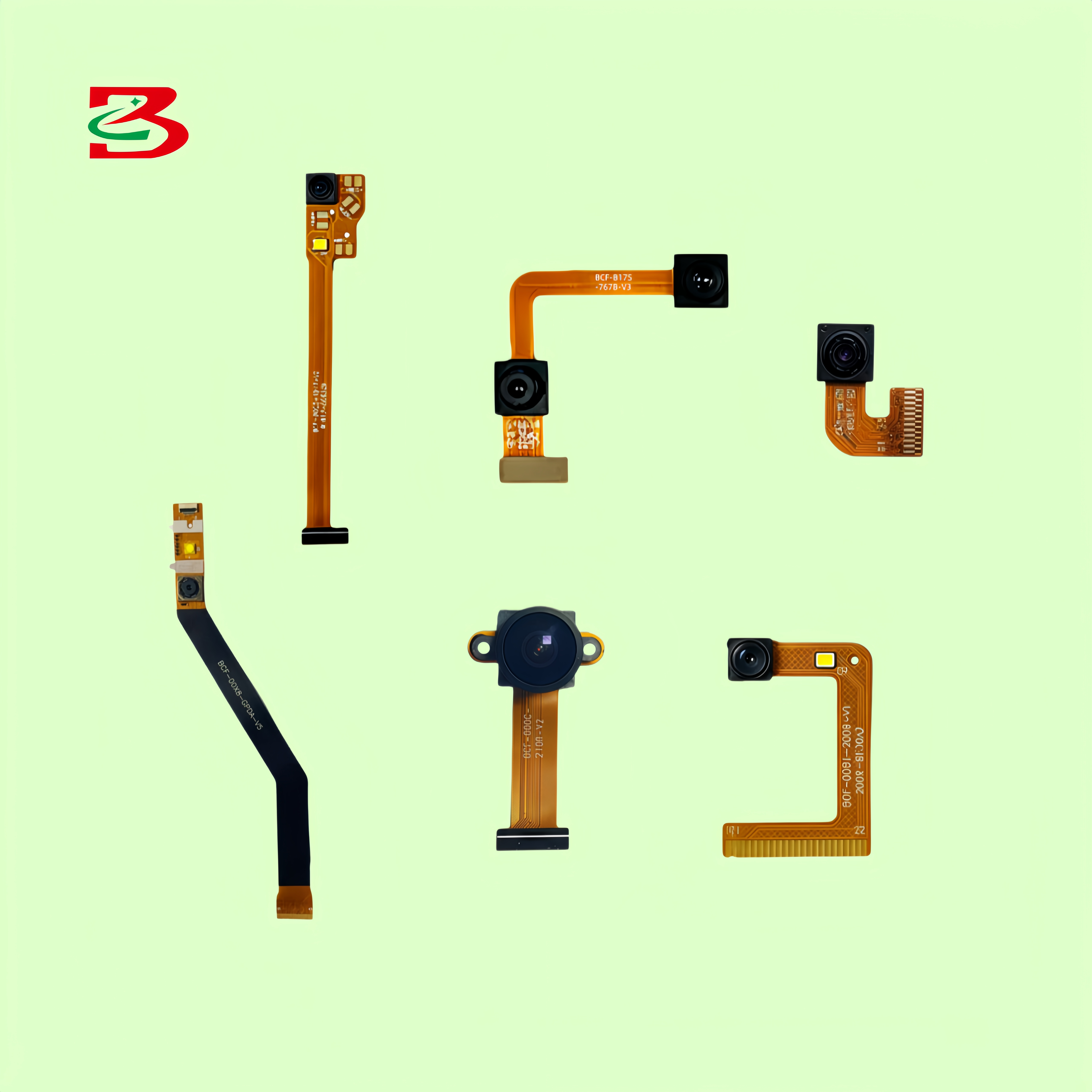
Selecting the right imaging technology is a critical decision in modern industrial and consumer applications. The choice between autofocus camera modules and fixed-focus camera modules fundamentally shapes system performance, cost structure, and deployment flexibility. While both autofocus camera modules and fixed-focus variants serve essential roles across industries, understanding when to deploy each technology prevents costly project delays and optimization failures. This guide dissects the distinct advantages, limitations, and real-world suitability of autofocus camera modules versus fixed-focus designs, enabling engineers and product managers to make informed decisions aligned with specific operational demands.
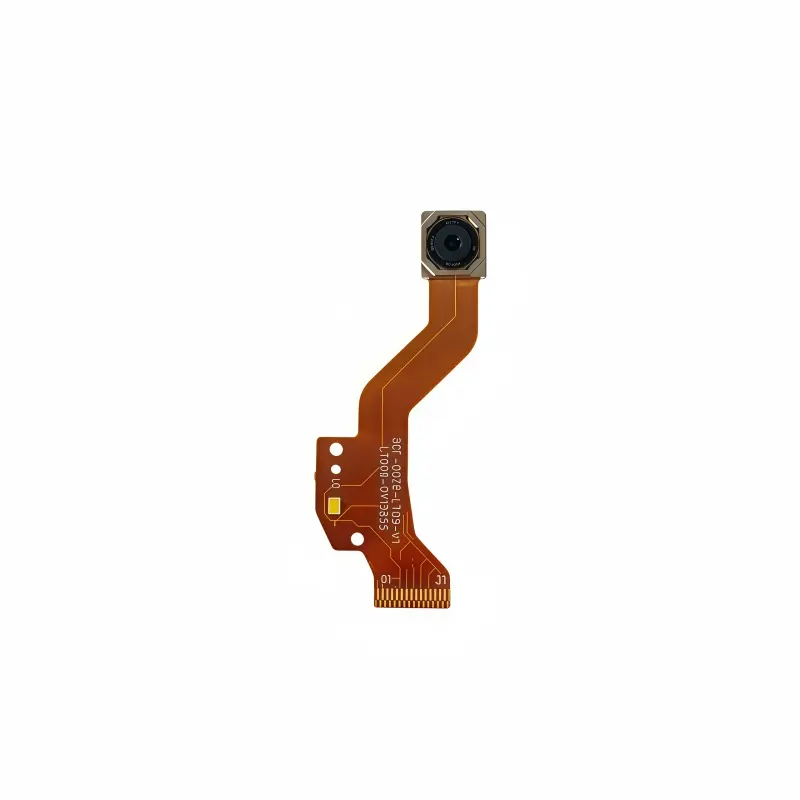
Modern imaging applications demand precision, reliability, and cost efficiency in equal measure. Autofocus camera modules bring dynamic focusing capability that adapts to changing subject distances and environmental conditions, while fixed-focus camera modules offer simplicity, durability, and predictable behavior in controlled environments. The decision between these technologies cannot rely on general assumptions; it requires systematic analysis of application-specific factors including subject movement patterns, lighting conditions, depth of field requirements, power budgets, and total cost of ownership. This comprehensive exploration reveals how autofocus camera modules and fixed-focus alternatives align with distinct industrial and commercial use cases.
Understanding Autofocus and Fixed-Focus Camera Module Technologies
How Autofocus Camera Modules Operate
Autofocus camera modules employ mechanical or electronic systems to continuously or on-demand adjust lens focus, maintaining sharp image capture across varying subject distances. These autofocus camera modules utilize contrast detection, phase detection, or laser-assisted focusing mechanisms to measure subject distance and drive lens elements into optimal focal position. The sophistication of autofocus camera modules enables real-time adaptation to environmental changes, subject movement, and depth variations without manual intervention or fixed-distance assumptions. Power consumption in autofocus camera modules scales with focusing frequency and motor complexity, making power management a critical design consideration in battery-powered applications.
Fixed-Focus Camera Module Characteristics
Fixed-focus camera modules integrate lens assemblies optimized for a specific focal plane, typically set at distances between 10 centimeters and infinity depending on optical design. These streamlined camera modules eliminate mechanical actuators, autofocus circuitry, and dynamic focusing logic, resulting in deterministic performance and minimal power draw. Fixed-focus design prioritizes hyperfocal distance optimization, where acceptable sharpness spans a defined range from near to far distances. This inherent simplicity makes fixed-focus camera modules exceptionally reliable in harsh industrial environments, high-vibration applications, and cost-sensitive deployments where autofocus complexity would introduce unacceptable failure risk.
Application Scenarios Where Autofocus Camera Modules Excel
Dynamic Distance and Variable Subject Positioning
Autofocus camera modules prove indispensable when subject distance fluctuates unpredictably or changes continuously during operation. Mobile robotics, autonomous vehicles, and handheld inspection devices rely on autofocus camera modules to maintain image clarity regardless of subject proximity shifts. Document scanning applications, retail checkout systems, and logistics automation equally benefit from autofocus camera modules because objects arrive at varying distances and orientations. The adaptive nature of autofocus camera modules eliminates refocusing delays and maintains consistent image quality across depth ranges that would blur under fixed-focus constraints.
Consumer and Professional Imaging Applications
Consumer smartphones, tablets, and portable cameras standardized autofocus camera modules as the expected imaging capability. Professional photography, videography, and content creation workflows depend entirely on autofocus camera modules to track subjects, maintain focus during pans, and deliver publication-ready results. Surveillance systems protecting large open spaces utilize autofocus camera modules to keep both foreground and background subjects in acceptable focus during continuous monitoring. These autofocus camera modules often incorporate continuous autofocus modes that track moving subjects in real time, a capability that fixed-focus systems cannot replicate regardless of optical design.
Medical and Precision Inspection Imaging
Endoscopic imaging, surgical visualization, and laboratory microscopy increasingly integrate autofocus camera modules to eliminate manual focusing adjustments during critical procedures. Dental imaging, ophthalmological diagnostics, and dermatological examination tools demand autofocus camera modules to ensure sharp capture at slightly varying working distances. Industrial defect detection, quality assurance imaging, and non-destructive testing applications employ autofocus camera modules when components present surface variations or measurement uncertainty. The precision and reliability of autofocus camera modules in these contexts directly impact diagnostic accuracy and operational safety.
Application Scenarios Where Fixed-Focus Camera Modules Excel
Fixed-Distance Industrial and Manufacturing Environments
Manufacturing assembly lines, packaging operations, and quality control checkpoints benefit substantially from fixed-focus camera modules because subject distance remains constant and precisely controlled. Barcode scanning, machine vision for part orientation, and color inspection systems utilize fixed-focus camera modules optimized for their specific working distance. Traffic monitoring, parking structure surveys, and perimeter security systems employ fixed-focus camera modules where subject distance variations remain within acceptable depth-of-field ranges. These deployments eliminate autofocus complexity because environmental conditions and subject positioning remain predictable and engineered for the fixed-focus design parameters.
Cost-Sensitive and Power-Limited Applications
Internet of Things devices, battery-powered sensors, and edge computing modules select fixed-focus camera modules to minimize power consumption and reduce bill-of-materials costs. Wireless surveillance devices, remote monitoring systems, and solar-powered inspection platforms depend on fixed-focus camera modules because energy budgets exclude the continuous motor operation inherent in autofocus camera modules. Pet cameras, wildlife monitoring, and home security systems often employ fixed-focus camera modules optimized for typical home surveillance distances. The long operational lifetime and minimal maintenance requirements of fixed-focus camera modules appeal to applications where device replacement or servicing presents logistical challenges or cost barriers.
Harsh Environmental and High-Reliability Deployments
Extreme temperature environments, high-vibration industrial sites, and underwater or submersible applications strongly favor fixed-focus camera modules because moving mechanical elements introduce failure vectors. Military vehicles, aviation systems, and aerospace platforms utilize fixed-focus camera modules where autofocus mechanisms would suffer reliability degradation. Oil and gas exploration equipment, mining operations, and hazardous-area inspections depend on fixed-focus camera modules because environmental stresses and maintenance accessibility constraints make autofocus mechanisms impractical. The robust, seal-able design of fixed-focus camera modules supports deployment in conditions where autofocus camera modules would require protective enclosures or frequent recalibration.
Key Selection Criteria and Decision Framework
Evaluating Subject Distance Variability
The primary differentiator between autofocus camera modules and fixed-focus alternatives centers on subject distance predictability. Applications where subject distance varies beyond the depth-of-field range of fixed-focus camera modules absolutely require autofocus camera modules. Conversely, when working distance remains constant or confined within the hyperfocal depth-of-field zone, fixed-focus camera modules deliver superior simplicity and reliability. Documenting subject distance ranges, identifying anticipated variations, and calculating required depth of field provides the quantitative foundation for this critical decision. Many applications initially appearing to need autofocus camera modules actually function acceptably with carefully optimized fixed-focus camera modules when depth-of-field analysis proceeds systematically.
Power Budget and Operational Constraints
Battery-powered devices, energy-harvested systems, and solar-charged platforms must carefully account for the power draw of autofocus camera modules, particularly during active focusing cycles. Fixed-focus camera modules consume negligible power since no mechanical adjustment occurs after initial assembly, making them ideal for extended-operation scenarios where battery replacement or charging presents impractical challenges. Environmental monitoring systems, wildlife tracking devices, and remote sensor networks frequently select fixed-focus camera modules based on power efficiency alone. Weighing the operational value of dynamic focusing against battery longevity and replacement costs provides clarity on whether autofocus camera modules justify their power overhead.
Cost Structure and Volume Economics
Fixed-focus camera modules command lower unit costs than comparable autofocus camera modules due to simplified mechanical design and reduced component count. High-volume consumer applications often absorb autofocus camera module costs through market expectations and feature differentiation. Industrial deployments, conversely, require rigorous cost-benefit analysis because modest volume runs make autofocus camera modules economically marginal. Systems integrators must balance per-unit cost, system complexity, potential field failures, and warranty obligations when deciding whether autofocus camera modules add sufficient value to justify premium pricing. Total cost of ownership analysis, rather than isolated component pricing, provides the appropriate framework for these financial decisions.
FAQ
Can autofocus camera modules function reliably in extreme temperature environments?
Autofocus camera modules operate within manufacturer-specified temperature ranges, typically minus ten to fifty degrees Celsius for commercial variants. Extreme cold may slow or disable autofocus mechanisms temporarily, while extreme heat can degrade optical coatings and electrical components. Fixed-focus camera modules handle temperature extremes more robustly because no mechanical elements move or require calibration adjustment. For deployments beyond standard temperature ranges, thermal analysis, component selection review, and environmental testing prove essential before specifying autofocus camera modules in high-temperature or cryogenic applications.
What optical and mechanical differences exist between autofocus camera modules and fixed-focus designs?
Autofocus camera modules incorporate voice coil motors, piezoelectric actuators, or stepper motors coupled to movable lens elements for focus adjustment. These mechanical subsystems require precision engineering, electronic control circuitry, and integration complexity absent in fixed-focus camera modules. Fixed-focus camera modules use permanently positioned lens assemblies optimized for hyperfocal performance at the intended working distance. Autofocus camera modules typically offer faster response to focus changes, while fixed-focus camera modules provide consistent optical performance without mechanical drift or recalibration requirements across product lifetime.
How should system designers choose between autofocus camera modules and fixed-focus alternatives?
Systematic evaluation should begin with documenting subject distance ranges, calculating required depth of field, and comparing against fixed-focus camera module optical performance specifications. Applications with variable subject distances exceeding depth-of-field capacity must employ autofocus camera modules; those within depth-of-field limits can select fixed-focus alternatives. Power budgets, cost constraints, reliability requirements, and environmental conditions further narrow the selection. Prototyping with both autofocus camera modules and optimized fixed-focus variants under representative operating conditions provides definitive performance data and reduces deployment risk.