
 EN



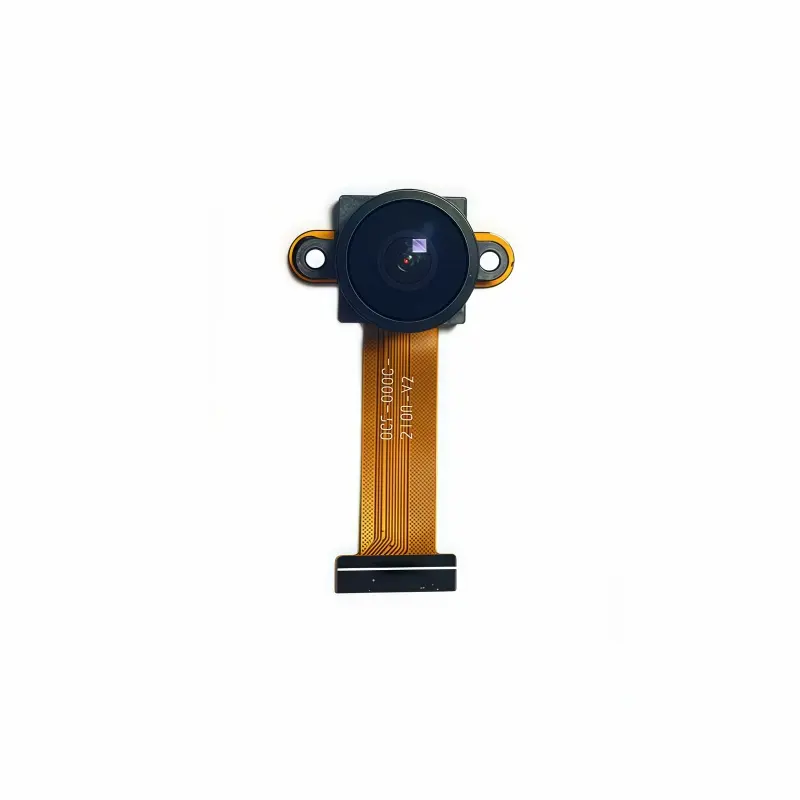
Camera modules represent critical components in modern embedded systems, industrial equipment, and consumer electronics. The choice between different MIPI camera interface standards and traditional alternatives significantly impacts system performance, power efficiency, and integration complexity. Understanding the distinctions between MIPI camera interface designs and DVP (Digital Video Port) protocols helps engineers and product managers make informed decisions about which camera architecture best serves their specific application requirements.
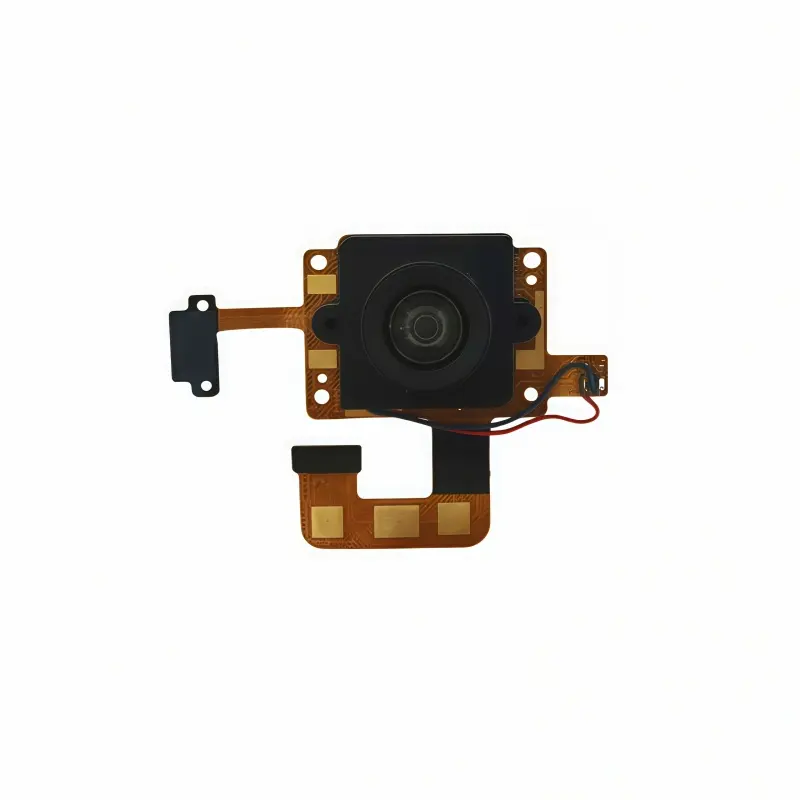
The MIPI camera interface and DVP technology represent two distinct philosophies in visual data transmission. MIPI camera interface architecture emphasizes serial data transfer with reduced pin counts and lower power consumption, while DVP relies on parallel data pathways with wider physical pin requirements. These fundamental differences cascade throughout system design, affecting everything from circuit board layout to processor resource allocation to overall product cost structure.
MIPI Camera Interface Architecture and Advantages
Serial Data Transmission and Pin Efficiency
The MIPI camera interface utilizes serial data transmission protocols that consolidate visual information into high-speed differential pairs rather than spreading data across multiple parallel pins. This serial architecture means a MIPI camera interface requires significantly fewer physical pins compared to DVP implementations. Where DVP cameras might demand 24 or more pins to transmit 8-bit parallel data plus control signals, a MIPI camera interface accomplishes the same data transfer with just a handful of dedicated lanes, typically two or four differential pairs plus clock and control lines. This pin reduction directly translates to smaller circuit board footprints and enables the design of more compact camera modules suitable for space-constrained applications like smartphones, drones, and medical imaging devices.
Power Efficiency and Low-Power Operation
The MIPI camera interface inherently consumes less electrical power than parallel DVP approaches because serial transmission requires fewer active signal lines. Power dissipation in digital circuits correlates directly with the number of switching pins and their switching frequency. A MIPI camera interface reduces both factors simultaneously. Additionally, MIPI protocols support dynamic power management features that allow the camera interface to enter low-power states during idle periods. Battery-powered devices, IoT sensors, and edge computing applications benefit substantially from the MIPI camera interface's reduced power footprint. Engineers designing systems where battery life or thermal management presents critical constraints frequently select a MIPI camera interface as the optimal technology choice.
DVP Interface Characteristics and Practical Limitations
Parallel Data Architecture and Bandwidth Considerations
Digital Video Port technology represents an older parallel interface standard where camera data flows across multiple pins simultaneously, typically 8, 10, 12, 16, or 24 bits wide depending on the specific implementation and color depth requirements. This parallel architecture meant that each pixel data bit occupies its own dedicated signal line, requiring substantial physical connections between the camera module and the host processor. While parallel transmission offers straightforward signal integrity at moderate speeds, the approach becomes increasingly problematic at higher resolutions and faster frame rates. DVP implementations face timing challenges when clock frequencies approach hundreds of megahertz because managing signal synchronization across numerous parallel lines introduces skew and introduces electromagnetic interference concerns that don't affect a MIPI camera interface to the same degree.
Space and Integration Constraints
The parallel pin requirements of DVP technology create significant integration challenges in miniaturized devices and densely packed circuit boards. A typical DVP camera connector requires substantially more board space than a MIPI camera interface connector because of the higher pin count and associated routing complexity. This limitation becomes particularly acute in modern form factors where millimeter-level dimensions matter. Additionally, DVP's pin-heavy design increases the risk of signal integrity problems, crosstalk between adjacent pins, and manufacturing defects during assembly. The MIPI camera interface's lower pin count and differential signaling approach provide superior noise immunity and allow reliable operation across shorter distances without signal degradation, making it the preferred choice for next-generation consumer and industrial equipment.
Application Scenarios and Selection Criteria
High-Resolution and Mobile Device Applications
Modern smartphones, tablets, and portable medical devices almost universally employ the MIPI camera interface standard because these applications demand ultra-compact form factors, exceptional battery efficiency, and support for high-resolution sensors producing megapixel-level imagery. A MIPI camera interface enables seamless integration of multiple camera modules in a single device because the serial architecture consumes minimal physical space and power. Industrial applications including autonomous vehicles, surveillance systems, and medical imaging also gravitate toward the MIPI camera interface due to its superior capability to sustain high frame rates and multi-camera configurations without overwhelming system resources. The MIPI camera interface has become the de facto standard across consumer electronics and advanced industrial segments.
Legacy Systems and Cost-Sensitive Embedded Projects
Certain legacy industrial systems, older processor platforms, and cost-sensitive embedded projects may still rely on DVP technology because historical hardware designs were optimized around parallel interfaces. Some older microcontroller families and system-on-chip designs include native DVP support without requiring separate interface bridges or specialized image signal processors. In these constrained scenarios, adopting DVP might represent the most economical path forward despite the technology's inherent limitations. However, new equipment designs almost uniformly select a MIPI camera interface because the technology gaps have narrowed while the architectural advantages of the MIPI camera interface have become increasingly compelling across cost, performance, and integration dimensions.
FAQ
What is the primary difference between MIPI and DVP camera interfaces?
The MIPI camera interface uses serial transmission with fewer pins and lower power consumption, while DVP uses parallel data paths requiring more physical pins and higher power draw. A MIPI camera interface achieves superior density and efficiency, making it the standard choice for modern compact devices and high-resolution imaging applications.
Can a DVP camera module be used as a substitute for a MIPI camera interface module?
DVP and MIPI camera interface modules are not directly interchangeable because they employ fundamentally different electrical interfaces and communication protocols. Converting between them requires specialized interface bridges or signal conversion hardware that adds complexity and cost. For new designs, selecting native MIPI camera interface support eliminates this conversion overhead and ensures optimal performance.
Why are smartphones and modern devices standardized on MIPI camera interface technology?
The MIPI camera interface became the standard in mobile and portable devices because it delivers the compact form factor, low power consumption, and high-speed capability required by these applications. Modern processors and image signal processors universally support the MIPI camera interface natively. Additionally, a MIPI camera interface enables multiple camera modules to operate simultaneously without exhausting system resources, which is essential for contemporary multi-camera smartphone designs and professional imaging equipment.