
 EN



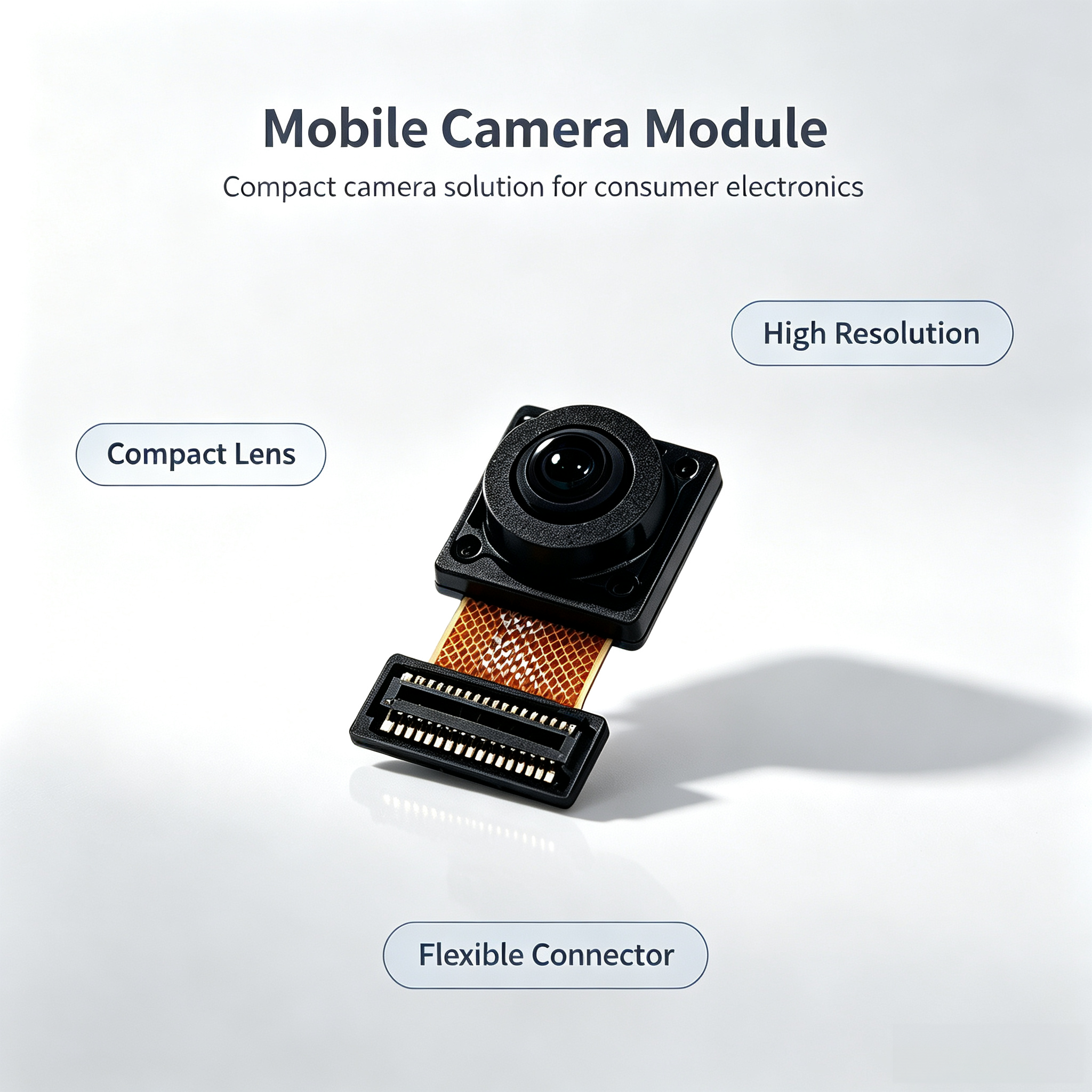
Low-Light Camera Modules are essential components in modern face recognition access control systems, enabling reliable identity verification even in challenging lighting conditions. As security infrastructure becomes increasingly sophisticated, understanding the technical parameters that define Low-Light Camera Modules performance becomes critical for system integrators, facility managers, and security professionals. The ability to capture clear facial features in darkness, dim corridors, or low-visibility environments directly impacts the effectiveness of access control deployments.
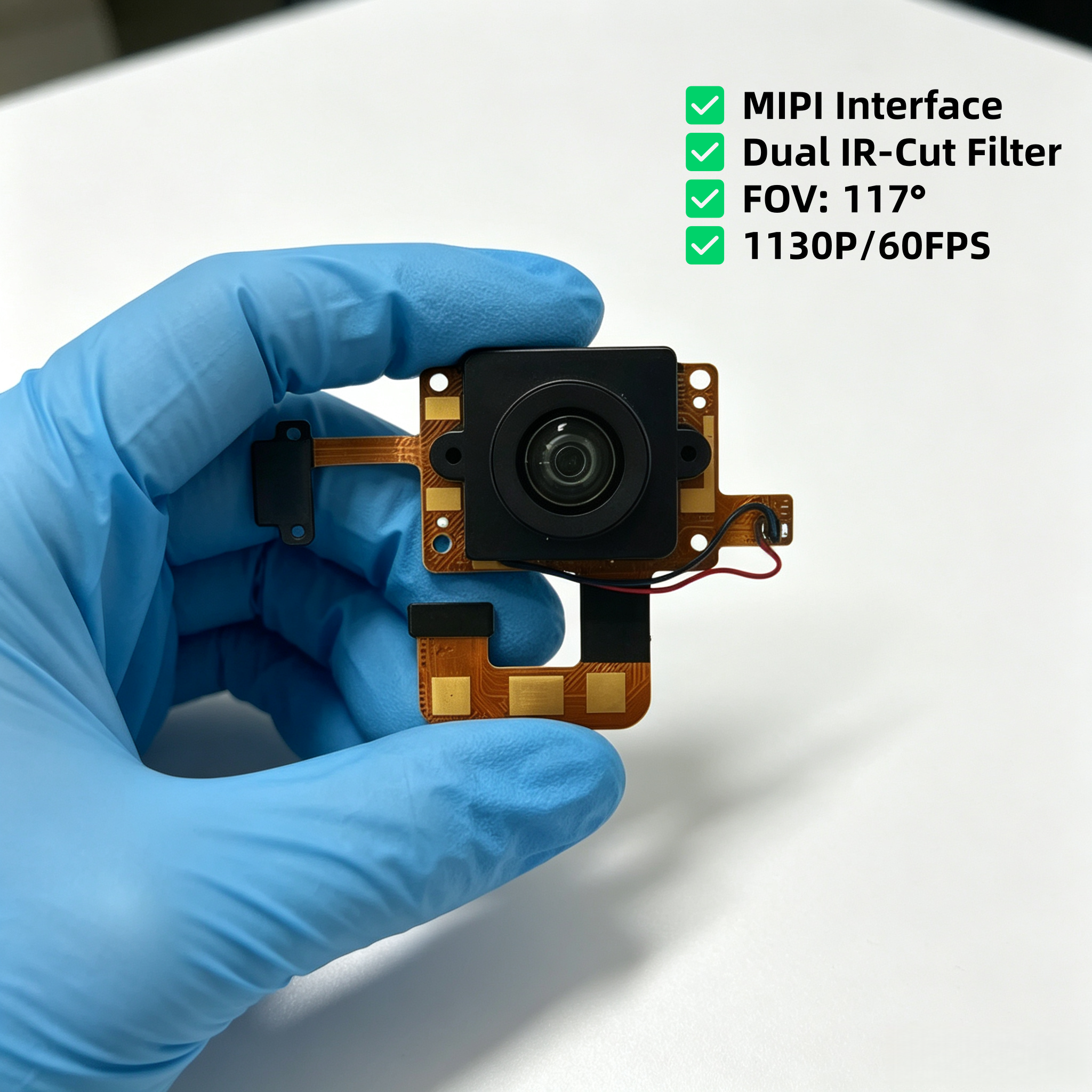
This comprehensive guide explores the full parameter specifications of Low-Light Camera Modules used in face recognition access control systems. By examining sensor technology, lens specifications, image processing capabilities, and performance metrics, you will gain the knowledge necessary to evaluate, select, and deploy Low-Light Camera Modules that meet your specific security requirements and environmental conditions.
Sensor Technology and Image Capture Specifications
CMOS and CCD Sensor Options
Low-Light Camera Modules typically utilize either CMOS or CCD sensor technology, each offering distinct advantages for low-light performance. CMOS sensors dominate modern Low-Light Camera Modules due to lower power consumption, faster readout speeds, and better integration with digital processing circuits. CCD sensors, while less common in contemporary Low-Light Camera Modules, deliver superior image quality in extremely dark environments through superior charge transfer efficiency. The choice between CMOS and CCD in Low-Light Camera Modules affects overall system power budget, processing requirements, and image latency in access control installations.
Pixel Size and Sensitivity Parameters
Pixel size directly determines the light-gathering capability of Low-Light Camera Modules, with larger pixels collecting more photons and producing cleaner images at low illumination levels. Modern Low-Light Camera Modules feature pixel sizes ranging from 1.4 to 4.0 micrometers, with larger pixels delivering superior low-light sensitivity at the expense of resolution. Sensitivity specifications, measured in decibels or ISO equivalents, indicate how effectively Low-Light Camera Modules amplify weak signals. Higher sensitivity ratings in Low-Light Camera Modules enable face recognition at illumination levels below 0.1 lux, critical for parking garages, stairwells, and emergency situations where backup lighting may be unavailable.
Lens and Optical System Parameters
Focal Length and Field of View Configuration
The focal length of Low-Light Camera Modules directly impacts the field of view and facial recognition accuracy at specific distances. Standard Low-Light Camera Modules for access control typically feature focal lengths between 2.8mm and 8mm, balancing wide coverage areas with sufficient facial detail capture. A 2.8mm lens in Low-Light Camera Modules provides approximately 100-degree horizontal field of view, suitable for broad entrance monitoring. Longer focal lengths in Low-Light Camera Modules, such as 6mm or 8mm, narrow the field of view to 30-50 degrees, enabling detailed facial capture at longer distances but covering smaller entrance areas. Selecting appropriate Low-Light Camera Modules focal length requires analyzing installation geometry, recognition distance requirements, and coverage priorities.
Aperture Rating and Light Transmission
Aperture specifications in Low-Light Camera Modules, expressed as f-numbers such as f/1.2 or f/2.0, determine the maximum light transmission through the optical system. Lower f-numbers indicate wider apertures in Low-Light Camera Modules, allowing greater light penetration and superior low-light performance. An f/1.2 aperture in Low-Light Camera Modules transmits approximately four times more light than an f/2.4 aperture under identical conditions. Glass versus plastic lens materials impact optical quality in Low-Light Camera Modules, with glass lenses offering superior contrast and aberration correction for demanding access control applications. Multi-element lens designs in premium Low-Light Camera Modules reduce distortion and maintain facial feature clarity across the entire image frame.
Image Processing and Performance Parameters
Dynamic Range and Exposure Control
Dynamic range specifications in Low-Light Camera Modules indicate the ratio between the brightest and darkest areas a camera can capture simultaneously. Wide dynamic range capabilities in Low-Light Camera Modules, typically 80-120 decibels, prevent facial features from washing out when entrance areas have mixed lighting, such as bright doorways adjacent to dark interiors. Low-Light Camera Modules with high dynamic range preserve facial details in backlighting scenarios while maintaining recognition capability in shadows. Automatic exposure control algorithms in Low-Light Camera Modules adjust integration times and gain settings in real-time, optimizing image quality as ambient light conditions change throughout day-night cycles.
Infrared Enhancement and Night Vision Integration
Many Low-Light Camera Modules incorporate infrared LEDs or support external infrared illumination, enabling face recognition in complete darkness. Passive infrared sensitivity in Low-Light Camera Modules captures ambient infrared radiation, while active infrared Low-Light Camera Modules project controlled IR patterns for consistent facial illumination. The wavelength of infrared LEDs paired with Low-Light Camera Modules typically ranges from 850nm to 940nm, with 850nm providing visible feedback and 940nm delivering covert operation. Image processing algorithms in Low-Light Camera Modules compensate for infrared artifacts and enhance facial features, ensuring recognition accuracy remains consistent between visible and infrared image capture modes.
Frame Rate and Temporal Processing
Frame rate capabilities in Low-Light Camera Modules, measured in frames per second, affect real-time processing responsiveness and motion blur characteristics. Standard Low-Light Camera Modules deliver 25-30 fps for continuous monitoring, sufficient for access control applications where subjects approach entrances at walking speeds. Higher frame rates in specialized Low-Light Camera Modules, up to 60 fps, reduce motion blur and improve capture consistency when multiple people enter simultaneously. Rolling shutter implementation in Low-Light Camera Modules can introduce artifacts during rapid motion, while global shutter designs in premium Low-Light Camera Modules eliminate motion distortion entirely, critical for high-speed access scenarios.
Resolution and Facial Recognition Requirements
Megapixel Specifications and Recognition Distance
Resolution specifications in Low-Light Camera Modules, ranging from 1 megapixel to 5 megapixels, directly correlate with facial recognition accuracy at various distances. Low-Light Camera Modules with 2-megapixel resolution provide optimal balance between light sensitivity and facial detail, capturing approximately 100 pixels across face width at 1.5-meter distances. Higher resolution Low-Light Camera Modules, such as 5-megapixel versions, enable recognition from greater distances but require increased sensor size and light sensitivity adjustments. Lower resolution Low-Light Camera Modules, 1-megapixel designs, excel in extremely dim environments where photon scarcity demands maximum pixel size for noise reduction, though recognition range limitations require closer positioning or multiple entrance points.
Aspect Ratio and Output Format
Output format specifications in Low-Light Camera Modules include resolution dimensions and aspect ratios, standardized as 1080p, 720p, or custom resolution configurations. 1080p output in Low-Light Camera Modules delivers 1920×1080 pixels, providing ample facial detail for access control matching. Custom resolution options in specialized Low-Light Camera Modules accommodate interface constraints or processing bandwidth limitations in legacy access control systems. Color depth specifications in Low-Light Camera Modules, typically 8-bit per channel for RGB or 8-bit for monochrome, impact image file size and transmission bandwidth while maintaining recognition accuracy.
Interface and Integration Parameters
Signal Output and Protocol Support
Interface standards supported by Low-Light Camera Modules determine integration compatibility with access control platforms and system architectures. USB output Low-Light Camera Modules simplify integration with standard computers and edge processing devices. MIPI CSI-2 interface Low-Light Camera Modules connect directly to embedded processors and system-on-chip platforms, reducing system complexity. Ethernet and Power-over-Ethernet capable Low-Light Camera Modules enable remote installation and centralized power delivery through single cable deployment. Analog video output options in legacy Low-Light Camera Modules support existing coaxial infrastructure, though digital interfaces in modern Low-Light Camera Modules deliver superior image quality and bandwidth efficiency.
Power Consumption and Thermal Management
Power consumption specifications in Low-Light Camera Modules impact battery backup requirements and thermal design considerations for enclosed installations. Typical Low-Light Camera Modules consume 200-800 milliwatts during normal operation, with infrared illumination adding 500-2000 milliwatts depending on LED brightness. Temperature operating ranges in Low-Light Camera Modules typically span 0 to 50 degrees Celsius for standard models, with extended-range Low-Light Camera Modules supporting -20 to 60 degrees Celsius for harsh environments. Thermal imaging in premium Low-Light Camera Modules enables self-monitoring of sensor temperature, automatically throttling performance to prevent overheating during sustained operation in enclosed or high-ambient-temperature installations.
FAQ
What low illumination levels do Low-Light Camera Modules support for face recognition?
Low-Light Camera Modules optimized for face recognition typically maintain accurate identification at illumination levels as low as 0.01 lux, equivalent to starlight visibility. Standard Low-Light Camera Modules achieve reliable recognition down to 0.1 lux, sufficient for most indoor access control scenarios. Specifications vary by sensor size, aperture rating, and infrared illumination availability, with passive Low-Light Camera Modules performing less effectively than those with integrated infrared support below 0.5 lux.
How do Low-Light Camera Modules balance image sensitivity with thermal noise management?
Low-Light Camera Modules employ multi-stage noise reduction algorithms, operating at the sensor level through binning and integration time optimization, and at the image processing stage through spatial and temporal filtering. Advanced Low-Light Camera Modules implement machine learning-based denoising that distinguishes facial features from random noise patterns, preserving recognition-critical detail while eliminating thermal artifacts. Temperature-compensated designs in premium Low-Light Camera Modules automatically adjust processing parameters as sensor temperature fluctuates, maintaining consistent image quality throughout operational cycles.
Which resolution and frame rate combination works best for busy entrance monitoring with Low-Light Camera Modules?
For high-traffic entrances, Low-Light Camera Modules with 2-3 megapixel resolution and 30 fps frame rate deliver optimal balance between facial detail capture and processing bandwidth. Lower frame rates in Low-Light Camera Modules, 10-15 fps, risk missing individuals during peak traffic but reduce data storage and transmission requirements. Higher resolution Low-Light Camera Modules, 4-5 megapixels at 30 fps, enable recognition from greater distances but demand increased processing power and storage infrastructure in access control systems managing multiple simultaneous captures.