
 EN



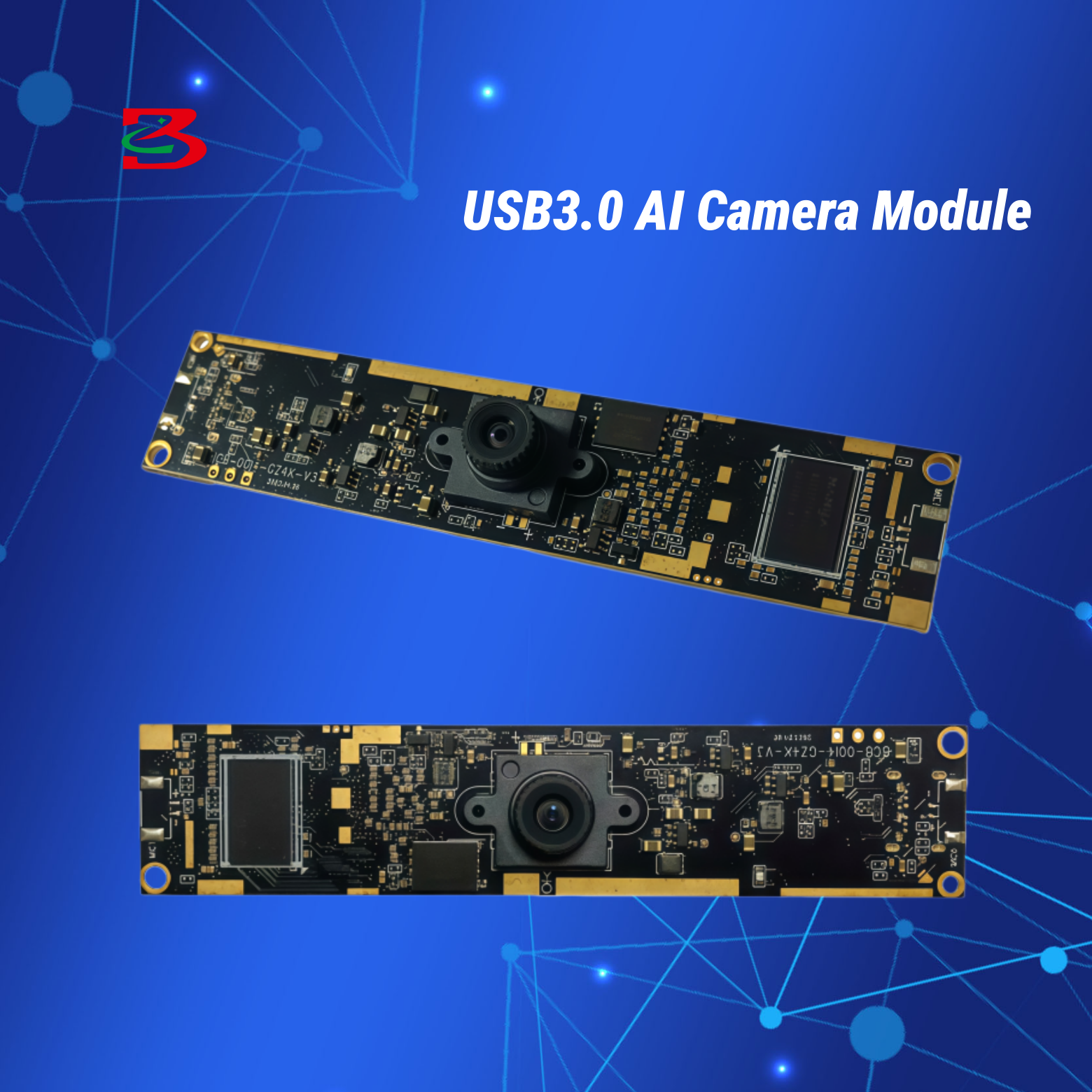
When evaluating imaging solutions for industrial applications, security systems, or embedded devices, many decision-makers assume that higher megapixel counts automatically translate to superior image quality. This assumption has become one of the most persistent myths in the industry, leading businesses to purchase camera modules that fail to meet their actual performance requirements. Understanding why megapixels do not equal image quality is essential for anyone responsible for selecting camera modules for critical applications.
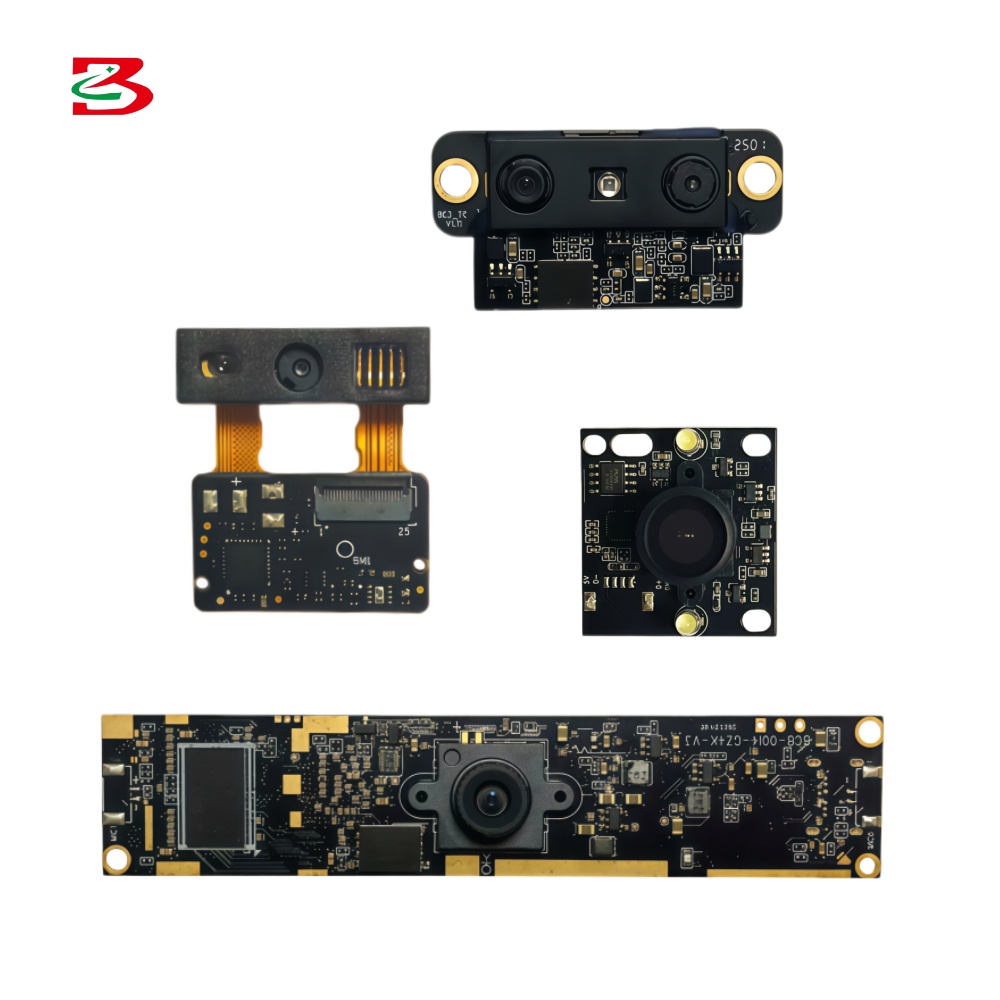
The reality is that camera modules depend on numerous interrelated factors beyond pixel count, including lens quality, sensor size, light sensitivity, optical distortion control, and signal processing capabilities. When selecting camera modules for your project, each of these elements plays a critical role in determining whether your final images will be sharp, accurate, and suitable for their intended purpose. This guide explores the key factors that genuinely impact image quality and provides practical guidance for avoiding common purchasing pitfalls.
Why Megapixels Alone Cannot Define Camera Module Performance
The Megapixel Misconception in Camera Modules
Camera modules with high megapixel ratings often deliver disappointing results because megapixels only measure the number of individual sensors on a chip, not their ability to capture light or produce sharp images. When manufacturers pack more pixels into the same sensor size, each pixel becomes smaller, reducing the light-gathering capacity of individual camera modules. This trade-off means that a 16-megapixel camera module might produce noisier, blurrier images than an 8-megapixel camera modules with larger, more sensitive pixels under identical lighting conditions.
The confusion arises because consumers often equate pixel count with resolution, a relationship that becomes problematic in camera modules designed for real-world applications. While resolution does increase with pixel count, the practical benefits disappear when individual pixels cannot function effectively. Industrial camera modules, security camera modules, and embedded vision camera modules all suffer when vendors prioritize megapixel ratings over sensor quality and optical engineering.
Sensor Size and Pixel Performance in Camera Modules
The physical dimensions of the sensor fundamentally determine how effectively camera modules can perform. Larger sensors allow for bigger individual pixels that capture more photons, resulting in better low-light performance and less electronic noise in camera modules. A 1/3-inch sensor in premium camera modules will typically outperform a 1/4-inch sensor with identical megapixel counts, yet many purchasing decisions ignore this critical specification when evaluating camera modules.
When examining specifications for camera modules, always cross-reference the megapixel rating against the sensor size and pixel pitch. Pixel pitch, measured in micrometers, indicates how much space each individual pixel occupies on the sensor. Camera modules with pixel pitches above 1.4 micrometers generally offer superior performance compared to cramped camera modules with pixel pitches below 1.0 micrometer, even if the latter claims higher megapixel ratings.
Critical Factors That Actually Determine Image Quality in Camera Modules
Optical Design and Lens Quality in Camera Modules
The lens is often the most underestimated component when selecting camera modules. A premium lens combined with modest-megapixel camera modules consistently outperforms poor optics paired with high-megapixel sensors. Lens aberrations, including chromatic aberration, spherical distortion, and vignetting, directly compromise image sharpness regardless of how many pixels your camera modules contain. Fixed-focus camera modules designed with multi-element lens designs provide superior optical correction compared to simpler single-element designs in cheaper camera modules.
Distortion control becomes especially critical when camera modules are used for dimensional analysis, quality inspection, or surveillance requiring wide field-of-view capture. Water-drop lens designs in specialized camera modules provide expanded viewing angles while maintaining edge sharpness, making them superior choices for many applications compared to standard lens camera modules with higher megapixel counts. Evaluating the lens design, coating quality, and distortion specifications of camera modules matters far more than chasing megapixel numbers.
Signal Processing and Dynamic Range in Camera Modules
Modern camera modules rely on sophisticated signal processing algorithms to convert raw sensor data into usable images. Two camera modules with identical sensors can produce vastly different results depending on their processing pipelines. Dynamic range, the ratio between the brightest and darkest information a sensor can capture, is particularly important in camera modules designed for real-world lighting conditions where shadows and highlights coexist.
High-quality camera modules implement advanced tone mapping, noise reduction, and white balance algorithms that preserve detail in both bright and dark areas simultaneously. Budget camera modules often lack these refinements, resulting in blown-out highlights or crushed shadows despite having impressive megapixel ratings. When evaluating camera modules, examine sample images captured under varied lighting conditions rather than trusting megapixel specifications alone.
Interface Standards and Integration Considerations
The communication protocol used by camera modules significantly impacts system integration and image delivery performance. MIPI camera modules have become standard in mobile and embedded applications because they provide high bandwidth while consuming minimal power compared to parallel interface camera modules. When selecting camera modules for embedded systems or IoT devices, compatibility with your platform's MIPI CSI-2 receiver directly influences whether the full image quality potential will be realized.
Camera modules connected through inadequate interfaces may not deliver their full capabilities because data compression or bandwidth limitations degrade image transmission. Customizable camera modules that allow adjustment of resolution, frame rate, and output format provide flexibility to optimize performance for specific applications without paying for unused megapixel capacity. This approach often yields better practical results than purchasing overly-specced camera modules that exceed your actual requirements.
Practical Framework for Selecting Camera Modules
Matching Camera Modules to Application Requirements
The first step in avoiding camera modules selection pitfalls involves clearly defining what image quality actually means for your specific application. High-resolution camera modules serve little purpose if your system compresses images, displays them on small screens, or processes them at reduced resolution. Security camera modules for facial recognition require different optimization than camera modules for document scanning, which differ from camera modules for astronomical observation or microscopy.
Begin by determining the minimum resolution required for your use case, then identify the lighting conditions where camera modules will operate. Camera modules designed for outdoor surveillance need different sensor technology and lens properties than camera modules for dimly-lit factory floors. Once you understand these constraints, evaluate candidate camera modules based on sensor size, pixel pitch, lens design, and processing capabilities rather than comparing megapixel ratings across products with different specifications.
Testing and Validation Before Deploying Camera Modules
Before committing to large-scale deployment of camera modules, always request sample images captured under conditions matching your intended application. Comparing image samples from candidate camera modules reveals details that specification sheets cannot communicate. Look for sharpness across the entire frame, accurate color reproduction, consistent performance across different lighting levels, and acceptable noise levels in the shadows.
Many vendors of camera modules offer engineering samples or evaluation kits enabling practical testing before purchase. Investing time in this validation phase prevents costly mistakes where camera modules arrive at your facility only to disappoint during actual deployment. Document your testing methodology and create standardized comparison criteria that align with how camera modules will function in your real environment, not in artificial laboratory conditions.
FAQ
Does a higher megapixel count guarantee better image quality from camera modules?
No, megapixels alone do not guarantee superior image quality in camera modules. Image quality depends on sensor size, pixel pitch, lens design, light sensitivity, dynamic range, and signal processing capabilities. A well-designed 8-megapixel camera module can consistently outperform a poorly-designed 20-megapixel camera module because individual pixel performance and optical quality matter far more than total pixel count. Always evaluate the complete specification of camera modules rather than fixating on megapixel ratings.
What specifications should I prioritize when comparing camera modules?
When comparing camera modules, prioritize sensor size, pixel pitch, lens quality, and distortion specifications over megapixel counts. Examine the dynamic range capability, low-light performance, and interface standards supported by camera modules. Request sample images from candidate camera modules captured under lighting conditions matching your actual application. Evaluate whether the interface and processing capabilities of camera modules align with your system architecture and performance requirements.
How can I avoid purchasing the wrong camera modules for my application?
Define your actual image quality requirements before evaluating camera modules, accounting for resolution needs, lighting conditions, and processing workflows. Test sample camera modules in conditions that mirror your real deployment environment. Compare candidate camera modules based on comprehensive specifications rather than marketing claims about megapixels. Consult with manufacturers of camera modules about optimization options and customization possibilities that might better serve your specific needs than standard off-the-shelf camera modules configurations.