
 EN



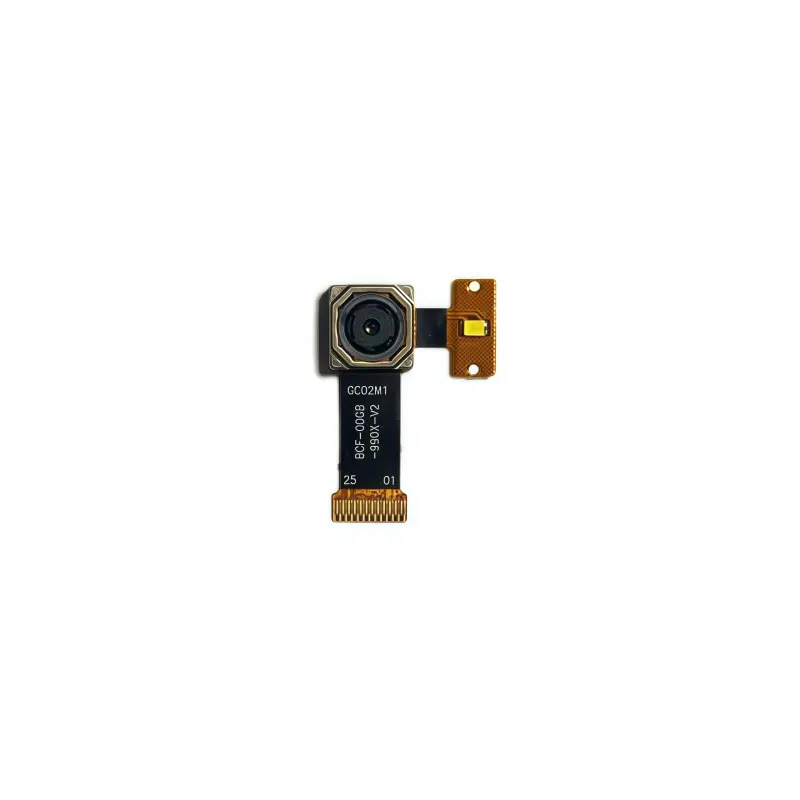
AI vision computing represents a fundamental shift in how machines perceive and interpret visual information in industrial and commercial environments. The integration of AI vision computing with modern camera modules creates powerful systems capable of real-time image analysis, object detection, and intelligent decision-making without human intervention. This collaboration between AI algorithms and camera hardware enables organizations to automate complex visual inspection tasks, enhance quality control processes, and unlock new operational efficiencies across manufacturing, logistics, healthcare, and surveillance sectors.
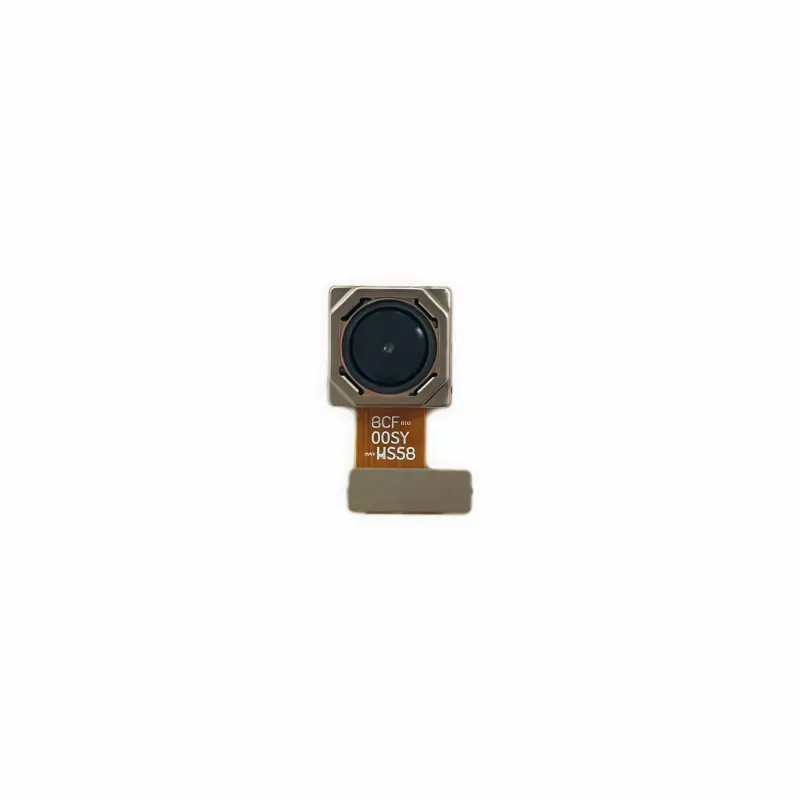
The synergy between AI vision computing and camera modules fundamentally depends on how these two components work together to process visual data at scale. Camera modules capture high-resolution images with precision optics, while AI vision computing algorithms interpret that data in milliseconds, identifying patterns, anomalies, and objects with accuracy that often exceeds human capability. This partnership transforms raw pixel data into actionable intelligence, making it essential for businesses seeking competitive advantage in increasingly automated markets.
The Core Architecture of AI Vision Computing Systems
How Camera Modules Feed Data Into AI Vision Computing
Camera modules serve as the sensory foundation for AI vision computing applications. These devices capture visual information across various wavelengths and resolutions, from standard RGB cameras to specialized infrared, multispectral, or 3D depth sensors. The camera module's specifications directly impact the quality of AI vision computing output, as higher resolution sensors, better low-light sensitivity, and wider dynamic range provide richer datasets for AI algorithms to analyze. When AI vision computing systems receive data from optimized camera modules, the algorithms can detect finer details, process images faster, and deliver more reliable results in challenging environmental conditions.
The interface between camera modules and AI vision computing processors must be seamless and low-latency. Modern implementations use USB 3.0, Gigabit Ethernet, or proprietary high-speed connections to stream image data continuously from the camera module to processing units. This real-time data flow is critical because AI vision computing relies on immediate feedback loops; delays between image capture and analysis can undermine the entire system's effectiveness in applications like quality inspection, robotic navigation, or autonomous systems where timing is crucial.
Edge Processing vs. Cloud-Based AI Vision Computing
AI vision computing can be deployed at the edge, directly on or near the camera module, or processed in cloud environments. Edge-based AI vision computing offers lower latency, better privacy protection, and independence from network connectivity, making it ideal for real-time industrial applications where every millisecond matters. Camera modules equipped with embedded AI processors handle image analysis locally, transmitting only processed results rather than raw video streams. Conversely, cloud-based AI vision computing allows organizations to leverage more powerful processors and update AI models frequently, though this approach introduces network dependency and potential privacy considerations regarding visual data transmission.
Integration Challenges and Solutions in AI Vision Computing
Optical and Sensor Alignment for Accurate AI Vision Computing
The physical characteristics of camera modules directly influence AI vision computing accuracy. Lens distortion, sensor noise, and calibration errors can propagate through the entire AI pipeline, causing the algorithms to learn from flawed input and generate unreliable outputs. Professional AI vision computing implementations require careful camera module selection, precise calibration routines, and environmental controls to ensure consistent image quality across thousands of processing cycles. This alignment between hardware precision and software expectations represents one of the most overlooked aspects of deploying robust AI vision computing systems in production environments.
Different applications demand different camera module specifications for optimal AI vision computing performance. For example, quality inspection in manufacturing requires high-resolution sensors and consistent lighting, while surveillance-based AI vision computing might prioritize wide dynamic range and low-light sensitivity. Medical imaging applications demand specialized camera modules with specific wavelength responses to support AI vision computing algorithms trained on those particular sensor characteristics. Mismatches between camera module capabilities and AI vision computing model expectations create systematic errors that no amount of software tuning can fully resolve.
Data Pipeline Optimization for AI Vision Computing
The path from camera module to AI vision computing inference involves multiple processing stages where data quality can degrade. Compression artifacts, color space conversions, and preprocessing operations must be carefully managed to preserve the image information that AI vision computing algorithms rely on for accurate predictions. Organizations implementing AI vision computing systems invest heavily in preprocessing optimization, ensuring that the data flowing from the camera module reaches the AI model in its most useful form. This includes tasks like noise reduction, normalization, and format conversion, all executed with minimal latency to maintain real-time performance.
Practical Applications Where AI Vision Computing Excels
Quality Control and Defect Detection Using AI Vision Computing
Manufacturing environments leverage AI vision computing to inspect products at speeds and accuracy levels impossible for human operators. Camera modules mounted on production lines capture images of components, assemblies, or finished goods, while AI vision computing algorithms instantly detect surface defects, dimensional variations, color inconsistencies, and assembly errors. This integration of AI vision computing eliminates inconsistent human judgment, reduces waste, and enables manufacturers to maintain quality standards with unprecedented precision. The system's ability to learn from examples makes AI vision computing adaptable to new product lines with minimal retraining, providing substantial cost savings compared to traditional automated vision systems.
Pharmaceutical and food industries particularly benefit from AI vision computing deployed at scale. Bottle integrity, label placement, packaging seal quality, and contamination detection all become automatable through AI vision computing systems paired with specialized camera modules. These applications often require processing thousands of items per hour, a throughput that only AI vision computing combined with dedicated hardware can achieve reliably. The economic impact is substantial, as defects caught early by AI vision computing systems prevent costly recalls and regulatory penalties that would far exceed the system's investment.
Autonomous Systems and Robotic Vision
Robotics and autonomous vehicles depend fundamentally on AI vision computing to perceive their environment and make navigational decisions. Camera modules provide the sensory input, while AI vision computing algorithms interpret that input to identify obstacles, recognize destinations, classify objects, and plan safe movements. This integration requires extremely low latency and high reliability; robots cannot afford to wait for cloud processing or tolerate occasional failures. Edge-based AI vision computing running directly on the robot ensures responsiveness and operational safety, making the camera module and onboard AI processor inseparable partners in autonomous systems.
Surveillance and Security Applications
Modern security systems employ AI vision computing to monitor facilities, detect unauthorized access, and identify suspicious behaviors without constant human surveillance. Camera modules capture video continuously, while AI vision computing algorithms run continuously in the background, alerting security personnel only when relevant events occur. This capability dramatically reduces false alarms compared to simple motion detection and enables security teams to focus on genuinely concerning incidents. The integration of AI vision computing also enables facial recognition, crowd density analysis, and tracking across multiple camera modules, creating comprehensive security intelligence from distributed camera networks.
FAQ
What is the difference between traditional machine vision and AI vision computing?
Traditional machine vision systems use rule-based algorithms and predefined image processing techniques to solve specific problems, while AI vision computing leverages deep learning models that learn patterns from large datasets. AI vision computing systems are more flexible, adapting to variations and novel scenarios without explicit programming, whereas traditional machine vision requires engineers to manually define inspection rules. However, traditional machine vision may offer better performance when solutions are extremely simple or when data for training AI vision computing models is unavailable. Modern industrial applications increasingly favor AI vision computing for complex tasks and rule-based systems for straightforward operations.
How does camera resolution impact AI vision computing performance?
Higher camera resolution provides more pixel data for AI vision computing algorithms to analyze, enabling detection of smaller defects and finer details. However, increased resolution also means larger file sizes, slower processing speeds, and higher computational requirements for AI vision computing models. The optimal resolution depends on the specific task; detecting large objects requires less resolution than identifying microscopic flaws. AI vision computing systems should be configured with camera modules that match the task requirements, balancing detail preservation against processing speed and cost.
Can AI vision computing systems work in poor lighting conditions?
Camera modules with high sensitivity and wide dynamic range perform better in challenging lighting, and AI vision computing algorithms can be trained on images captured under various lighting conditions to improve robustness. However, extreme darkness or rapidly changing light still pose challenges for any vision system. Professional AI vision computing implementations include controlled lighting solutions alongside the camera modules to ensure consistent image quality regardless of environmental conditions. Specialized camera modules using infrared or other wavelengths can enable AI vision computing applications in complete darkness, though these require specific model training.