
 EN



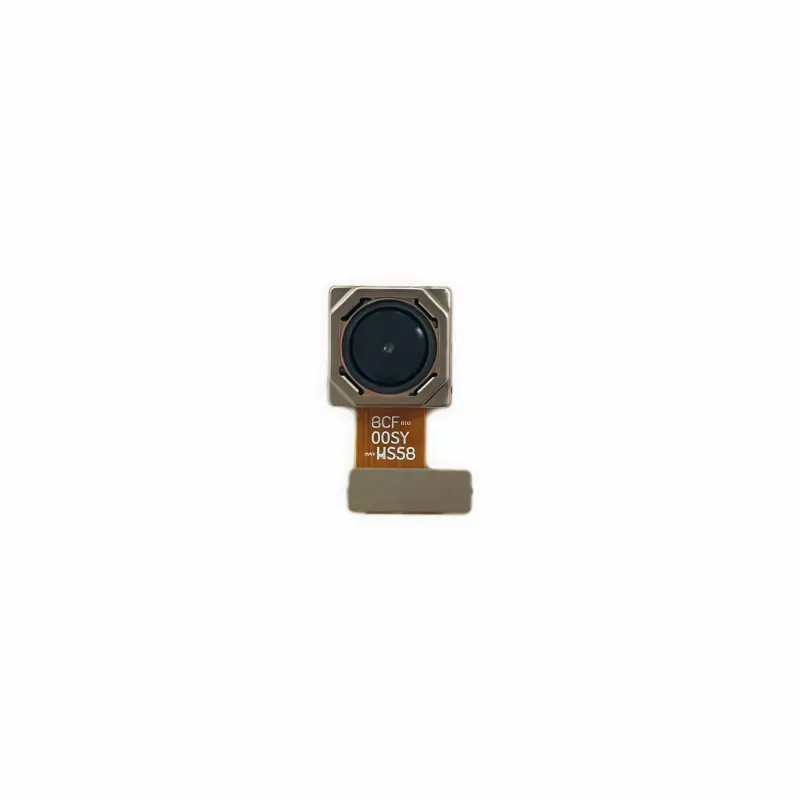
Modern smartphones have transformed the way we capture images, and much of this advancement is thanks to Multi-Camera Modules that work seamlessly behind the scenes. These sophisticated optical systems combine multiple lenses, sensors, and processors to deliver photography capabilities that rival traditional cameras. Understanding how Multi-Camera Modules function provides insight into the technological complexity that makes contemporary mobile photography possible and why manufacturers continue to invest in increasingly advanced Multi-Camera Modules for flagship devices.
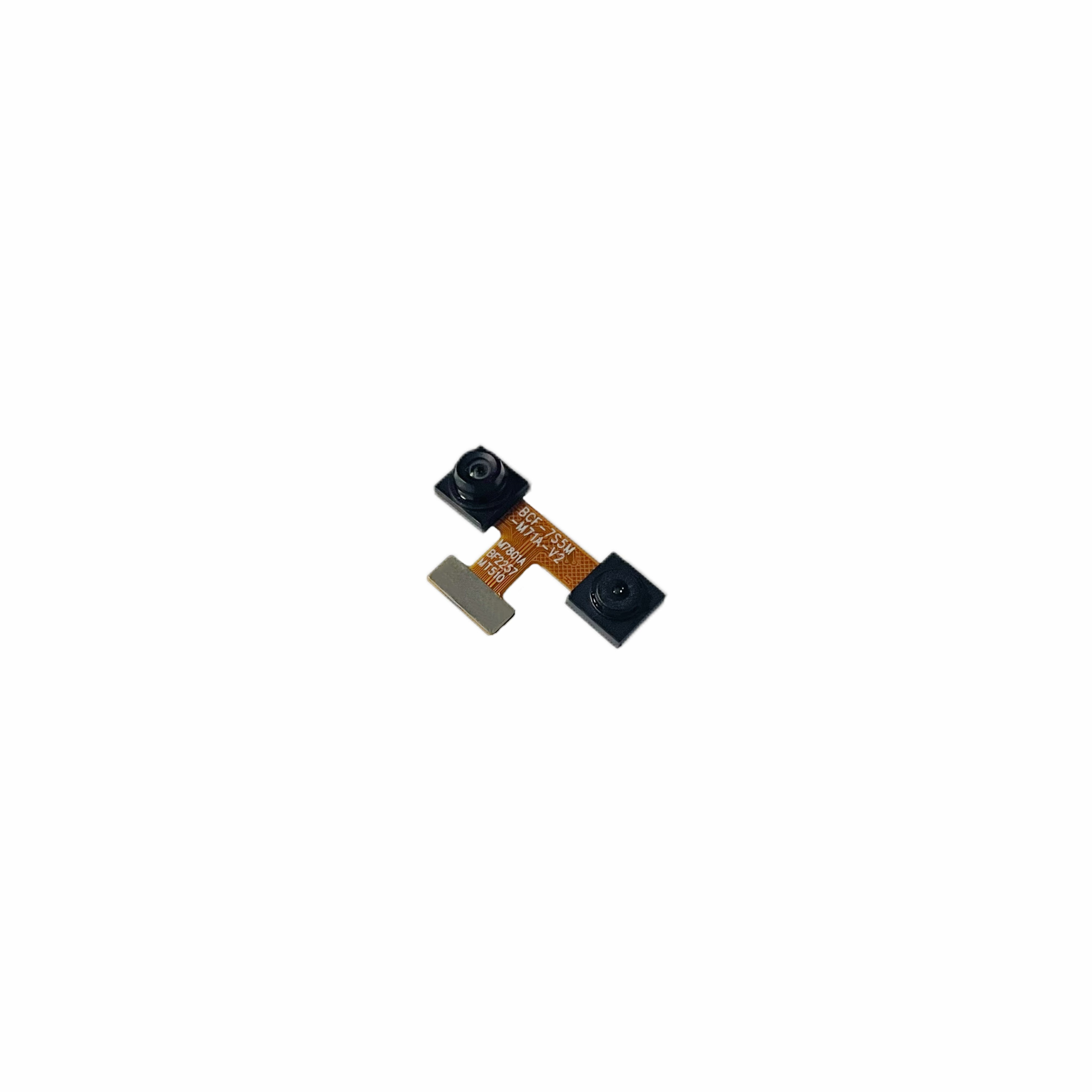
The integration of Multi-Camera Modules into smartphones represents a fundamental shift in mobile device design. Rather than relying on a single lens and sensor, Multi-Camera Modules distribute photographic tasks across specialized components, each optimized for specific scenarios. This architectural approach enables smartphones to deliver versatile imaging capabilities, from ultra-wide landscape shots to magnified telephoto captures, all within a single device. The working principle of Multi-Camera Modules depends on precise hardware coordination and intelligent software algorithms that determine which sensors and lenses to activate based on shooting conditions and user intent.
The Architecture of Multi-Camera Modules
Sensor and Lens Configuration
Multi-Camera Modules typically consist of three to five individual camera units, each containing its own lens, sensor, and optical components. In a standard multi-camera configuration, one primary sensor captures high-resolution general photography, while secondary sensors handle specialized functions like ultra-wide shooting or telephoto magnification. The primary sensor in Multi-Camera Modules usually features the largest pixel size and sensor dimensions to maximize light collection and detail preservation. Secondary sensors in Multi-Camera Modules are often smaller and optimized for specific focal lengths, allowing the entire module to remain compact while delivering diverse optical capabilities.
Each lens within the Multi-Camera Modules is designed with specific optical properties to serve distinct photographic needs. The main lens typically provides a standard field of view equivalent to 28mm to 35mm on traditional cameras, making it suitable for everyday photography. Ultra-wide lenses within Multi-Camera Modules extend the field of view to 120 degrees or more, capturing expansive landscapes and architectural shots. Telephoto lenses integrated into Multi-Camera Modules offer magnification ranging from 2x to 10x optical zoom, enabling detailed distant subjects without significant quality loss. Macro lenses sometimes included in advanced Multi-Camera Modules allow extreme close-up focusing, typically at distances as near as 2 to 4 centimeters.
Sensor Technology and Signal Processing
The sensors within Multi-Camera Modules convert incoming light into electrical signals that processors then transform into digital images. Most modern Multi-Camera Modules employ CMOS sensor technology, which offers superior power efficiency compared to older CCD alternatives. The sensor size in Multi-Camera Modules varies deliberately, with the primary unit featuring a 1-inch or larger sensor to capture abundant light, while auxiliary sensors use smaller 1/2-inch or 1/3-inch formats for space optimization. Signal processing in Multi-Camera Modules occurs through dedicated image signal processors that handle color correction, noise reduction, and dynamic range optimization in real time.
Image stabilization technology plays a crucial role in Multi-Camera Modules, particularly for telephoto and video recording. Optical image stabilization in Multi-Camera Modules uses movable lens elements or sensors to counteract hand tremor, while electronic stabilization crops and realigns the image data digitally. The combination of optical and electronic stabilization in Multi-Camera Modules allows users to capture sharp images and smooth video even in challenging lighting conditions or while moving. This stabilization technology becomes increasingly important in advanced Multi-Camera Modules designed for professional-grade mobile cinematography.
How Multi-Camera Modules Coordinate and Switch
Intelligent Lens Switching Algorithms
The real sophistication of Multi-Camera Modules lies in their intelligent switching algorithms, which automatically select the optimal lens and sensor based on scene analysis and user input. When a user activates zoom functionality on their device, the Multi-Camera Modules processor first analyzes the zoom level requested, lighting conditions, and subject distance to determine which camera unit will deliver the best results. At lower magnification levels, Multi-Camera Modules may use digital cropping of the primary sensor rather than switching to a telephoto unit, since digital magnification of a high-resolution sensor often yields superior results. As zoom requests exceed certain thresholds, Multi-Camera Modules seamlessly transition to telephoto or ultra-wide sensors that are physically optimized for those focal ranges.
Multi-Camera Modules employ sophisticated machine learning algorithms that continuously evaluate environmental factors to make switching decisions. These algorithms analyze factors such as ambient light levels, subject contrast, motion detection, and focus distance to predict which camera configuration will produce optimal results. The multi-camera selection logic in Multi-Camera Modules also considers battery consumption and processing load, favoring sensors that deliver adequate results with minimal power draw. This intelligent approach ensures that Multi-Camera Modules deliver both superior image quality and device efficiency simultaneously.
Software Integration and Computational Photography
Software integration forms the backbone of how Multi-Camera Modules function as a cohesive system rather than independent cameras. Advanced computational photography techniques leverage data from all sensors simultaneously to create composite images that exceed what any single camera could capture. Multi-Camera Modules use stereo vision information from multiple sensors to calculate depth maps, enabling sophisticated portrait modes with accurate background separation. These computational techniques enable Multi-Camera Modules to deliver features like night mode enhancements, where data from multiple sensors combines to reconstruct detail in extremely dark environments.
The processors controlling Multi-Camera Modules handle millisecond-level timing coordination to ensure that multiple sensors capture their respective frames in perfect synchronization. This temporal coordination is essential for Multi-Camera Modules to generate consistent depth information and avoid misaligned pixels when combining multiple sensor streams. Manufacturers implement proprietary algorithms within Multi-Camera Modules that optimize how sensor data blends, determining which information from each camera unit contributes to the final output. These computational approaches have transformed Multi-Camera Modules from simple multi-lens arrangements into intelligent imaging systems that outperform traditional cameras in versatility and ease of use.
Practical Performance and Imaging Capabilities
Multi-Sensor Coverage and Focal Range
The primary advantage of Multi-Camera Modules is their ability to cover an extensive range of focal lengths without quality degradation associated with pure digital zoom. A typical Multi-Camera Modules configuration might span from 15mm ultra-wide to 200mm telephoto equivalents, providing coverage that would require changing physical lenses on traditional cameras. This continuous coverage within Multi-Camera Modules allows photographers to compose shots naturally without switching cameras or accepting visual artifacts from digital interpolation. The diverse focal ranges offered by modern Multi-Camera Modules make smartphones capable of capturing professional-quality images across almost any photographic scenario.
Multi-Camera Modules achieve their broad focal coverage through a combination of optical zoom from telephoto lenses and clever hybrid zoom techniques that blend optical and digital approaches. When zooming with Multi-Camera Modules, the system intelligently transitions between sensors, often using optical zoom from the primary sensor up to about 2x, then shifting to dedicated telephoto units for greater magnification. At extreme magnification levels, Multi-Camera Modules apply careful digital enhancement to telephoto data, preserving detail better than pure digital zoom on single-camera systems. This hybrid approach means that Multi-Camera Modules maintain consistent image quality across their entire zoom range.
Low-Light Performance and Video Capabilities
Multi-Camera Modules with large primary sensors excel in low-light photography because their increased sensor surface area collects more photons from dim environments. The larger sensors in Multi-Camera Modules can employ larger apertures and bigger pixels, both critical factors for night photography and indoor shots. Multi-Camera Modules combine this hardware advantage with sophisticated computational techniques, including sensor fusion from multiple cameras to reconstruct detail that would otherwise disappear into shadow noise. The result is that Multi-Camera Modules deliver usable low-light photos with minimal graininess even when ambient lighting is severely limited.
Video recording represents another area where Multi-Camera Modules demonstrate significant advantage over single-camera smartphones. Advanced Multi-Camera Modules support 8K video recording on flagship devices, with multiple sensors contributing to exceptional temporal stability and detail preservation. The stabilization technology integrated into Multi-Camera Modules keeps video smooth even during dynamic movement or challenging environmental conditions. Multi-Camera Modules can also switch between sensors during video recording, enabling cinematic zoom effects that would be impossible with traditional camera systems. Professional videographers increasingly rely on Multi-Camera Modules built into smartphones for creating broadcast-quality mobile content.
FAQ
Why do smartphones need multiple cameras instead of one advanced sensor?
Multiple cameras address fundamental optical trade-offs that cannot be solved with a single lens and sensor. A single camera cannot simultaneously provide wide-angle, telephoto, and macro capabilities without compromising on at least one focal range. Multi-Camera Modules overcome this limitation by dedicating specialized sensors to specific tasks, allowing each to be optimized for peak performance in its intended role. This multi-camera approach also enables computational photography techniques that are impossible with single sensors, such as true depth sensing and advanced scene understanding that Multi-Camera Modules use to deliver features like portrait mode.
How does a Multi-Camera Modules system decide which camera to use?
Multi-Camera Modules use intelligent algorithms that analyze the scene, zoom level, lighting conditions, and subject distance to select the optimal sensor. The decision-making process happens in milliseconds, with the system evaluating factors like available light, user input, and motion detection to predict which camera configuration will produce the best result. Modern Multi-Camera Modules also consider processing power and battery consumption, favoring efficient sensors when image quality trade-offs are acceptable. Machine learning models embedded in Multi-Camera Modules continuously improve these decisions based on patterns from millions of photos.
Can Multi-Camera Modules improve image quality compared to a single high-resolution sensor?
Multi-Camera Modules often deliver superior results despite individual sensors sometimes having lower resolution than flagship single cameras, because computational techniques and sensor fusion create images exceeding what any single camera could produce. Multi-Camera Modules excel at scenarios where the primary sensor alone would struggle, such as extreme zoom, ultra-wide framing, or challenging lighting conditions. The true advantage of Multi-Camera Modules emerges in computational photography, where multiple sensor perspectives allow techniques like sophisticated depth mapping, night mode enhancement, and advanced stabilization. In everyday photography, Multi-Camera Modules prioritize versatility and reliability over raw megapixel count, delivering consistent excellent results across diverse scenarios.