
 EN



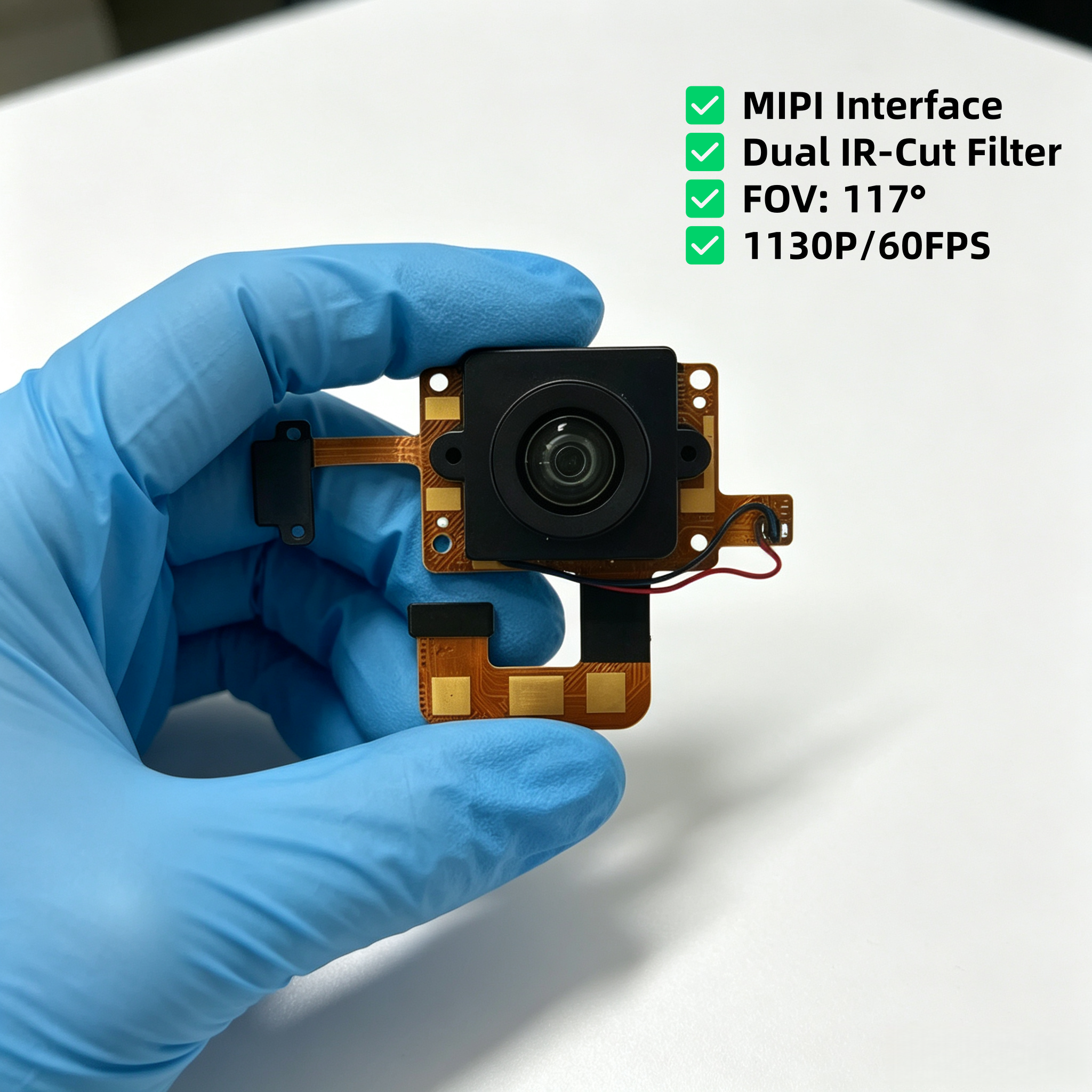
Binocular Vision Cameras have become essential tools across multiple industries, delivering precise depth perception and three-dimensional imaging capabilities that single-camera systems simply cannot match. These advanced optical systems mimic human binocular vision by capturing simultaneous images from two distinct perspectives, enabling machines and devices to accurately perceive spatial relationships, measure distances, and create detailed 3D maps of their environment. The demand for Binocular Vision Cameras continues to grow as industries seek smarter automation, enhanced quality control, and more intelligent robotic systems.
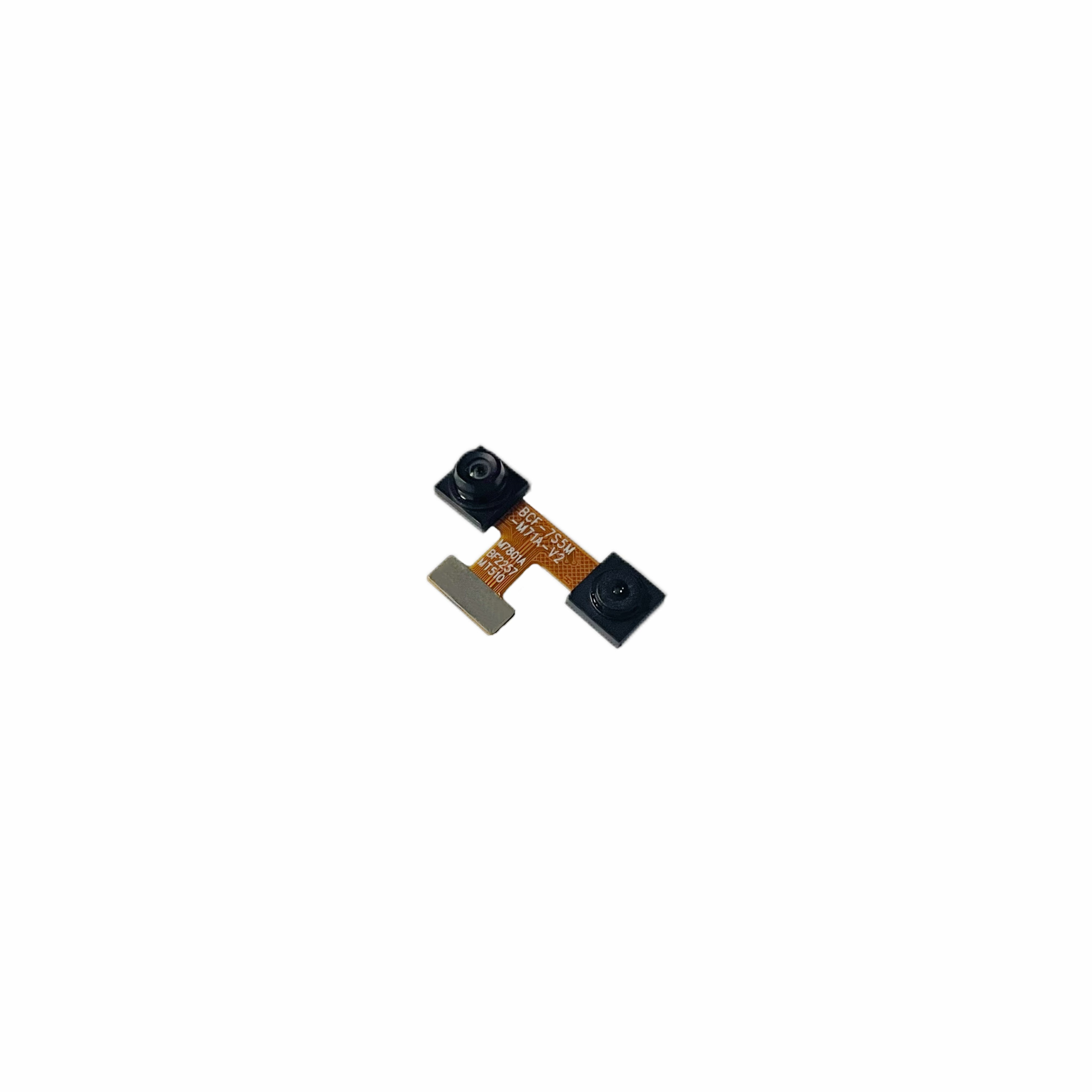
Understanding where Binocular Vision Cameras deliver the greatest value helps manufacturers, system integrators, and product developers make informed decisions about technology investment. From factory floors to consumer electronics, Binocular Vision Cameras unlock new possibilities for automation, safety, and user experience. This article explores ten major application scenarios where Binocular Vision Cameras have proven their worth, providing practical context for deploying this transformative technology.
Industrial Robotic Manipulation and Object Recognition
Robotic Arm Guidance and Precision Grasping
Binocular Vision Cameras enable robotic arms to locate, identify, and grasp objects with unprecedented accuracy in dynamic factory environments. By providing real-time 3D spatial data, these cameras allow robots to calculate optimal grip points, adjust for object variations, and avoid collision hazards. Binocular Vision Cameras give robotic systems the depth perception necessary to work alongside humans safely and perform complex assembly tasks without external markers or fixed positioning aids. This capability dramatically reduces setup time and increases production flexibility across automotive, electronics, and consumer goods manufacturing.
Part Verification in Automated Assembly Lines
Assembly line robots require Binocular Vision Cameras to verify component orientation, alignment, and presence before proceeding to the next operation. The stereoscopic depth information captured by Binocular Vision Cameras allows systems to detect misaligned parts, missing components, or damaged surfaces in milliseconds. This real-time feedback prevents defective assemblies from advancing through the line, reducing waste and rework costs. Binocular Vision Cameras also enable robots to adapt their handling approach based on component dimensions, whether parts are stacked, nested, or randomly oriented.
Quality Control and Surface Inspection
Three-Dimensional Surface Defect Detection
Binocular Vision Cameras excel at detecting surface irregularities, scratches, dents, and paint defects that two-dimensional imaging systems miss entirely. The 3D point cloud data generated by Binocular Vision Cameras reveals height variations, surface texture discontinuities, and subtle geometric anomalies invisible to conventional cameras. In automotive paint shops, consumer electronics manufacturing, and precision optics production, Binocular Vision Cameras provide the dimensional accuracy required for zero-defect quality standards. The technology enables non-destructive inspection at production line speeds without subjective human judgment.
Dimensional Verification and Tolerance Checking
Precision manufacturing demands exact dimensional compliance, and Binocular Vision Cameras deliver the three-dimensional measurement capability needed for automated tolerance checking. These systems can measure component dimensions, verify feature spacing, and validate complex geometric relationships with accuracy levels rivaling coordinate measuring machines but at a fraction of the cost and footprint. Binocular Vision Cameras generate complete 3D models of parts in seconds, enabling rapid quality decisions and traceability documentation. Industries ranging from aerospace to medical device manufacturing rely on Binocular Vision Cameras for inline metrology.
Mobile Device and Augmented Reality Applications
Depth Sensing for Smartphone Photography and Imaging
Modern smartphones increasingly incorporate Binocular Vision Cameras to enhance photographic capabilities, depth-of-field effects, and portrait mode functionality. Binocular Vision Cameras mounted on mobile devices capture depth information during image capture, enabling advanced computational photography features such as background blur, subject isolation, and realistic lighting effects. The compact form factor of contemporary Binocular Vision Cameras makes them ideal for smartphone and tablet integration, improving user experience without sacrificing device portability. This application demonstrates how Binocular Vision Cameras bridge professional imaging quality and consumer device accessibility.
Augmented Reality Scene Understanding and Interaction
Binocular Vision Cameras power next-generation augmented reality experiences by providing real-time environmental mapping and spatial understanding. AR applications rely on Binocular Vision Cameras to detect room geometry, surface planes, lighting conditions, and user positioning, enabling virtual objects to interact convincingly with physical spaces. Gaming, design visualization, and remote collaboration applications all benefit from the depth perception that Binocular Vision Cameras provide. The technology allows AR systems to understand occlusion, scale, and spatial relationships with the accuracy necessary for immersive user experiences.
Logistics, Warehousing, and Autonomous Navigation
Autonomous Mobile Robot Navigation and Obstacle Detection
Autonomous mobile robots in warehouses and manufacturing facilities depend on Binocular Vision Cameras to navigate safely, detect obstacles, and understand their surroundings in real time. The stereoscopic depth information from Binocular Vision Cameras allows robots to build dynamic environmental maps, distinguish between movable obstacles and permanent structures, and adjust navigation paths without human intervention. Binocular Vision Cameras provide the robust perception capability that enables autonomous robots to operate reliably alongside human workers, improving logistics efficiency while maintaining safety standards.
Package Dimension Measurement and Load Optimization
Logistics operations require accurate package dimensioning for proper truck loading, shipping cost calculation, and warehouse space optimization. Binocular Vision Cameras rapidly capture package dimensions with precision, creating 3D models that optimize bin packing algorithms and load distribution strategies. This application of Binocular Vision Cameras reduces logistics costs, minimizes damaged shipments caused by improper loading, and enables dynamic freight pricing based on accurate dimensional data. Warehouse automation systems increasingly employ Binocular Vision Cameras for this critical measurement function.
FAQ
What makes Binocular Vision Cameras different from single-camera systems?
Binocular Vision Cameras capture images from two slightly offset perspectives simultaneously, enabling true three-dimensional depth perception and spatial understanding. Single-camera systems rely on algorithms, lighting patterns, or motion to estimate depth, which lacks the inherent accuracy and reliability of Binocular Vision Cameras. The stereoscopic approach used by Binocular Vision Cameras mirrors biological vision and provides robust depth data across varied lighting conditions and surface types.
How do Binocular Vision Cameras handle challenging lighting environments?
Binocular Vision Cameras using passive stereo algorithms can struggle in low-light or textureless environments, but advanced Binocular Vision Cameras often incorporate active infrared illumination or structured light patterns to overcome these limitations. Modern Binocular Vision Cameras employ sophisticated matching algorithms and temporal filtering to maintain reliable depth perception even when baseline single-camera systems would fail. The choice of Binocular Vision Cameras architecture depends on the specific lighting conditions and surface characteristics of your application.
What is the typical cost range for integrating Binocular Vision Cameras into production systems?
Binocular Vision Cameras range from affordable consumer-grade modules under one hundred dollars to professional industrial systems exceeding several thousand dollars, depending on resolution, frame rate, baseline distance, and processing capabilities. The return on investment for Binocular Vision Cameras typically comes from reduced defects, increased automation, and eliminated manual inspection labor. Most manufacturing and logistics operations find that Binocular Vision Cameras pay for themselves within months through productivity gains and quality improvements.