 ×
×

AI glasses are rapidly evolving from niche “geek toys” once limited to tech enthusiasts into an indispensable mass-market necessity, reshaping the way people interact with technology in their daily lives. The year 2026 marks a critical turning point for the large-scale commercial adoption of AI glasses, as technological breakthroughs in key areas such as optics, battery life, and chip integration have removed many of the barriers that previously hindered their mainstream popularity. Among these advancements, AR (Augmented Reality) displays are poised to become the core driving force behind the industry’s growth, with improved clarity, reduced weight, and lower power consumption making them more accessible to ordinary consumers. This shift is not just a technological upgrade; it is ultimately reshaping the paradigm of human-computer interaction, moving beyond traditional screens and ushering in a new “smart era on the bridge of the nose” where information is seamlessly integrated into the user’s field of vision.
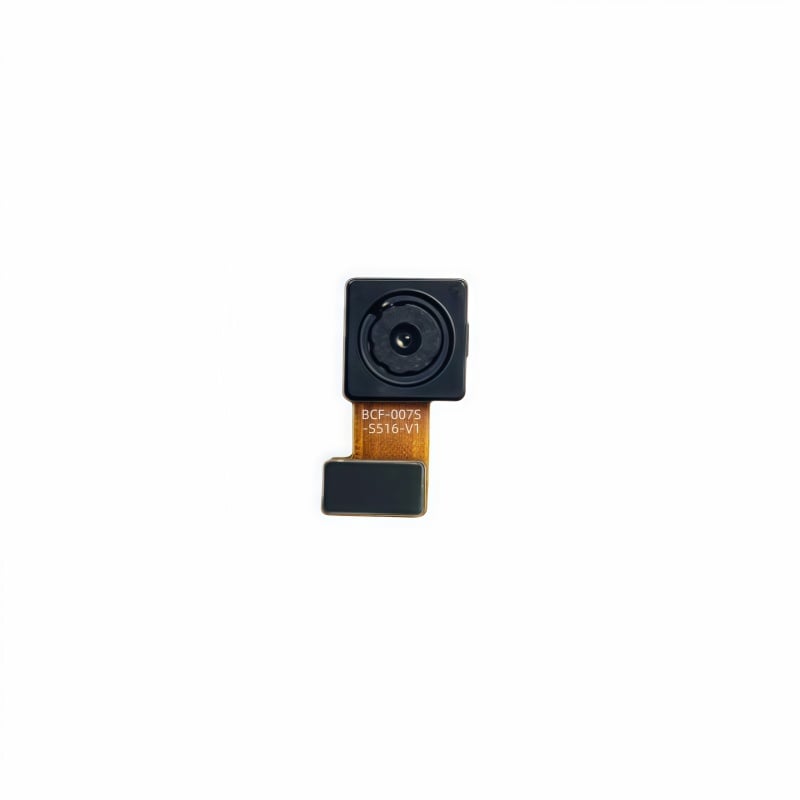
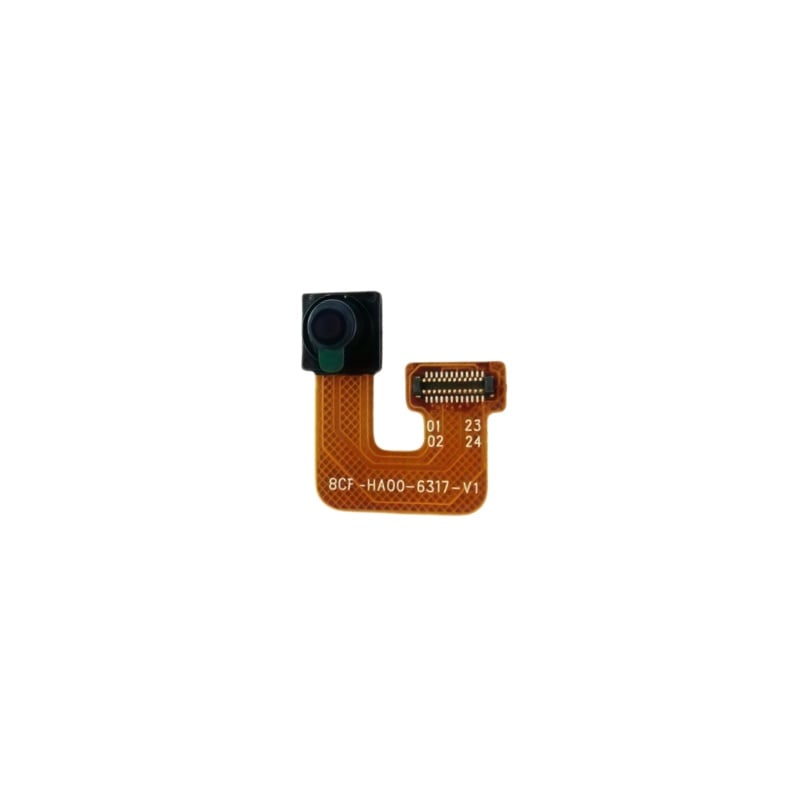
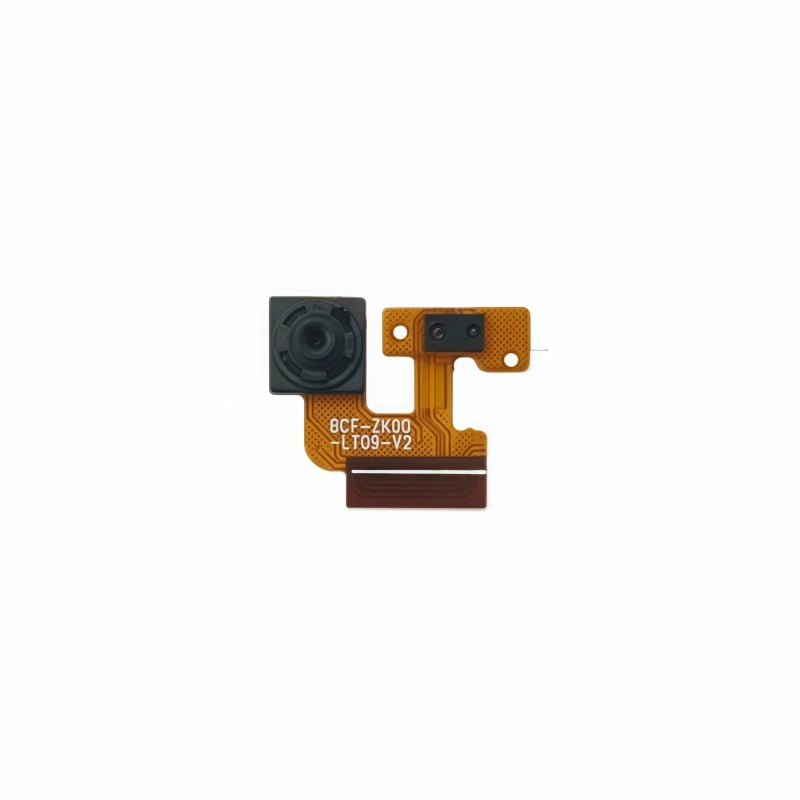
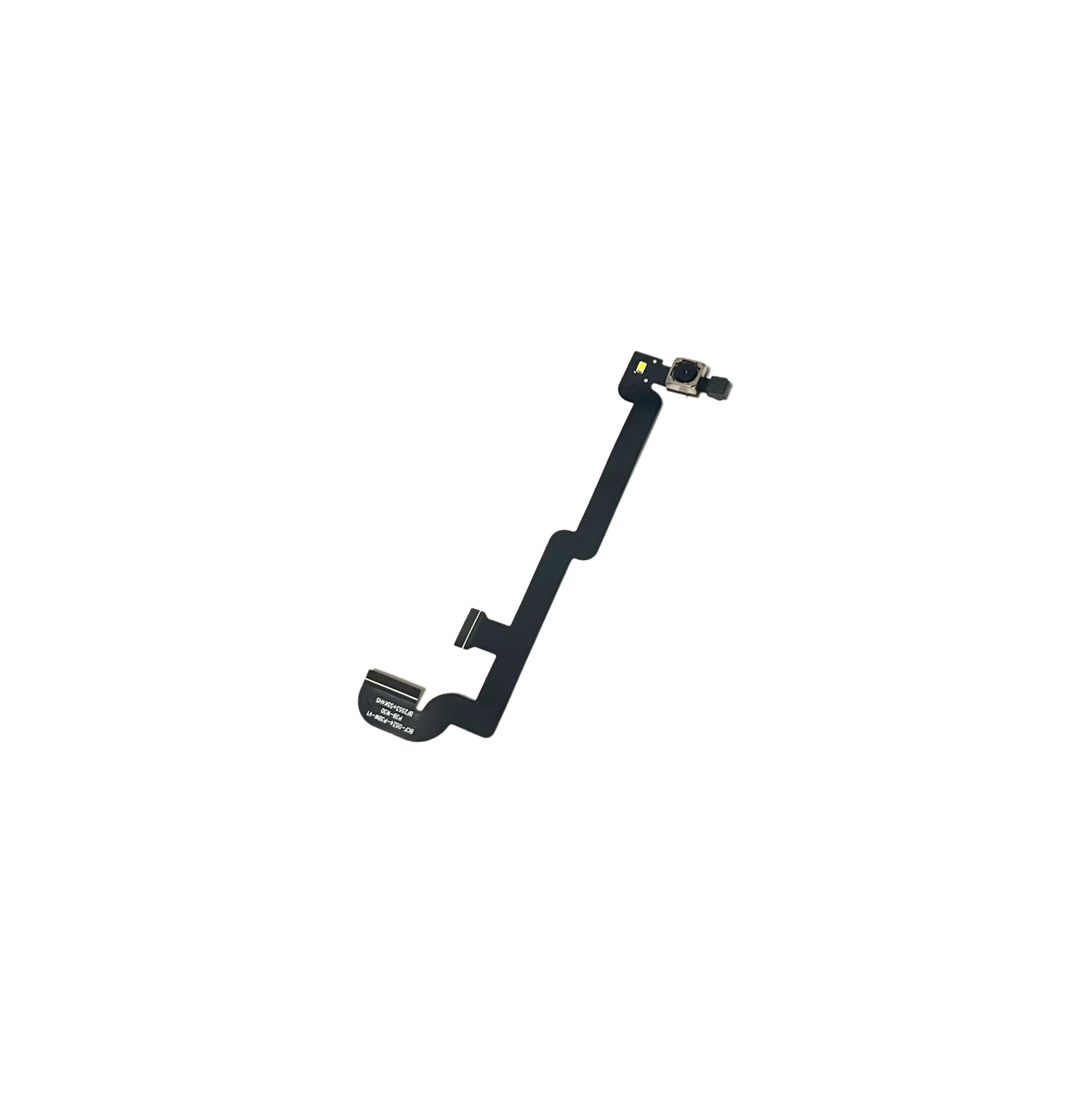
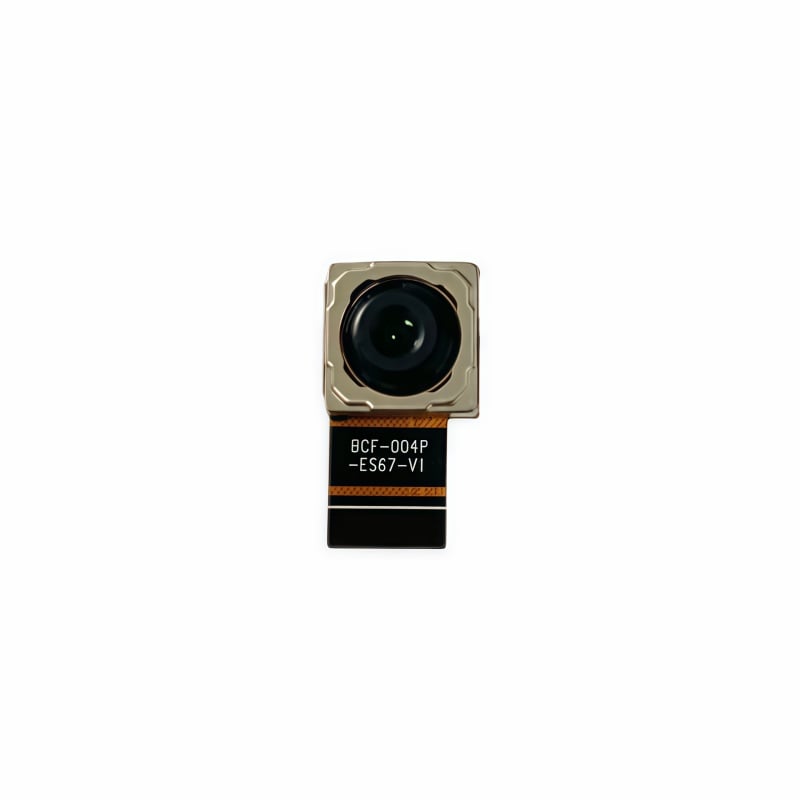
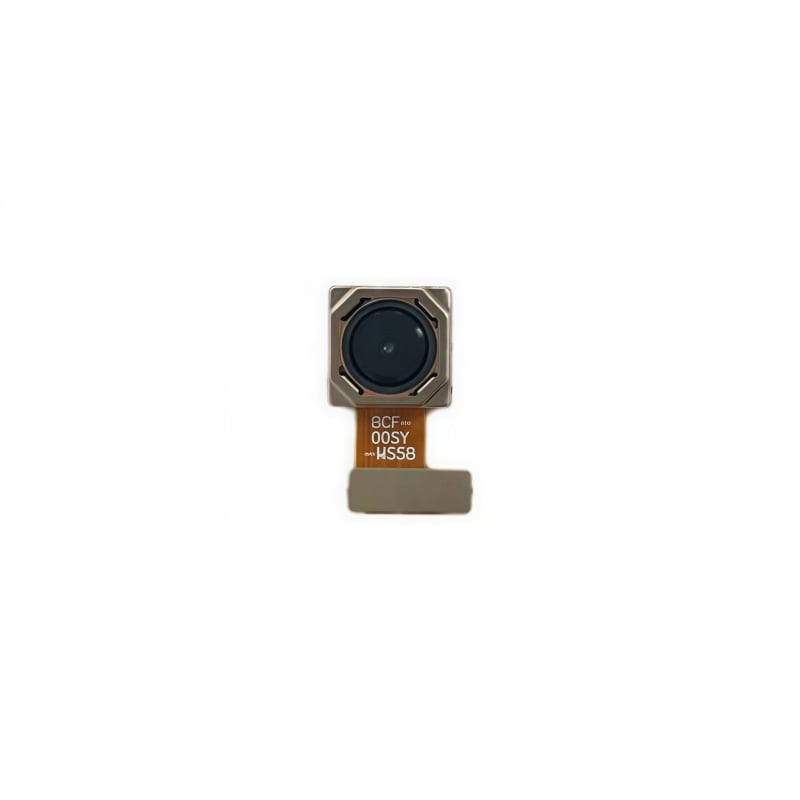
Staying at the forefront of these industry trends, Shenzhen Best Electronic Technology Co., Ltd., a leading innovator in smart wearable hardware, continues to break through core technical challenges and drive innovation in the AI glasses sector. The company’s newly developed camera module solution, powered by the high-performance Sony IMX681 CMOS image sensor, has officially entered the critical testing phase, bringing new possibilities for the performance enhancement of consumer-grade AI glasses. This cutting-edge camera module adopts an ultra-compact, lightweight COB (Chip-on-Board) packaging process, a technological choice that significantly reduces the module’s overall size and weight while improving its structural stability and heat dissipation performance.
Beyond its advanced packaging, the module integrates a high-specification photosensitive chip and an ultra-thin wide-angle optical lens, achieving an optimal balance between miniaturization and low power consumption—two key requirements for AI glasses, which rely on compact, lightweight designs and long battery life to deliver a comfortable wearing experience. In terms of imaging performance, the module excels in three core areas: a wide field of view that captures more environmental information, high dynamic range (HDR) that ensures clear imaging in both bright and low-light conditions, and low distortion that maintains the authenticity of captured images. These capabilities make it perfectly suited for supporting the core functions of AI glasses, including first-person shooting for immersive content creation, real-time image recognition and translation for cross-cultural communication, environmental sensing for smart navigation, and spatial positioning and interaction for seamless AR experiences.
To meet the practical needs of consumer-grade AI glasses, the module is strictly designed to fit the embedded structure of the glasses’ temple arms, ensuring that it does not affect the overall aesthetics or wearing comfort of the product. It also boasts excellent environmental adaptability, supporting wide-temperature operation to function stably in both hot and cold environments, as well as sweat-resistant and strong anti-interference performance—key features that address the daily wear and tear challenges faced by smart wearables. These design considerations fully meet the mass production requirements of consumer-grade AI glasses, allowing for large-scale manufacturing while maintaining consistent quality and performance.
What sets this camera module apart is its unique balance between an exceptional wearing experience and professional-grade imaging performance. Unlike many existing solutions that sacrifice either size or image quality, Shenzhen Best Electronic Technology’s module achieves both, making it suitable for the development and deployment of various mid-to-high-end AI glasses projects, ranging from consumer-focused smart glasses for daily use to professional-grade devices for industrial, medical, and educational applications.
Looking ahead, Shenzhen Best Electronic Technology Co., Ltd. will continue to focus on the innovative R&D of camera modules specifically tailored for AI glasses, with a strong emphasis on driving continuous improvements in three core areas: miniaturization, low power consumption, and high imaging performance. Leveraging its deep technological expertise accumulated over years of involvement in the smart wearable industry, the company aims to push the boundaries of product performance and explore new technological possibilities.
By staying closely aligned with the growth opportunities in the global smart wearables industry and adhering to a customer-centric approach, Shenzhen Best Electronic Technology is committed to providing high-quality, highly adaptable core hardware solutions for its industry partners. The company’s goal is to work hand in hand with partners to explore the vast market potential of AI glasses, accelerate the industry’s large-scale commercialization, and collectively shape the future of the “smart era on the bridge of the nose.”
As the AI glasses industry accelerates towards mass adoption in 2026, the demand for core components that perfectly balance performance with portability has never been greater. Shenzhen Best Electronic Technology’s latest camera module solution represents a significant stride in this direction, effectively bridging the gap between professional imaging capabilities and the stringent constraints of wearable hardware. By integrating the advanced Sony IMX681 sensor with an ultra-compact COB design, the company is not only solving current technical bottlenecks but also empowering developers to create smarter, lighter, and more intuitive eyewear. This innovation underscores a steadfast commitment to quality and practicality, positioning the company as a vital enabler in the global smart wearables ecosystem. As technology continues to merge seamlessly with daily life, such forward-thinking hardware solutions will undoubtedly serve as the cornerstone for the next generation of human-computer interaction.
 Hot News
2026-04-15
2025-07-09
2025-04-11

 EN
EN