
 EN



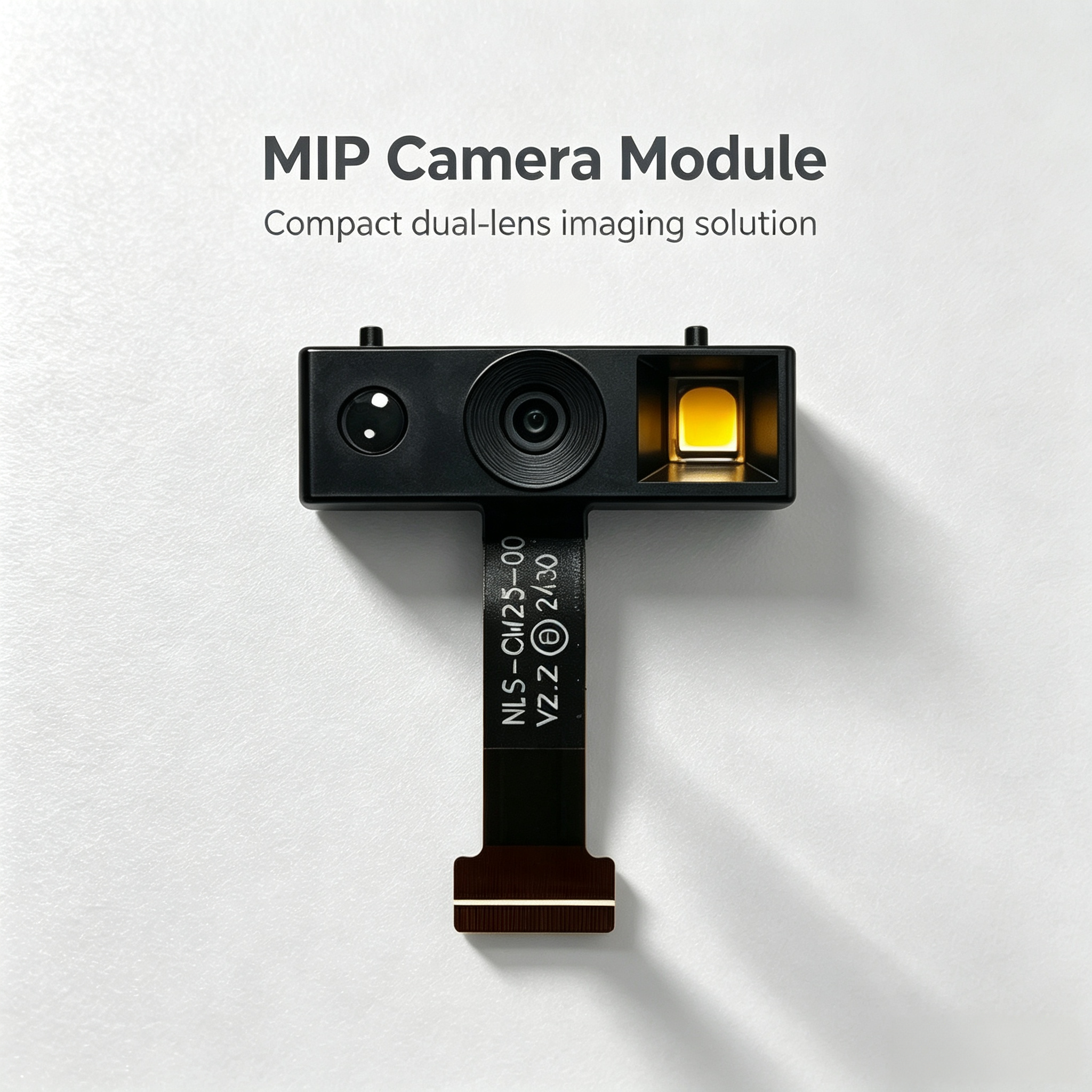
Night vision cameras have become essential in security, surveillance, and industrial monitoring applications. Understanding whether night vision cameras require IR lenses is critical for professionals selecting the right equipment for low-light environments. Many operators assume that night vision cameras automatically capture clear images in darkness, but the relationship between night vision cameras and infrared lenses is more nuanced than this common misconception. The performance of night vision cameras depends heavily on their optical design, sensor technology, and whether they incorporate dedicated infrared illumination systems.

The question of whether night vision cameras require IR lenses depends on the specific imaging technology being used. Most modern night vision cameras incorporate advanced sensors that are sensitive to infrared light wavelengths, but this does not automatically mean they require specialized IR lenses. Instead, night vision cameras often work with standard lenses paired with infrared illumination sources or rely on ambient light enhancement technology. Understanding this distinction helps security managers, facility operators, and system integrators make informed decisions about deployment and lens selection.
How Night Vision Cameras Function Without Specialized IR Lenses
Image Intensification Technology in Night Vision Cameras
Night vision cameras equipped with image intensification technology amplify available ambient light, including moonlight, starlight, and artificial light from distant sources. This amplification process allows night vision cameras to produce visible images in near-total darkness without requiring dedicated infrared illumination or specialized IR lenses. The image intensifier tube, a core component in many night vision cameras, multiplies incoming photons thousands of times, creating a viewable image on a phosphor screen. Night vision cameras using this technology can function effectively with conventional optical lenses because the light amplification happens at the sensor level rather than through the lens itself.
Standard optical lenses work perfectly well with night vision cameras that rely on image intensification. Night vision cameras of this type do not require IR lenses because the lens simply needs to gather and focus available light onto the sensor. The optical quality of the lens affects image clarity and light transmission efficiency, but infrared-specific lens coatings or designs are not necessary for basic operation. Many professional night vision cameras use quality multi-coated lenses designed for general low-light performance rather than infrared-specific optics.
Thermal Imaging Capabilities in Night Vision Cameras
Thermal night vision cameras detect heat radiation emitted by objects rather than relying on visible or infrared light sources. These night vision cameras operate on an entirely different principle and have unique lens requirements that differ from traditional IR systems. Night vision cameras with thermal sensors use specialized lens materials like germanium or chalcogenide glass because standard optical glass is opaque to thermal infrared wavelengths. This represents a true distinction where night vision cameras designed for thermal imaging do require specialized lenses adapted to longer infrared wavelengths.
However, thermal night vision cameras do not require external infrared illumination because they generate imagery from self-emitted heat. Night vision cameras operating on thermal principles stand apart from active infrared systems that depend on external IR light sources. Understanding this difference is crucial because it affects purchasing decisions, maintenance requirements, and deployment scenarios for night vision cameras in various industrial and security applications.
When Infrared Illumination Matters for Night Vision Cameras
Active Infrared Systems in Night Vision Cameras
Active infrared night vision cameras emit infrared light and capture its reflection off objects and surfaces. These night vision cameras do not strictly require IR-specific lenses, but they do require infrared emitters, typically LED arrays or laser sources integrated into the camera housing. Night vision cameras using active infrared systems work well with standard lenses because the infrared light is reflected the same way visible light is reflected. The lens in these night vision cameras simply focuses the reflected infrared light onto a sensor sensitive to that wavelength range.
Night vision cameras with active infrared illumination provide reliable performance in complete darkness without depending on residual ambient light. These night vision cameras are popular in security applications, automated monitoring, and industrial inspections where consistent image quality is essential regardless of environmental lighting. The advantage of night vision cameras with integrated infrared emitters is that they eliminate uncertainty about ambient light availability, making them predictable for critical applications.
Passive Infrared Detection in Night Vision Cameras
Passive infrared night vision cameras detect naturally occurring infrared radiation without active emission. Night vision cameras of this passive type can work with standard lenses in many situations, particularly when sufficient background infrared energy is present. Night vision cameras in this category often incorporate filters and sensors optimized for the near-infrared spectrum, which overlaps with visible light. The optical requirements for night vision cameras using passive infrared detection typically align with conventional lens specifications, though specialized coatings may improve transmission efficiency.
Night vision cameras relying on passive infrared sensing work effectively in environments where thermal contrast exists naturally, such as outdoor surveillance during warm weather or monitoring equipment that generates heat. Night vision cameras of this type represent a middle ground between full image intensification systems and thermal imaging, combining aspects of both technologies. The lens selection for these night vision cameras depends more on intended field of view and resolution requirements than on infrared-specific lens properties.
Practical Considerations for Selecting Night Vision Cameras
Optical Quality Standards Across Night Vision Cameras
Regardless of whether night vision cameras require IR lenses in the technical sense, optical quality remains a primary factor in overall performance. Night vision cameras benefit significantly from multi-coated lenses that maximize light transmission and minimize internal reflections. The lens selection process for night vision cameras should prioritize anti-reflective coatings, precise glass composition, and mechanical alignment rather than focusing exclusively on infrared-specific properties. High-quality night vision cameras use professionally engineered lenses that support the specific sensor technology, whether that involves image intensification, thermal detection, or active infrared illumination.
Environmental factors affect lens selection for night vision cameras just as they affect conventional cameras. Night vision cameras used in harsh industrial environments benefit from robust housing, protective coatings against dust and moisture, and optical elements designed to maintain clarity under extreme conditions. The lens assembly in night vision cameras should be evaluated based on transmission efficiency at the relevant wavelengths, mechanical durability, and compatibility with the camera's sensor specifications rather than defaulting to generic 'IR lens' terminology.
Matching Lens Specifications to Night Vision Camera Applications
Field of view requirements significantly influence lens selection for night vision cameras deployed in specific applications. Night vision cameras intended for wide-area perimeter surveillance require different focal lengths than night vision cameras designed for facial recognition or license plate capture at distance. The lens for night vision cameras must be matched to the application's depth-of-field requirements, minimum focus distance, and target recognition parameters. Night vision cameras designed for particular use cases come with lens recommendations from manufacturers based on extensive testing with the camera's sensor and illumination system.
Integration testing between night vision cameras and their optical components ensures optimal image quality and system reliability. Night vision cameras perform best when the lens, sensor, and illumination system work as a calibrated ensemble rather than as independently selected components. Professionals configuring night vision cameras should consult manufacturer specifications, field-tested optical pairing data, and application-specific guidance rather than assuming that any lens marketed as 'infrared-compatible' will perform optimally. The night vision cameras selected for mission-critical applications benefit from vendor support, performance validation, and technical specifications clearly documenting optical characteristics.
FAQ
Do all night vision cameras require infrared lenses?
No, not all night vision cameras require infrared lenses. Night vision cameras using image intensification technology work effectively with standard multi-coated lenses because light amplification occurs at the sensor level. Thermal night vision cameras do require specialized lenses designed for longer wavelength infrared radiation, but these are thermally optimized rather than traditional IR lenses. Active infrared night vision cameras use standard lenses paired with infrared emitters. The specific lens requirements depend entirely on the underlying imaging technology in the night vision cameras.
Can standard lenses work with night vision cameras?
Yes, standard quality lenses can work with many types of night vision cameras, particularly image intensification and active infrared systems. The key is selecting lenses with high light transmission efficiency, multi-coated optical elements, and mechanical precision appropriate for night vision cameras. Standard lenses supporting night vision cameras should have anti-reflective coatings to maximize photon transmission to the sensor. However, thermal night vision cameras specifically require specialized lens materials like germanium that transmit thermal wavelengths, so 'standard' lenses will not work with those night vision cameras.
What determines whether night vision cameras need special optical components?
The detection principle used in night vision cameras determines optical requirements. Night vision cameras employing image intensification or active infrared systems primarily need high-quality conventional optics optimized for low-light transmission. Night vision cameras using passive infrared detection benefit from filters and coatings that enhance near-infrared performance but do not strictly require specialized lenses. Thermal night vision cameras alone have strict requirements for lens materials and designs because standard optical glass is opaque to thermal radiation. Consulting manufacturer specifications ensures night vision cameras receive appropriate optical components for their specific sensor technology.