
 EN



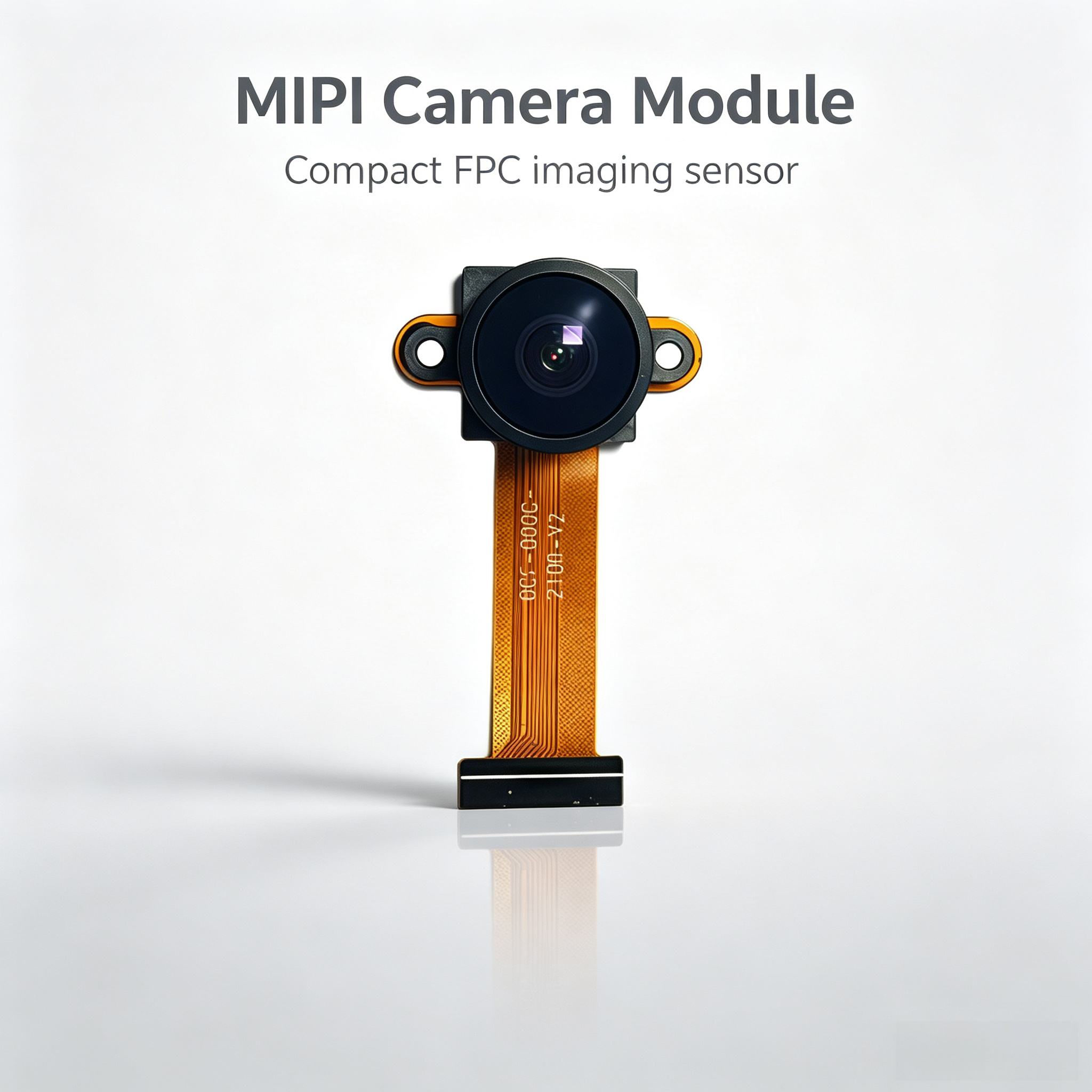
Embedded Linux platforms have become the backbone of modern industrial automation, robotics, surveillance systems, and IoT applications. One critical component driving the success of these systems is the mipi camera module, which has emerged as the industry standard for vision-based embedded solutions. The preference for MIPI camera module technology in embedded Linux environments is not arbitrary; it stems from fundamental architectural advantages, power efficiency, and seamless software integration that other camera interfaces simply cannot match.
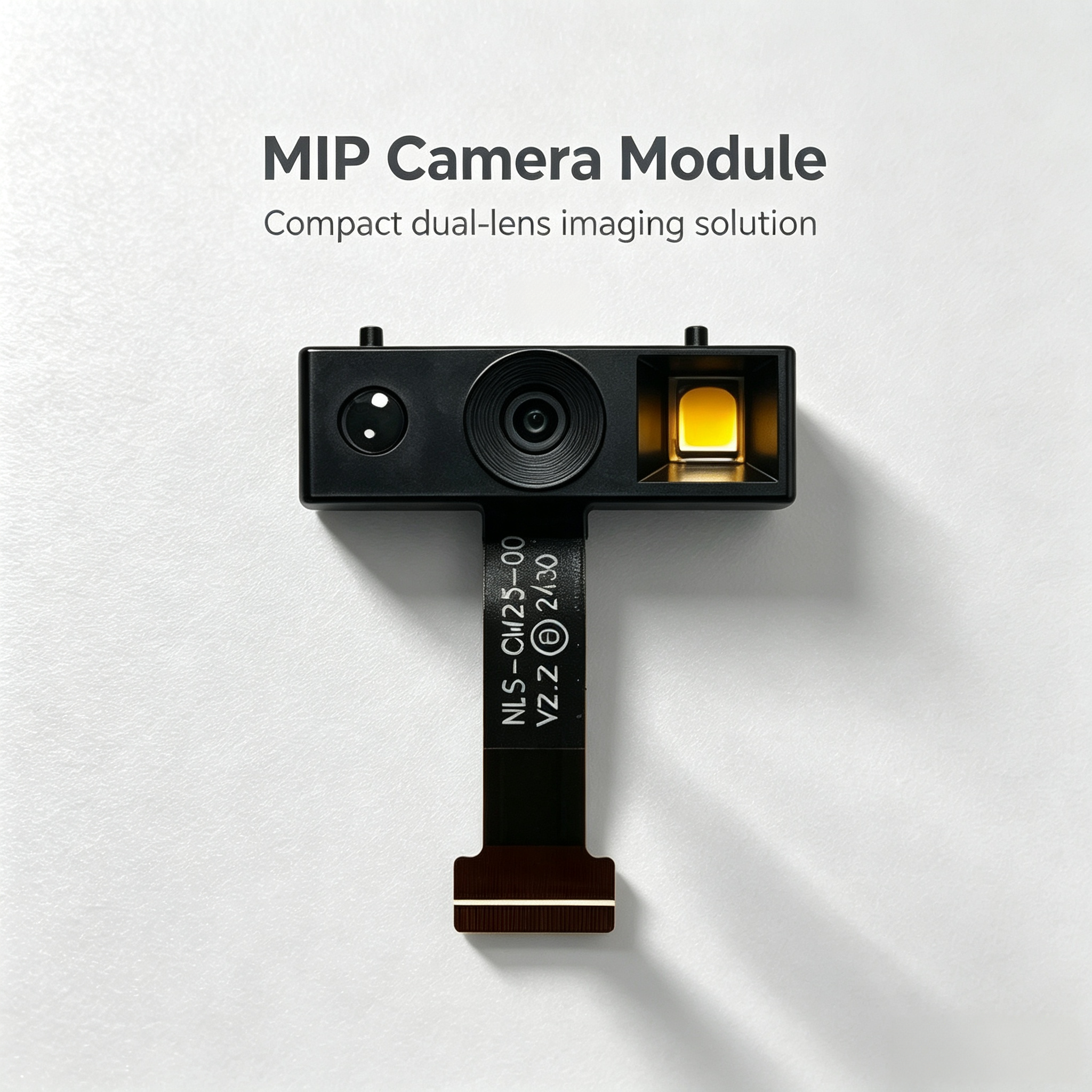
The adoption of MIPI camera modules in embedded Linux platforms reflects a broader industry shift toward standardized interfaces that reduce development time and cost. Engineers working with embedded Linux systems recognize that MIPI camera module price considerations must be weighed against long-term integration benefits, driver stability, and ecosystem maturity. This preference has solidified because MIPI technology aligns perfectly with the principles of open-source development and hardware flexibility that define the embedded Linux ecosystem.
MIPI Interface Architecture and Embedded Linux Integration
Native Driver Support in Linux Kernels
MIPI Camera Serial Interface (CSI) drivers are deeply integrated into mainstream Linux kernel distributions, providing out-of-the-box compatibility for developers. When you select a MIPI camera module for your embedded Linux project, you gain access to well-documented, community-maintained driver stacks that require minimal customization. The V4L2 (Video for Linux 2) framework natively supports MIPI camera module configurations, allowing developers to write portable camera applications across different hardware platforms. This standardization dramatically reduces the software development cycle and minimizes integration risks compared to proprietary camera interfaces.
Low-Level Hardware Control and Flexibility
MIPI architecture exposes granular control over sensor parameters, clock timing, and data streaming modes through the embedded Linux device tree framework. This flexibility enables fine-tuning of MIPI camera module performance for specific applications, whether you need high frame rates, low-light sensitivity optimization, or power consumption reduction. Engineers can adjust MIPI clock frequencies, lane configurations, and packet structures directly through kernel parameters, giving embedded systems the adaptability required for edge computing and real-time processing tasks. The transparent nature of MIPI protocols means that the underlying hardware mechanics remain visible and controllable, fostering innovation in embedded vision solutions.
Power Efficiency and Resource Optimization
Reduced Power Consumption in Battery-Powered Systems
MIPI camera module implementations consume significantly less power than traditional parallel camera interfaces, making them ideal for battery-operated embedded Linux devices. The serial nature of MIPI data transmission requires fewer GPIO pins and lower voltage signaling levels, which directly translates to reduced current draw from system power rails. For edge devices deployed in remote locations or within IoT networks where power management is critical, the mipi camera module price investment becomes justified when accounting for extended battery life and reduced thermal output. Power measurements across industrial deployments consistently show 40–60% reductions in camera subsystem power consumption when transitioning from parallel to MIPI interfaces.
Scalable Data Throughput with Minimal Bandwidth Overhead
MIPI protocols enable efficient data serialization that optimizes embedded Linux system bandwidth utilization. Multiple MIPI camera modules can operate simultaneously on the same CSI bus without the PCB layout complexity required by parallel interfaces, allowing developers to build multi-camera systems within tight size constraints. The high-speed MIPI dphy layers support data rates ranging from 80 Mbps to 4.5 Gbps, accommodating everything from simple motion detection sensors to high-resolution imaging applications. This scalability means your embedded Linux platform can grow from basic video capture to sophisticated computer vision workflows without requiring a complete hardware redesign.
Cost and Supply Chain Advantages
Competitive MIPI Camera Module Pricing and Volume Production
The widespread adoption of MIPI standards has created a mature component marketplace where mipi camera module price competition drives down costs across volume tiers. Established manufacturers invest heavily in MIPI production capacity, resulting in better pricing than proprietary interfaces while maintaining quality and reliability. When evaluating MIPI camera module price quotes for production runs, developers benefit from standardized specifications that enable transparent comparison across suppliers without worrying about hidden customization costs. The transparency of MIPI specifications also facilitates competitive bidding, ensuring your embedded Linux projects receive fair pricing without vendor lock-in concerns.
Ecosystem Maturity and Long-Term Availability
MIPI camera modules are manufactured by dozens of established suppliers, creating redundancy in the supply chain and ensuring long-term component availability for embedded Linux deployments. Unlike proprietary camera solutions that depend on single-source suppliers, MIPI technology's open-standard nature means you can switch manufacturers without major software rework. This supply chain diversity protects your embedded Linux projects from obsolescence and provides negotiating leverage with component suppliers. The robust secondary market for MIPI camera modules also supports prototyping, testing, and low-volume production phases where supply flexibility carries particular value.
FAQ
Can I use MIPI camera modules with older embedded Linux distributions?
Most modern embedded Linux distributions and recent stable kernel versions include MIPI camera module support through the V4L2 framework. However, older distributions may require driver backporting or manual kernel compilation to enable CSI support. Checking your Linux kernel version and consulting upstream community documentation before selecting your MIPI camera module ensures compatibility and prevents integration delays. Many manufacturers provide kernel patches and migration guides to help embedded Linux users with legacy systems.
What determines MIPI camera module price across different suppliers?
MIPI camera module price varies based on sensor resolution, frame rate capability, lens quality, low-light performance, and production volume commitments. Suppliers typically offer tiered pricing reflecting component specifications and minimum order quantities; higher resolutions and faster frame rates increase costs proportionally. Evaluating multiple quotes and understanding specification tradeoffs allows you to select a mipi camera module that meets application requirements without unnecessary premium features. Building relationships with suppliers can also reveal volume discounts that reduce per-unit MIPI camera module price for larger production runs.
How do MIPI camera modules handle multi-camera embedded Linux applications?
Modern embedded Linux platforms support multiple MIPI camera modules through CSI bus architecture that allows simultaneous data streaming from independent sensors. Each MIPI camera module connects to dedicated CSI lanes, and the V4L2 framework assigns separate device nodes for each sensor, simplifying application-level camera management. Developers can implement sophisticated multi-view systems, stereo vision applications, and redundant camera configurations within embedded Linux without bandwidth bottlenecks. Performance depends on total CSI bandwidth available and sensor output data rates, which should be calculated during system design to prevent resource contention.