
 EN



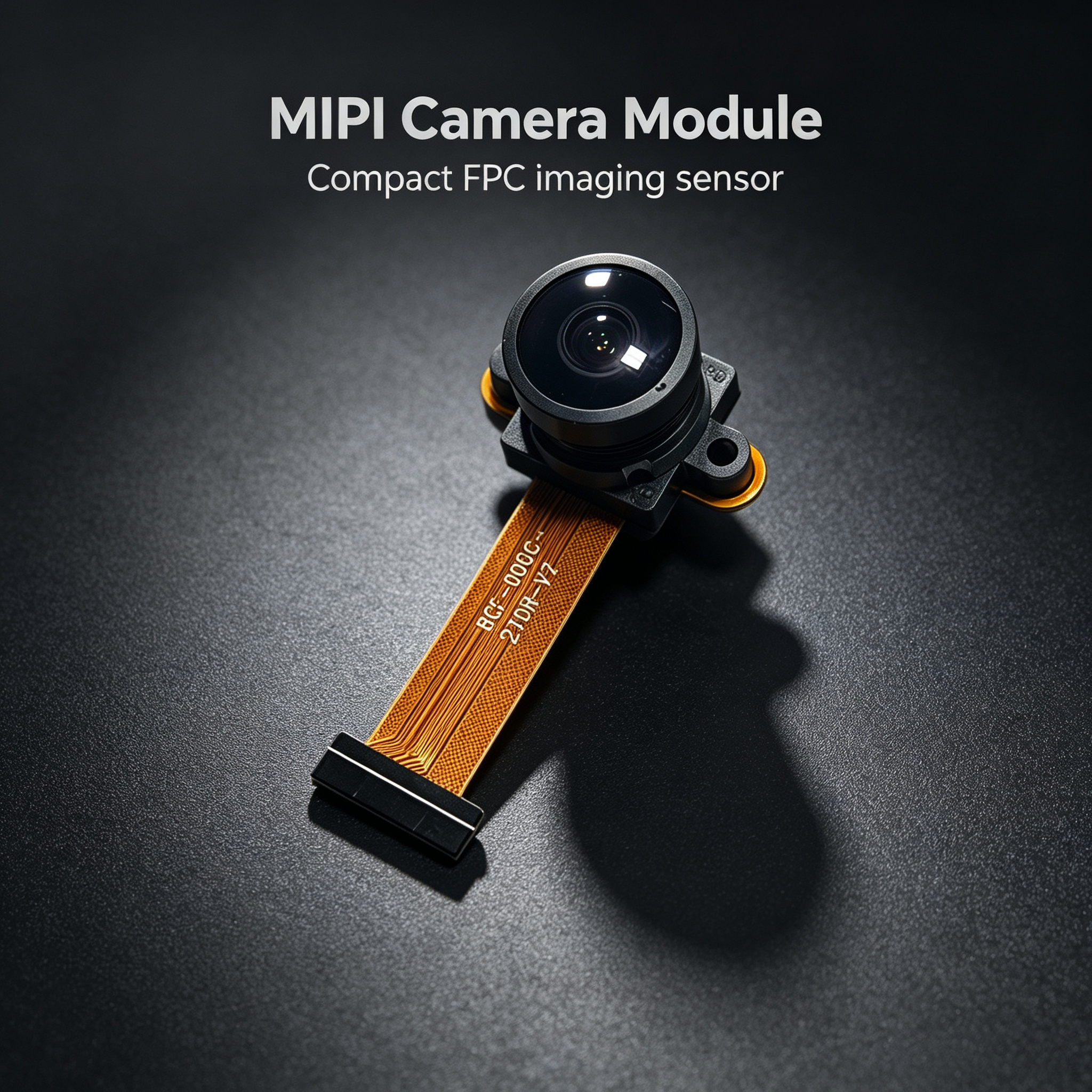
Image sensor selection is a critical decision when designing a mipi camera module for industrial and embedded vision applications. The choice of sensor directly impacts image quality, power consumption, integration complexity, and overall system performance. Understanding the common sensor types used in modern MIPI camera module architectures helps engineers and procurement teams make informed decisions aligned with their project requirements.
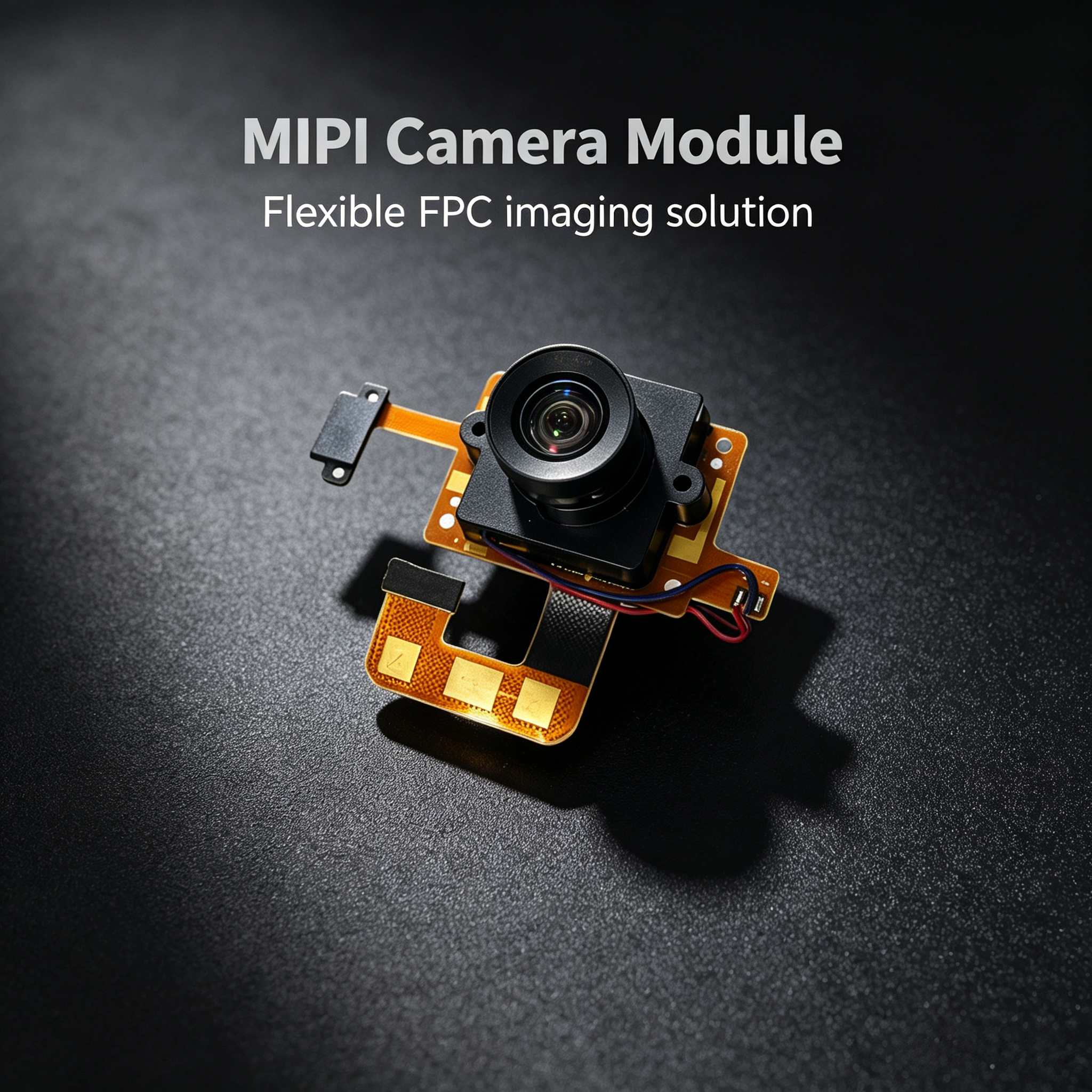
MIPI camera modules have become the industry standard for connecting image sensors to processors in smartphones, drones, autonomous vehicles, and AI vision systems. The MIPI CSI-2 interface provides a high-speed, low-power connection that simplifies hardware integration while enabling sophisticated imaging features. A well-designed MIPI camera module combines a compatible image sensor with proper signal conditioning, lens optics, and firmware support to deliver reliable visual data to the host application.
CMOS Sensor Technology in MIPI Camera Modules
Rolling Shutter CMOS Sensors
Rolling shutter CMOS sensors dominate the landscape of consumer and industrial MIPI camera module applications due to their cost-effectiveness and widespread manufacturing maturity. These sensors expose pixels row-by-row sequentially, which reduces circuit complexity and power requirements compared to alternatives. For stationary subjects and applications without rapid motion, rolling shutter performance is more than adequate. Common resolutions range from 2 megapixels to 20 megapixels, with sensor manufacturers continuously optimizing pixel designs to improve light sensitivity and reduce read noise in MIPI camera module implementations.
Global Shutter CMOS Sensors
Global shutter CMOS sensors capture all pixels simultaneously, eliminating motion artifacts and distortion during fast-moving scenarios. This characteristic makes them essential for autonomous vehicle systems, robotic vision, and AI vision applications requiring synchronized frame acquisition. Global shutter technology demands more complex pixel architecture and higher power consumption, which justifies its use in premium MIPI camera module designs where image integrity outweighs cost considerations. The elimination of rolling distortion significantly improves object detection and tracking accuracy in machine learning pipelines.
Resolution and Performance Specifications
Sensor Resolution Selection for MIPI Camera Modules
Image sensor resolution in a MIPI camera module must balance computational resources, transmission bandwidth, and storage requirements against the actual detail needed by the application. A 2-megapixel CMOS sensor provides adequate resolution for many surveillance and monitoring tasks, while 5-megapixel to 13-megapixel sensors suit automotive and industrial inspection use cases. Higher resolutions demand increased data throughput over the MIPI interface, requiring faster clock rates or multiple data lanes. Resolution selection also influences power consumption, thermal management, and the overall footprint of the integrated MIPI camera module assembly.
Dynamic Range and Noise Performance
Modern CMOS image sensors used in MIPI camera module designs incorporate advanced features such as high dynamic range (HDR) capture, which allows simultaneous imaging of bright and dark regions in challenging lighting conditions. Read noise specifications have improved dramatically with new process technologies, enabling low-light operation crucial for surveillance and medical imaging applications. Pixel bit-depth, typically 8-bit, 10-bit, or 12-bit, determines the tonal gradation and color accuracy available to the host processor when processing MIPI camera module output data. These performance metrics directly affect the quality of AI vision analysis and downstream image processing results.
Integration Considerations and Optical Design
Lens Optics and Module Form Factor
The image sensor must pair with appropriate lens optics to achieve the desired field of view and depth of field for each specific application. Common MIPI camera module form factors include fixed-focus designs for stationary mounting and autofocus-capable modules for adaptive depth control. Sensor size, typically 1/4-inch, 1/3-inch, or larger formats, determines lens compatibility and optical performance characteristics. Compact MIPI camera module designs often employ plastic lenses optimized for cost and volume production, while precision applications may use glass optics for superior optical quality.
Power Budget and Thermal Considerations
Image sensors in MIPI camera module implementations consume power for pixel readout, amplification, analog-to-digital conversion, and MIPI serializer operations. Total power dissipation ranges from tens of milliwatts in low-power designs to several hundred milliwatts in high-resolution modules with additional features. Thermal management becomes relevant in compact enclosures or when multiple MIPI camera modules operate simultaneously, as elevated sensor temperature degrades noise performance and image quality. Careful PCB layout, thermal interface materials, and firmware-controlled clock gating help maintain acceptable operating temperatures within MIPI camera module assemblies.
FAQ
What resolution should I choose for an AI vision MIPI camera module?
Resolution selection depends on the object size, detection distance, and computational capacity of your AI vision system. For object detection tasks, 2-megapixel to 5-megapixel sensors often provide sufficient detail while minimizing processing overhead in the MIPI camera module pipeline. Higher resolutions benefit classification and fine-detail inspection tasks but increase data bandwidth and power requirements across the MIPI interface.
Can a rolling shutter sensor work for autonomous vehicle applications?
Rolling shutter sensors are not ideal for autonomous vehicle applications where motion artifacts compromise object detection reliability. Global shutter CMOS sensors are strongly preferred in automotive MIPI camera module designs because they eliminate distortion during rapid movement and ensure frame synchronization across multiple camera feeds in the vehicle system.
How does MIPI CSI-2 interface benefit sensor selection and integration?
The MIPI CSI-2 standard simplifies integration by providing a standardized serial interface that works with most modern image sensors. This standardization reduces design complexity for MIPI camera module manufacturers, lowers interconnect costs, and enables rapid prototyping. Processors with native MIPI CSI-2 support can accept data directly from compatible sensors without requiring custom signal conditioning or frame capture logic.