usb vs mipi camera module
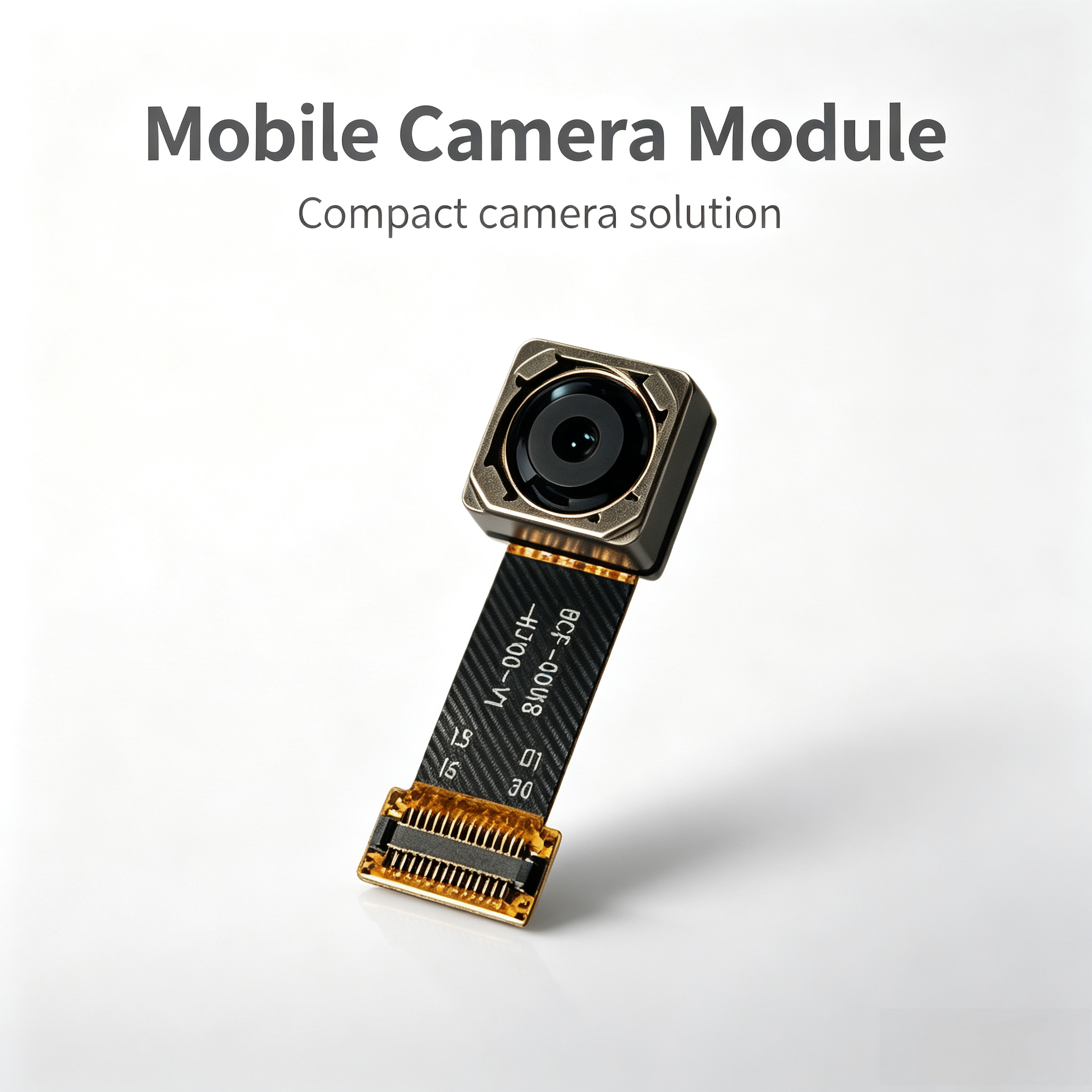
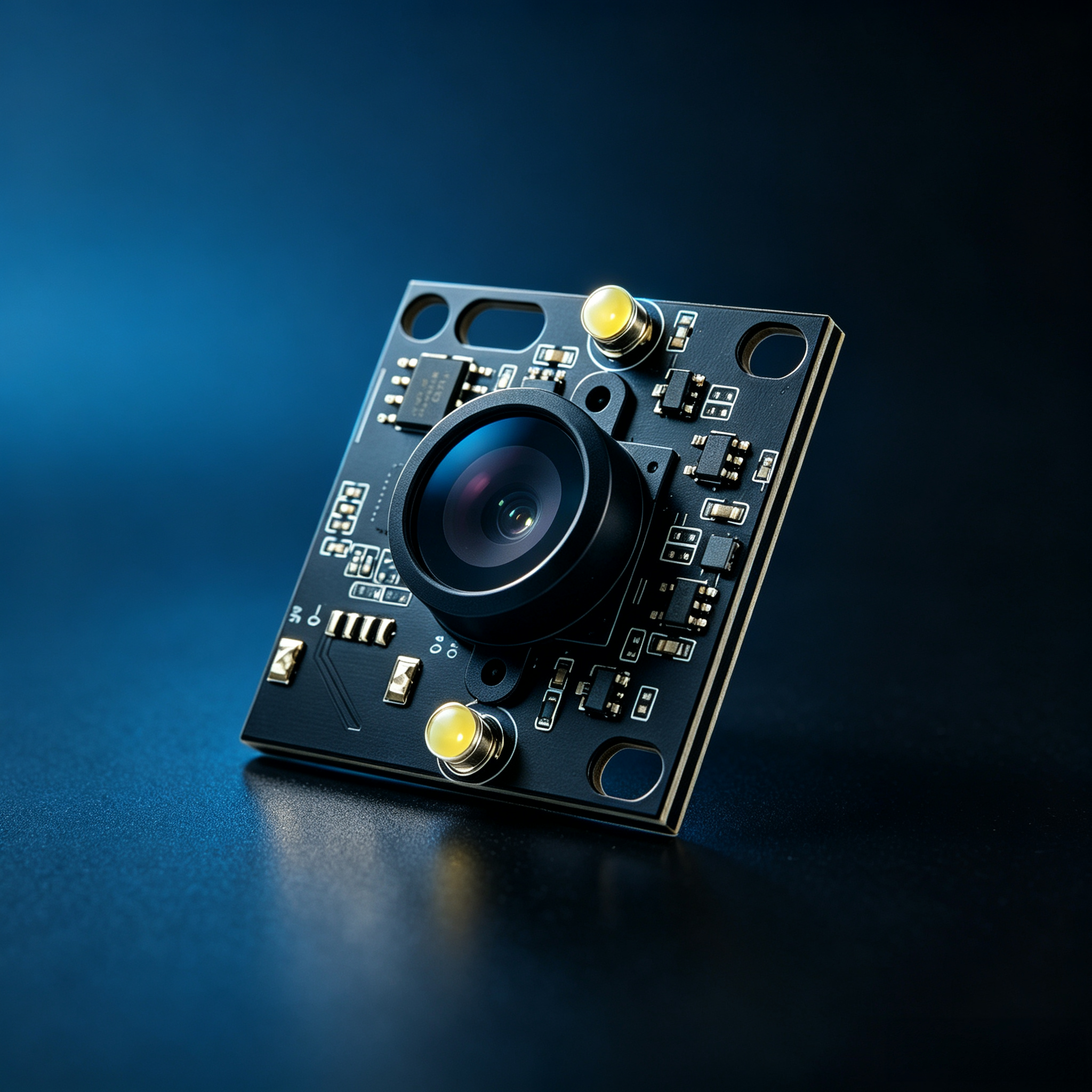
Understanding the USB vs MIPI camera module choice is essential for professionals selecting imaging solutions. The USB vs MIPI camera module represents two distinct interface technologies that serve different application requirements. A USB camera module connects directly to computers or devices through USB ports, offering straightforward plug-and-play functionality without requiring specialized drivers or complex integration processes. In contrast, a MIPI camera module utilizes the Mobile Industry Processor Interface standard, designed specifically for compact devices and embedded systems with stringent space and power constraints.
The USB vs MIPI camera module differs significantly in bandwidth capabilities, power consumption, and integration complexity. USB camera modules support multiple versions, including USB 2.0, USB 3.0, and USB 3.1, delivering varying transmission speeds suitable for different resolution requirements. MIPI CSI-2 interfaces provide high-speed, low-power connections ideal for mobile devices and IoT applications.
Technologically, the USB vs MIPI camera module distinction reflects different design philosophies. USB implementations emphasize accessibility and universal compatibility, functioning across Windows, Mac, and Linux platforms. MIPI technology prioritizes efficiency and miniaturization, making it the standard for smartphones, drones, and industrial cameras.
Applications for USB vs MIPI camera module span surveillance systems, medical imaging, robotics, and consumer electronics. USB variants suit desktop applications, conference systems, and general-purpose imaging. The MIPI camera module excels in portable devices, autonomous vehicles, and embedded vision applications where space optimization matters critically.

 EN