How to Choose a Camera Module Guide

Get a Free Quote

Our representative will contact you soon.
Email
Mobile/WhatsApp
Name
Company Name
Message
0/1000

how to choose a camera module

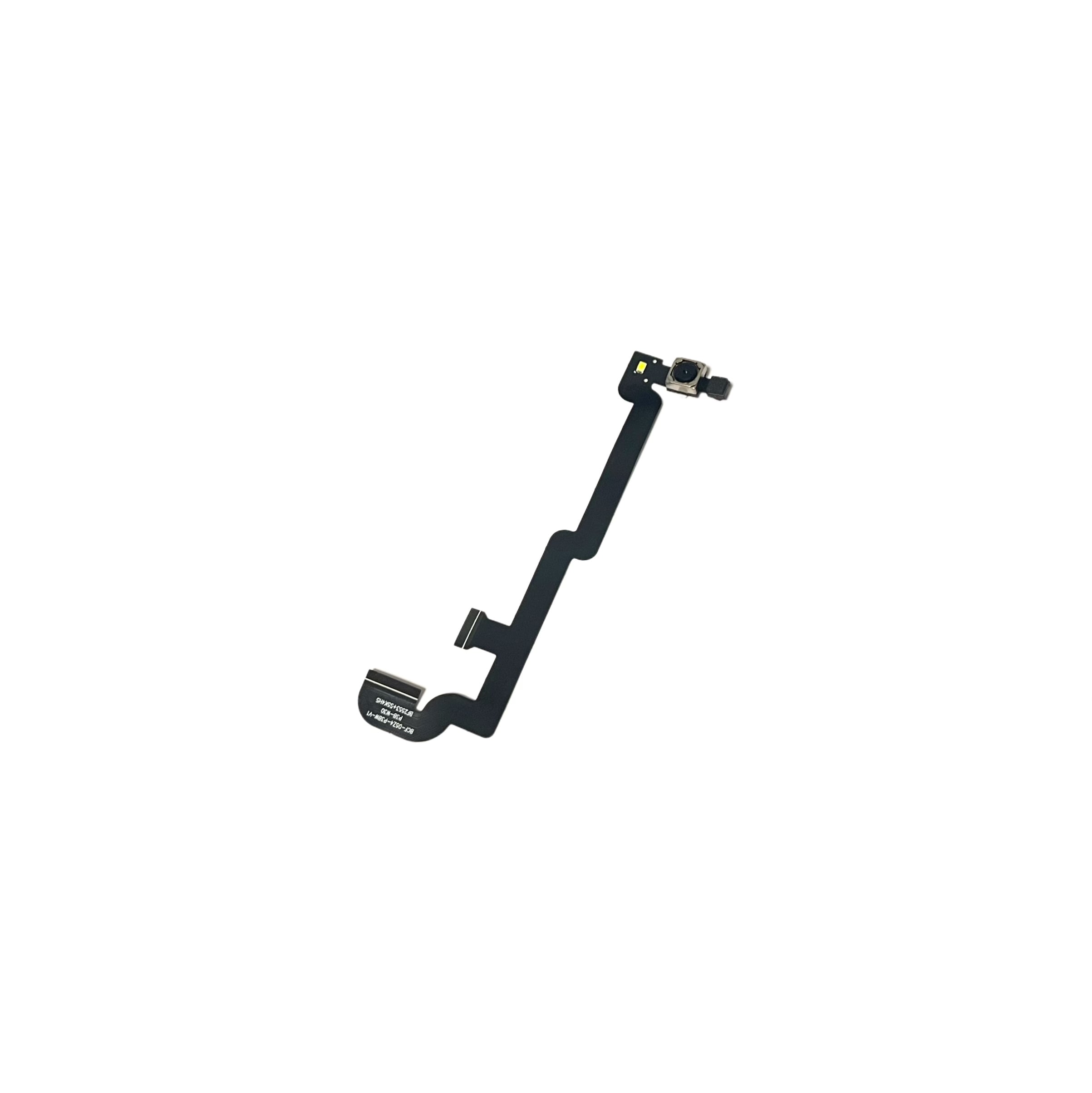
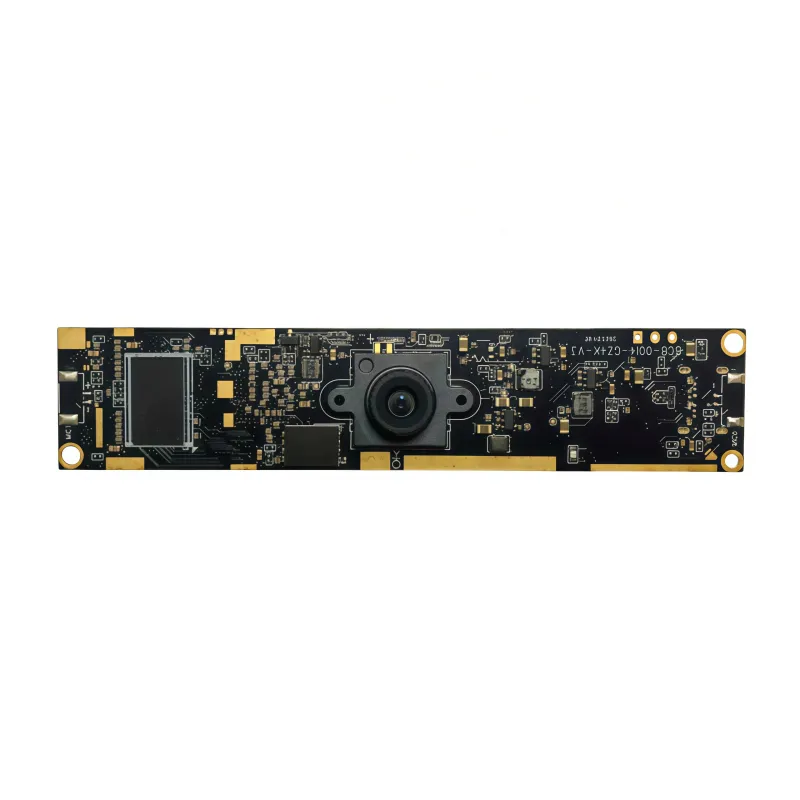
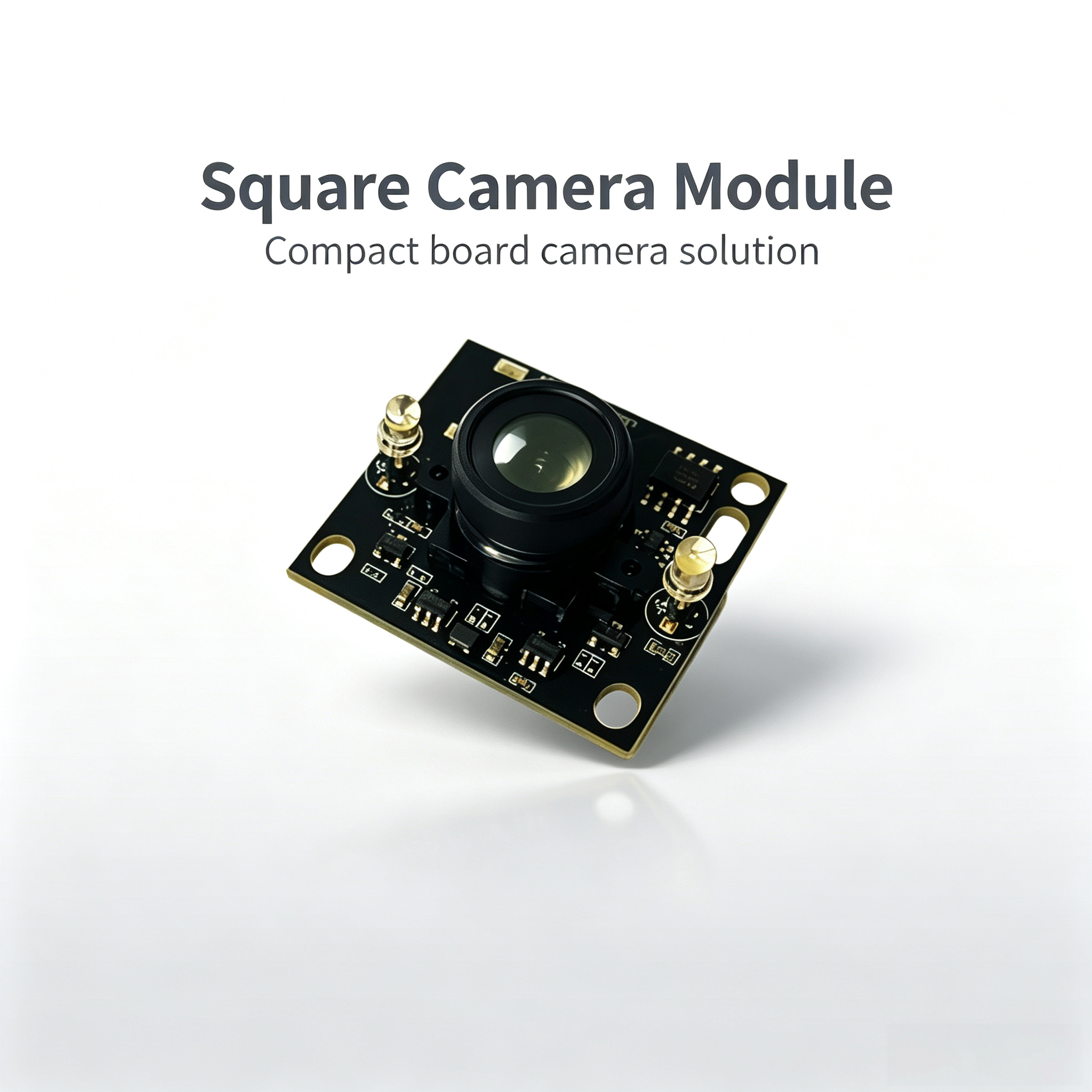
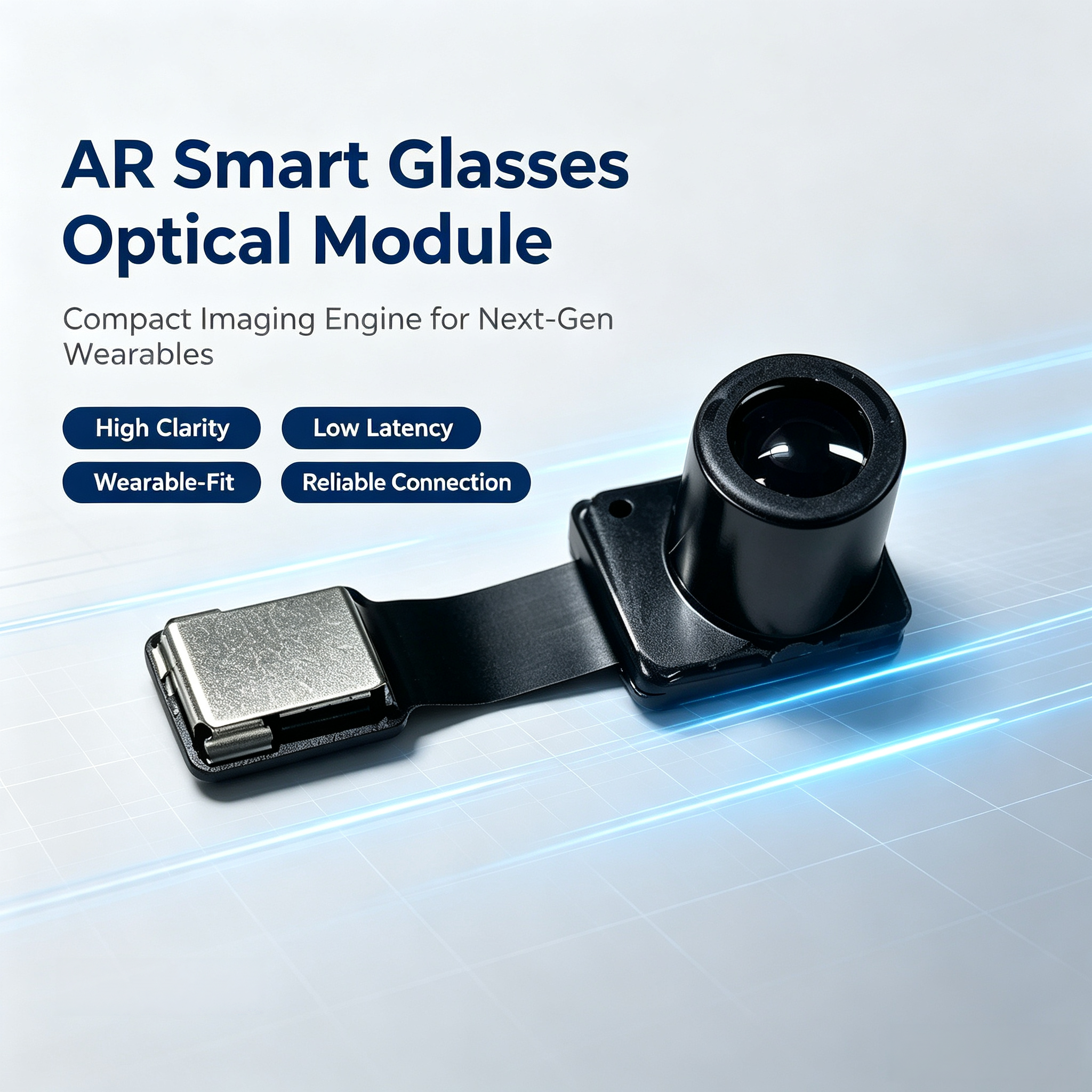
Understanding how to choose a camera module is essential for anyone looking to integrate imaging technology into their projects or devices. A camera module is a compact, self-contained imaging unit that captures digital photographs and video content. When learning how to choose a camera module, you need to consider several critical factors that determine its performance and suitability for your specific application. Camera modules function by converting light into digital signals through image sensors, processing this information, and transmitting it to connected devices. The main functions include capturing images in varying light conditions, recording video at multiple frame rates, and transmitting processed data through standard interfaces like USB or CSI ribbons. Key technological features to evaluate when deciding how to choose a camera module include sensor resolution measured in megapixels, frame rate capabilities, lens quality and focal length, low-light performance, and autofocus functionality. Modern camera modules also incorporate advanced features such as digital image stabilization, wide dynamic range processing, and specialized filters for enhanced image quality. Applications for camera modules span numerous industries including security surveillance, medical imaging, drone photography, automotive systems, and consumer electronics. Industrial inspection systems, augmented reality devices, and robotics also depend heavily on reliable camera module technology. When evaluating options for how to choose a camera module, consider your resolution requirements, intended environmental conditions, power consumption limits, physical size constraints, and integration complexity. Different manufacturers offer varying specifications, so comparing these elements carefully ensures you select the most appropriate solution for your needs and budget.

New Products

Choosing the right camera module delivers significant operational and practical benefits for your applications. When you master how to choose a camera module, you gain the ability to optimize costs while maintaining excellent image quality standards. This decision-making process directly impacts your project's success, performance capabilities, and long-term functionality. Operational benefits begin with selecting a module that matches your specific technical requirements, reducing unnecessary features and associated expenses. Understanding how to choose a camera module enables you to avoid overspending on capabilities you won't use while ensuring critical functions are never compromised. This targeted approach improves your return on investment and streamlines implementation timelines. Application suitability represents another major advantage when you properly evaluate options for how to choose a camera module. Different modules excel in various environments—some prioritize low-light performance for surveillance, while others emphasize high frame rates for sports photography or motion capture. Making informed decisions ensures your selected module performs optimally within your intended use case. Practical buyer value extends beyond initial selection. Learning how to choose a camera module means understanding compatibility with your existing systems, power requirements, software integration needs, and thermal management considerations. This comprehensive knowledge prevents costly mistakes and system incompatibilities. Reliability and durability become predictable when you thoroughly understand how to choose a camera module suited to your environmental conditions. Whether you need rugged designs for industrial applications or lightweight options for consumer devices, proper selection ensures longevity and consistent performance. Additionally, selecting appropriate modules simplifies maintenance, reduces troubleshooting complexities, and provides confidence in your system's imaging capabilities across various demanding conditions and operational scenarios.

Practical Tips

Key Milestones & Impacts in the Development of Core Vision Industry Products

06

Jul

Key Milestones & Impacts in the Development of Core Vision Industry Products

The evolution of vision industry products represents one of the most transformative journeys in modern technology. From early analog imaging systems to today's sophisticated digital ecosystems, vision industry products have fundamentally reshaped how...
View More
Benefits of High FPS Modules: Optical Components for Drone Visual Tracking

03

Aug

Benefits of High FPS Modules: Optical Components for Drone Visual Tracking

High FPS Modules represent a critical advancement in aerial surveillance and drone technology, delivering the optical performance required for accurate real-time tracking in demanding applications. These specialized optical components enable unmanned...
View More
Mini Optical Engine Modules for AR Glasses: Optical Solutions for Slim Wearable Devices

17

Aug

Mini Optical Engine Modules for AR Glasses: Optical Solutions for Slim Wearable Devices

Mini Optical Engine Modules represent a transformative advancement in augmented reality wearable technology, enabling manufacturers to create sleeker, more comfortable AR glasses without sacrificing optical performance. These compact optical systems ...
View More
Complete Troubleshooting Guide for Stuck Autofocus in Camera Modules

24

Aug

Complete Troubleshooting Guide for Stuck Autofocus in Camera Modules

When autofocus camera modules malfunction, production workflows grind to a halt. Whether you're designing embedded vision systems, manufacturing surveillance equipment, or developing automotive imaging solutions, stuck autofocus in camera modules rep...
View More

Get a Free Quote

Our representative will contact you soon.
Email
Mobile/WhatsApp
Name
Company Name
Message
0/1000

how to choose a camera module

Resolution and Sensor Quality Match Your Needs

Resolution and Sensor Quality Match Your Needs

When learning how to choose a camera module, sensor resolution and quality stand as paramount considerations affecting final image output. Resolution determines the level of detail your system can capture, directly impacting whether images meet your quality standards. Sensor types vary significantly—CMOS sensors offer energy efficiency and faster processing, while CCD sensors traditionally provide superior image quality in controlled environments. Understanding how to choose a camera module requires evaluating megapixel counts alongside actual sensor size. A higher megapixel count doesn't automatically guarantee better results; sensor size and pixel quality significantly influence performance. Modern camera modules range from basic two-megapixel units for simple applications to specialized sensors exceeding forty megapixels for professional imaging. Advanced sensor technologies include global shutter capabilities for fast-moving subjects, backside-illuminated designs for enhanced low-light sensitivity, and specialized color filter arrays for accurate color reproduction. When determining how to choose a camera module, match sensor specifications precisely with your resolution requirements, ensuring neither excessive nor insufficient capabilities. This targeted approach optimizes performance while controlling costs and power consumption.
Interface Compatibility and Integration Ease

Interface Compatibility and Integration Ease

Successfully learning how to choose a camera module requires thorough evaluation of interface compatibility with your existing systems and platforms. Common interfaces include USB connections for immediate plug-and-play functionality, MIPI CSI-2 ribbon connections for compact embedded systems, and Ethernet protocols for networked applications requiring remote access capabilities. Knowing how to choose a camera module that seamlessly integrates with your hardware eliminates costly redesigns and technical obstacles. Compatibility considerations extend beyond physical connections—software drivers, API support, and operating system compatibility prove equally critical for smooth implementation. Some modules offer universal driver support, while specialized options may require custom development. Interface selection impacts processing speed, power consumption, and system architecture decisions. When determining how to choose a camera module, evaluate whether standard interfaces suffice or if your application requires specialized connections. Consider future scalability needs and whether your selected module supports firmware updates and driver improvements. Proper interface alignment ensures straightforward integration, reduces development timeframes, and minimizes technical complications throughout your project lifecycle.
Environmental Performance and Operational Range

Environmental Performance and Operational Range

Understanding how to choose a camera module demands careful consideration of environmental operating conditions and performance parameters across varying circumstances. Temperature ranges, humidity tolerance, vibration resistance, and dust protection ratings significantly influence camera module reliability in demanding applications. Industrial and outdoor deployments require modules rated for extended temperature extremes and harsh environmental exposures. When evaluating how to choose a camera module for specific environments, examine optical performance across lighting conditions. Low-light sensitivity, infrared capabilities, and automatic exposure adjustment features determine whether modules function effectively in challenging illumination scenarios. Some specialized modules incorporate infrared wavelength sensitivity for night vision applications or thermal imaging capabilities. Additional environmental considerations include weatherproofing ratings, impact resistance, and thermal dissipation capabilities. Learning how to choose a camera module appropriate for your operational environment prevents premature failures and ensures consistent performance reliability. Consider whether your application experiences vibration, rapid temperature changes, moisture exposure, or chemical environments. Selecting modules with suitable environmental ratings guarantees longevity, reduces maintenance costs, and provides confidence in system dependability across diverse operational scenarios and challenging real-world conditions.

Get a Free Quote

Our representative will contact you soon.
Email
Mobile/WhatsApp
Name
Company Name
Message
0/1000